Review & Photography by Nathan Vestal for MPM
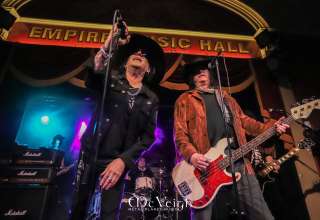
Milwaukee knows how to host a loud night, but on May 18, 2026, the Eagles Ballroom inside The Rave/Eagles Club felt less like a venue and more like a living thing: buzzing hallways, sticky floors, bass rattling through old plaster walls, strangers grinning at each other before the lights even dropped. The night brought together three bands from three very different corners of the heavy-music map: Mongolian folk-metal force The Hu, Finnish cello-metal ensemble Apocalyptica, and Finnish alt-rock veterans The Rasmus, all stacked onto a co-headlining tour built around big sound, deep feeling, and the kind of crowd participation that turns an old ballroom into one giant celebration.
That mix could have felt strange on paper: throat singing and horsehead fiddles, Metallica reimagined through cellos, gothic pop-rock hooks sharpened for a live room. Instead, it made perfect sense once the night started moving. There was weight to the music, sure, but the feeling in the room never turned hostile. This wasn’t one of those grim endurance-test metal shows where everybody stares at the stage with crossed arms waiting to be impressed.
This felt alive.
From the opening set onward, the energy kept building in waves: not violent, not cold, but explosive in the purest sense. The bands weren’t posturing. They were clearly enjoying themselves, feeding off each other and off a crowd that came ready to give everything back. By the end of the night, the entire building felt connected by the same pulse: sweat, volume, movement, and the unmistakable feeling of watching musicians completely locked into the moment.
The Rasmus: The First Spark
The Rasmus walked into a room that was still settling into itself and immediately changed the temperature.
There’s always been something cinematic about their music: emotional without becoming fragile, dramatic without losing grit, and live, those songs opened up even wider. The crowd leaned in quickly. People still finding their spots during the early moments suddenly found themselves singing along, moving closer to the stage, pulled in by hooks that felt bigger in a packed room than they ever could through headphones.
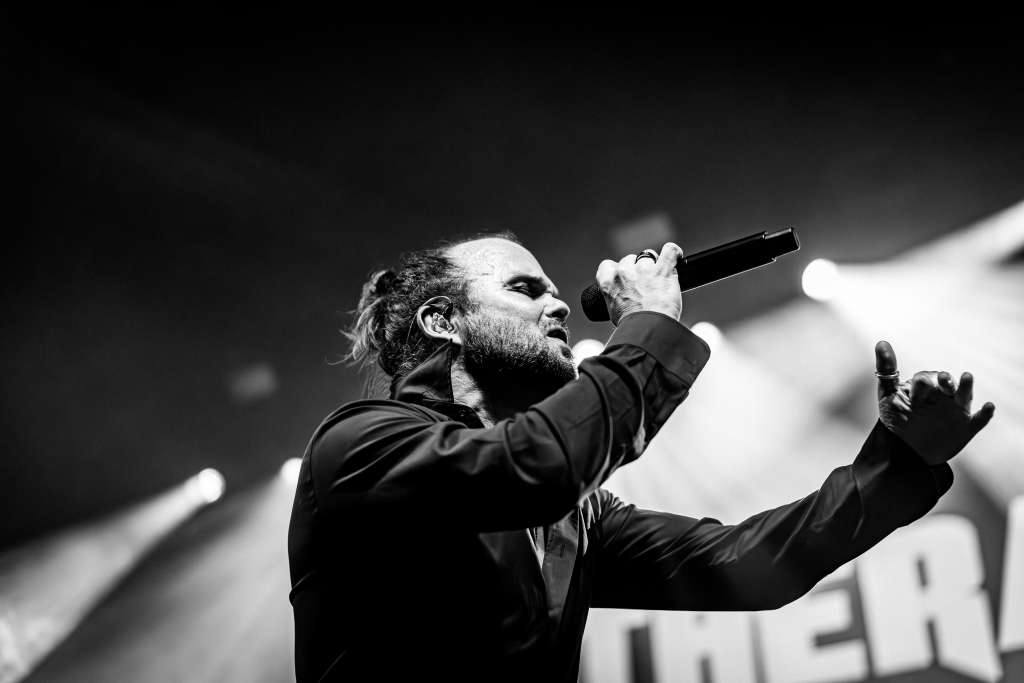
The set moved with sharp purpose, pulling from different corners of the band’s catalog without losing momentum. “Break These Chains” gave the room its first real jolt, all tension and release, while “Guilty” brought that familiar shadowy shimmer that longtime fans knew immediately. “Rest in Pieces” and “Creatures of Chaos” added a harder modern bite, giving the performance a little fresh blood in the gears, and “Livin’ in a World Without You” turned the floor into a dark-pop singalong before “In the Shadows” cracked the place open completely. By then, the crowd wasn’t warming up anymore. It was fully in it.
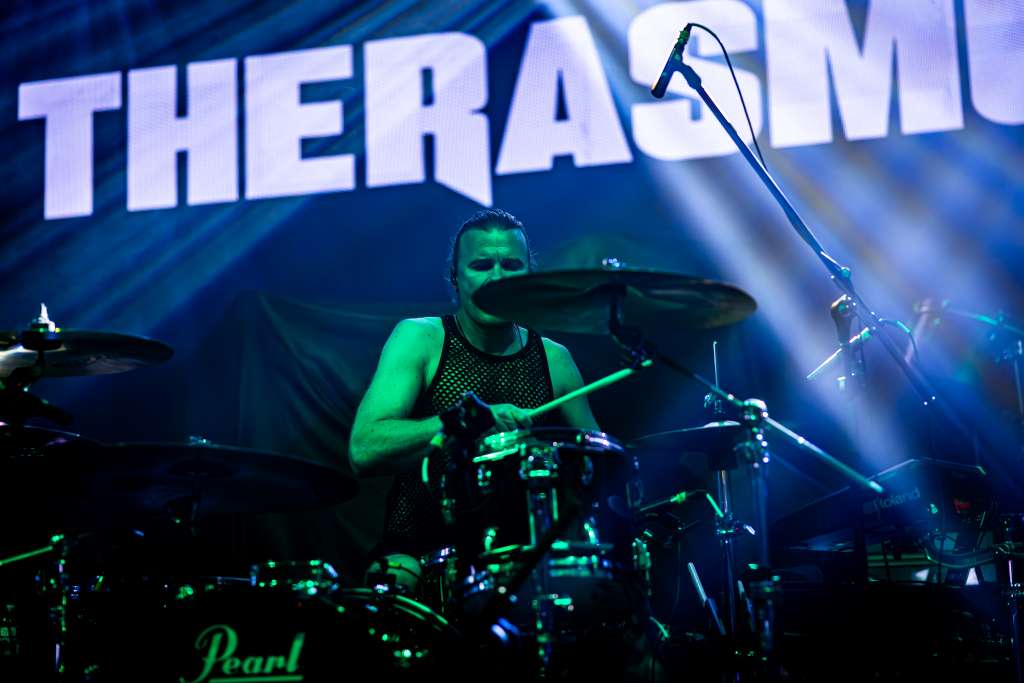
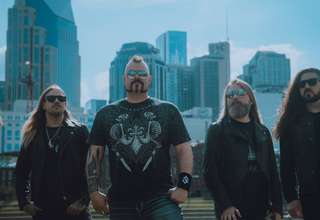
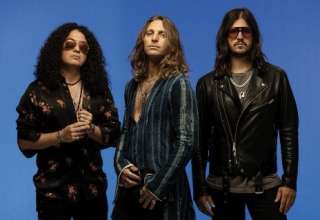
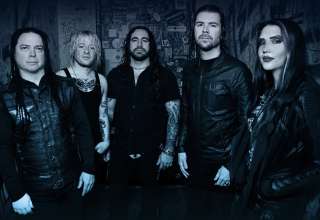
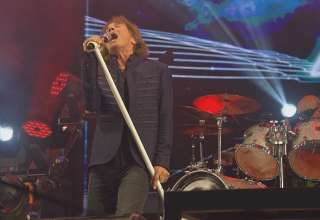
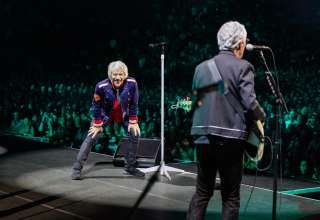
The band carried that same looseness physically. Lauri Ylönen worked the front of the stage with wiry, theatrical command, pulling the crowd toward him without overplaying the moment. Eero Heinonen’s bass gave the songs their darker pulse, steady and melodic beneath the big choruses, while Aki Hakala kept everything moving with crisp, unfussy force from behind the kit. Emilia “Emppu” Suhonen brought bite and brightness on guitar, giving the songs extra lift when the hooks opened up and the room started singing back.
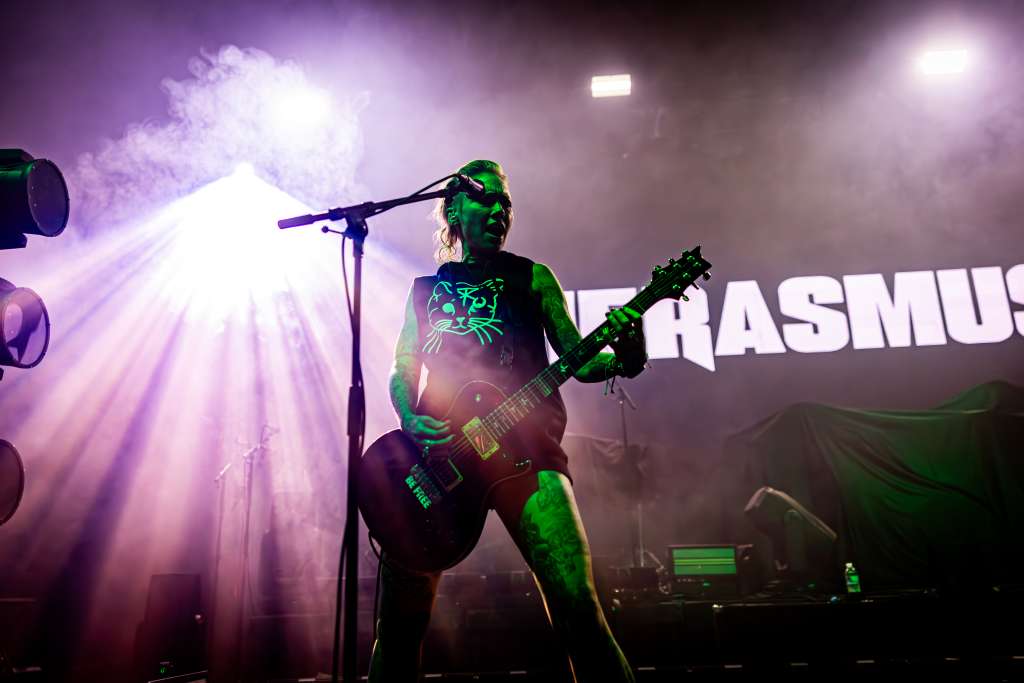
What stood out most was how loose and energized the band seemed. There was no sense of obligation or routine in the performance. Smiles flashed between songs. Movements across the stage felt instinctive instead of choreographed. The atmosphere became contagious fast.
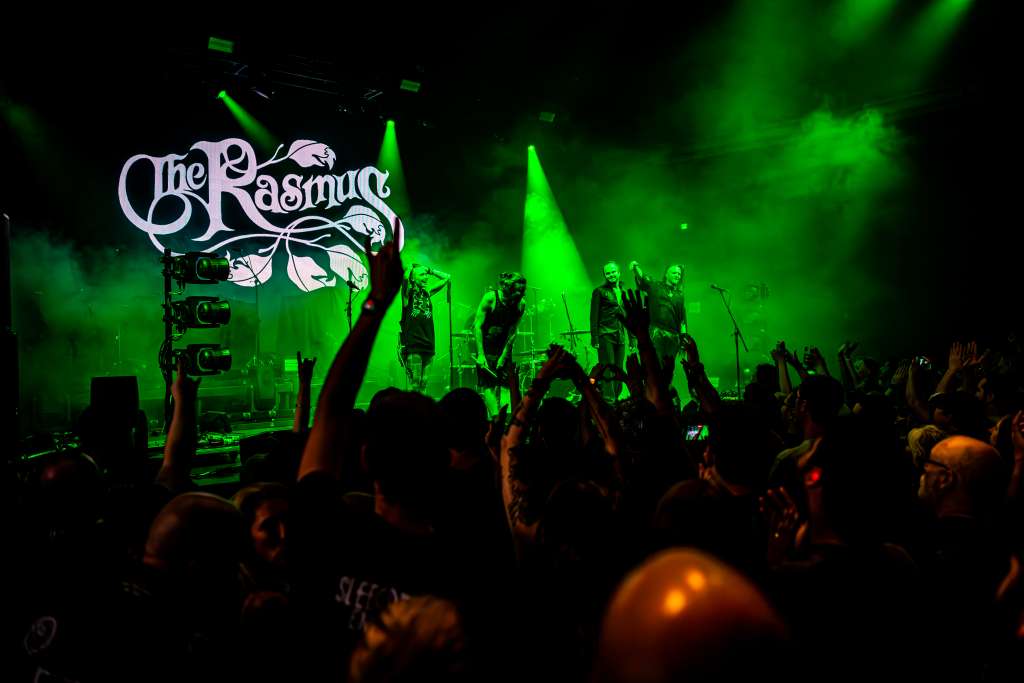
The Rasmus didn’t play like a band easing the night in. They hit the stage with total conviction, and the crowd responded with the same energy. Fists were up, voices were louder, and the old ballroom at The Rave had fully come alive.
The songs carried emotion, but the room carried joy.
Apocalyptica: Metallica Through Wood and Wire
Watching Apocalyptica perform is watching discipline collide with absolute freedom.
The visual alone was enough to pull people forward: cellos under stage lights, musicians moving with the energy of a rock band while carrying instruments usually associated with concert halls and quiet audiences. But any sense of novelty disappeared seconds after they started playing. What took over instead was momentum.
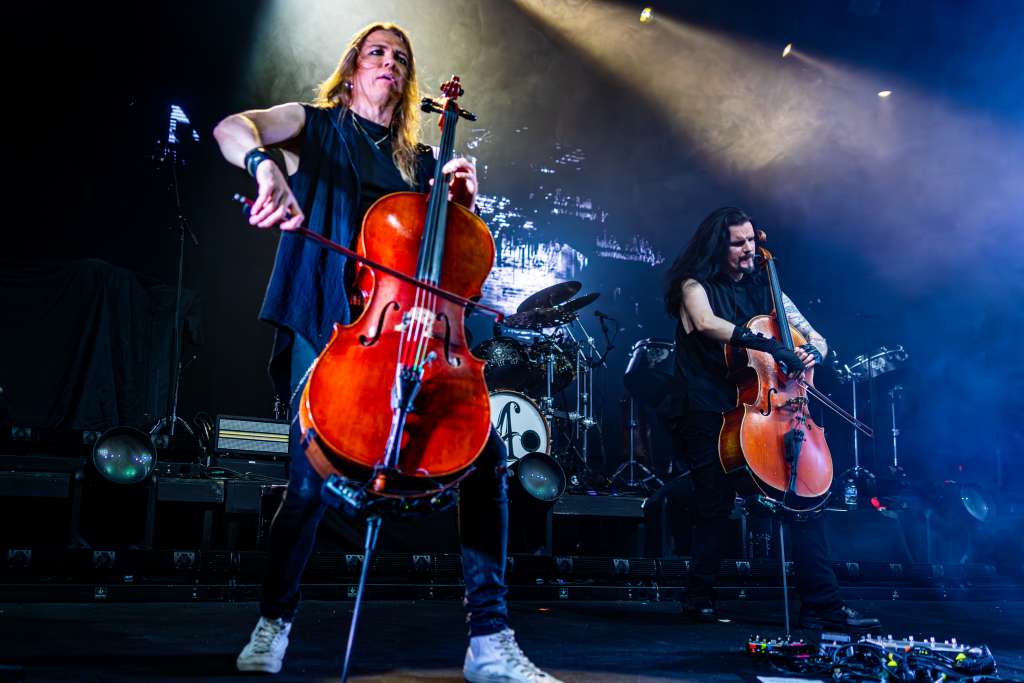
This wasn’t just an Apocalyptica set. It was a full-scale celebration of Metallica, with the band tearing through a set built entirely around Metallica covers that transformed The Rave into one giant choir. The second recognizable melodies hit the room, the crowd took over instinctively. Thousands of voices filled every gap between the cellos, shouting lyrics back toward the stage with the kind of force usually reserved for headliners.
That dynamic changed everything about the atmosphere. It stopped feeling like just another stop on a shared bill and started feeling like a communal event. Every song became shared territory: people throwing arms around strangers, screaming choruses toward the ceiling, laughing between lines when entire sections of the room accidentally outran the beat trying to sing louder than the PA.
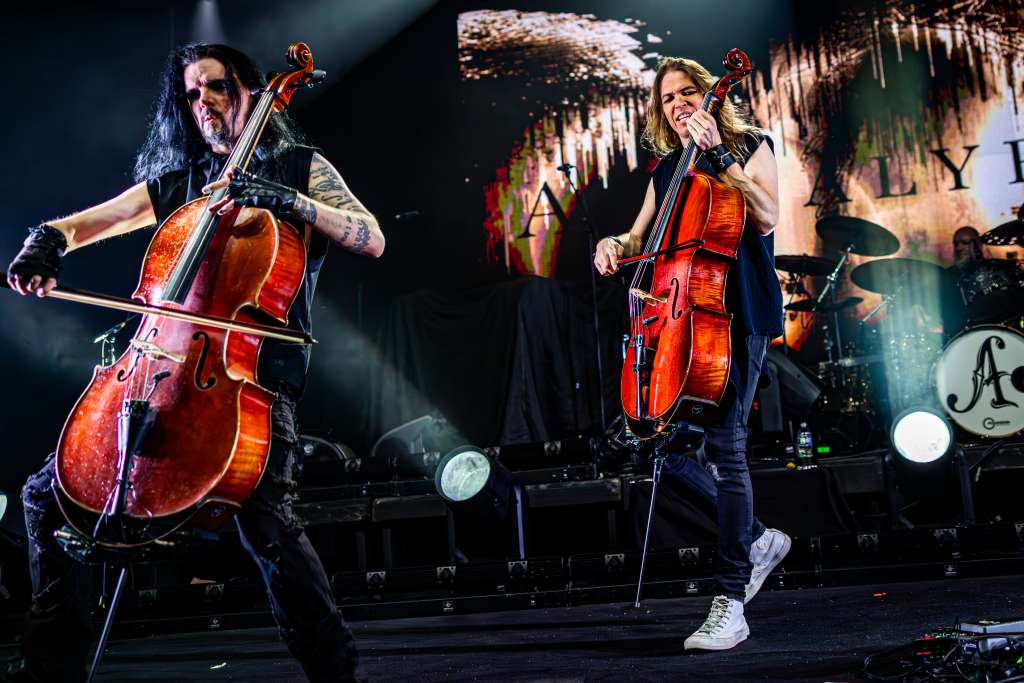
And onstage, the band looked like they were having the absolute time of their lives.
The setlist gave the room plenty to grab onto, pulling hard from Metallica’s most recognizable nerve endings without treating them like museum pieces. “Enter Sandman” became an early full-room ignition point, the kind of riff that needs only a few notes before strangers start yelling together. “Creeping Death” brought heavier teeth, while “For Whom the Bell Tolls” let the cellos lean into that ominous, tolling grandeur that Apocalyptica does so well. “Master of Puppets” turned technical precision into pure crowd electricity, and “Nothing Else Matters” gave the night one of its biggest emotional swells before “Seek & Destroy” sent the room back into chant mode.
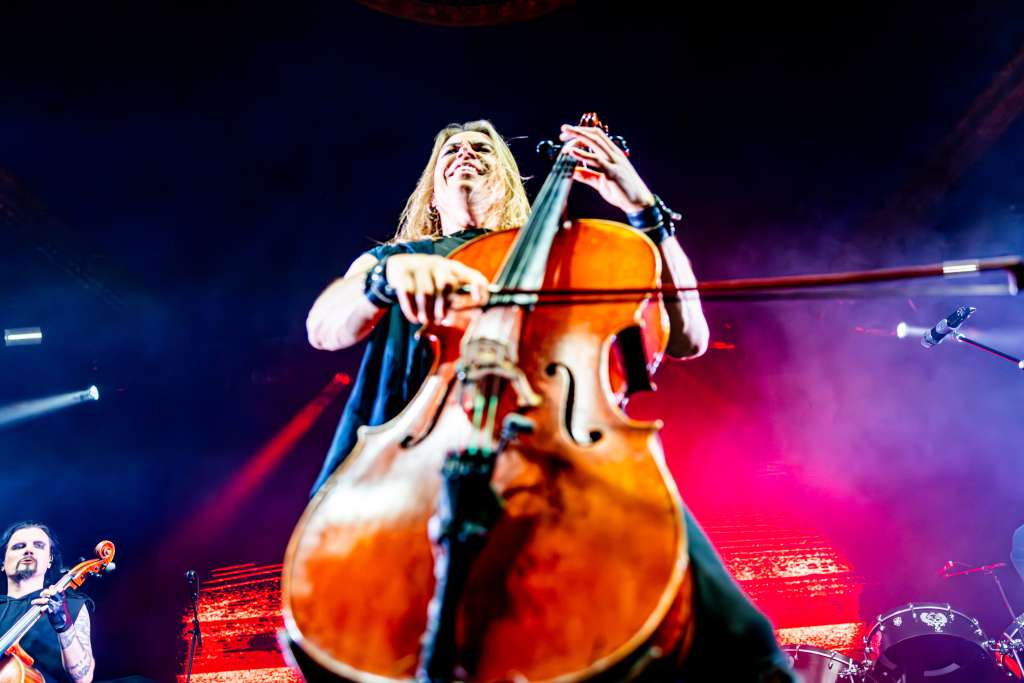
Cellist Eicca Toppinen carried the loose, magnetic energy of someone conducting organized chaos. One moment he was locked into razor-sharp precision, the next he was grinning across the stage as the crowd sang entire sections for the band. There was no wall between performer and audience. He played directly into the room’s energy and let it bounce right back.
Beside him, Perttu Kivilaakso brought a more theatrical kind of movement, leaning fully into the emotional weight of the melodies while still attacking the instrument like it owed him something. His stage presence gave the set much of its visual sweep, balancing elegance with pure rock-show abandon.
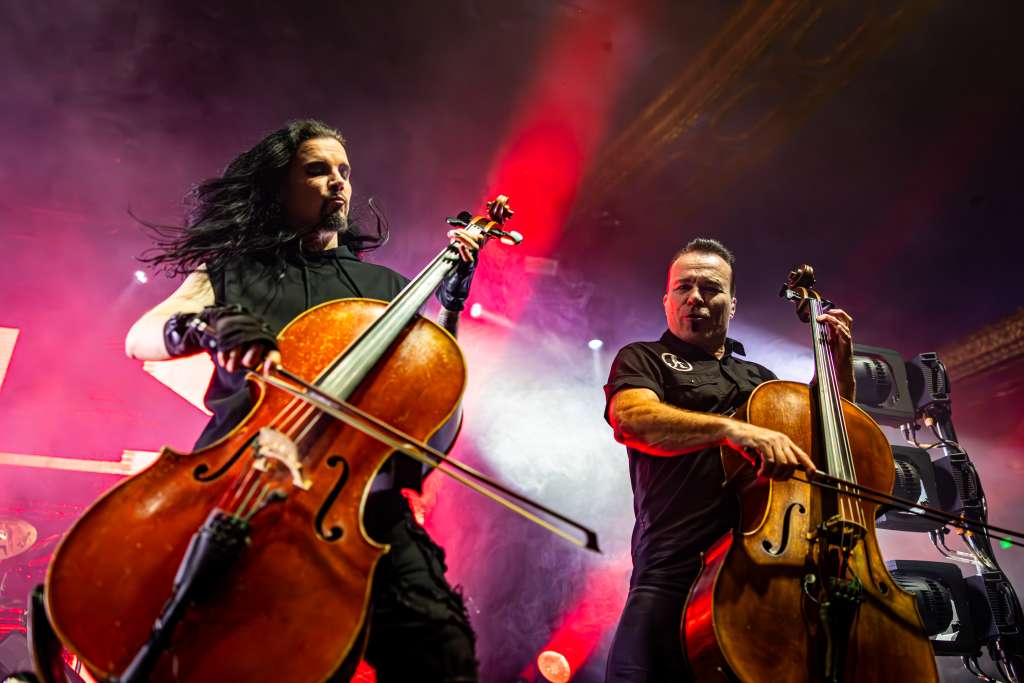
Paavo Lötjönen anchored the performance with calm confidence, locking down the low end while the chaos unfolded around him. Even in quieter moments between crescendos, his presence kept the songs grounded and massive, giving the performance its heartbeat underneath all the movement.
Behind them, Mikko Sirén pushed the entire thing forward with relentless energy. His drumming never felt clinical or overly polished. It felt alive, reactive, feeding directly off the crowd noise that kept swelling louder with every song.
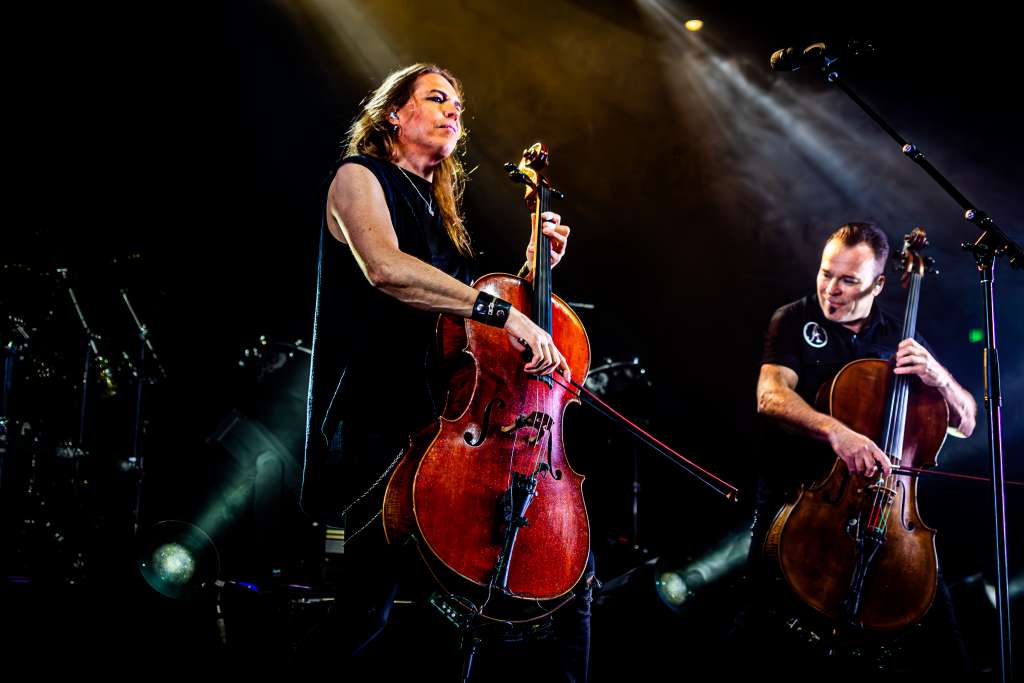
What made the set work so well wasn’t just technical ability. It was how clearly the band enjoyed playing together. They weren’t preserving classic songs behind glass. They were celebrating them with the crowd in real time, and that joy became contagious almost immediately.
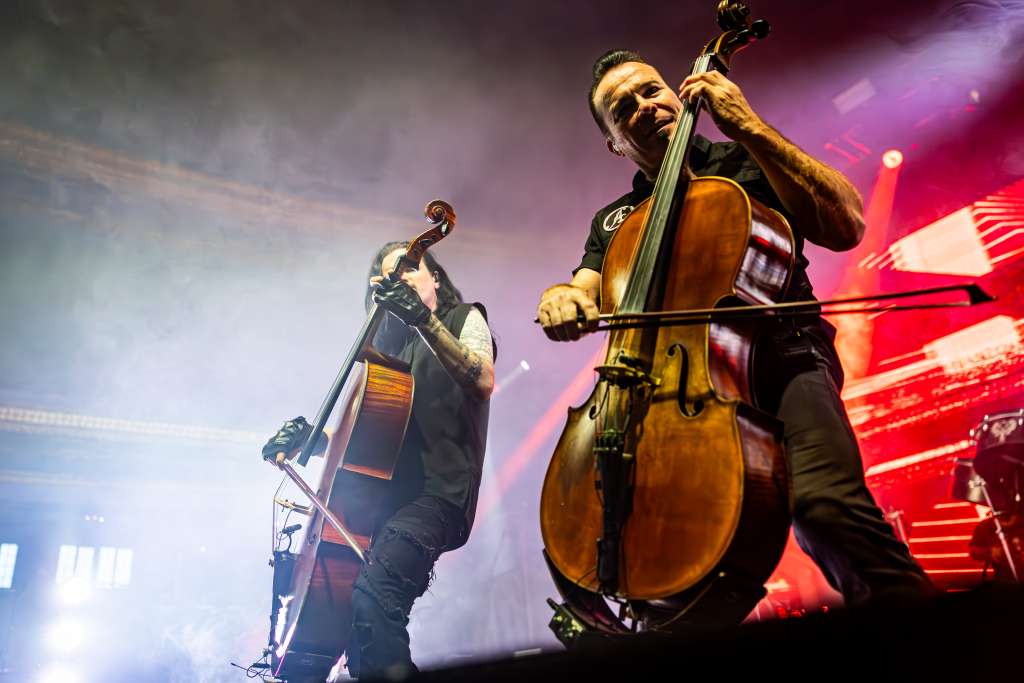
By the end of the set, the room wasn’t just cheering for Apocalyptica. It was cheering for the feeling they created: thousands of people packed into an old Milwaukee ballroom, screaming Metallica lyrics while a group of classically trained musicians turned them into something massive, emotional, and completely alive.
The HU: Mongolian Thunder, Milwaukee Joy
Some bands dominate a stage through intimidation. The Hu did it through sheer presence and joy.
The reaction when they emerged was immediate: not tense anticipation, but eruption. The crowd had been building toward this moment all night, and the second the first sounds rolled across the venue, the entire floor seemed to move at once. Phones lifted briefly, then disappeared as people gave themselves over to the experience happening in front of them.
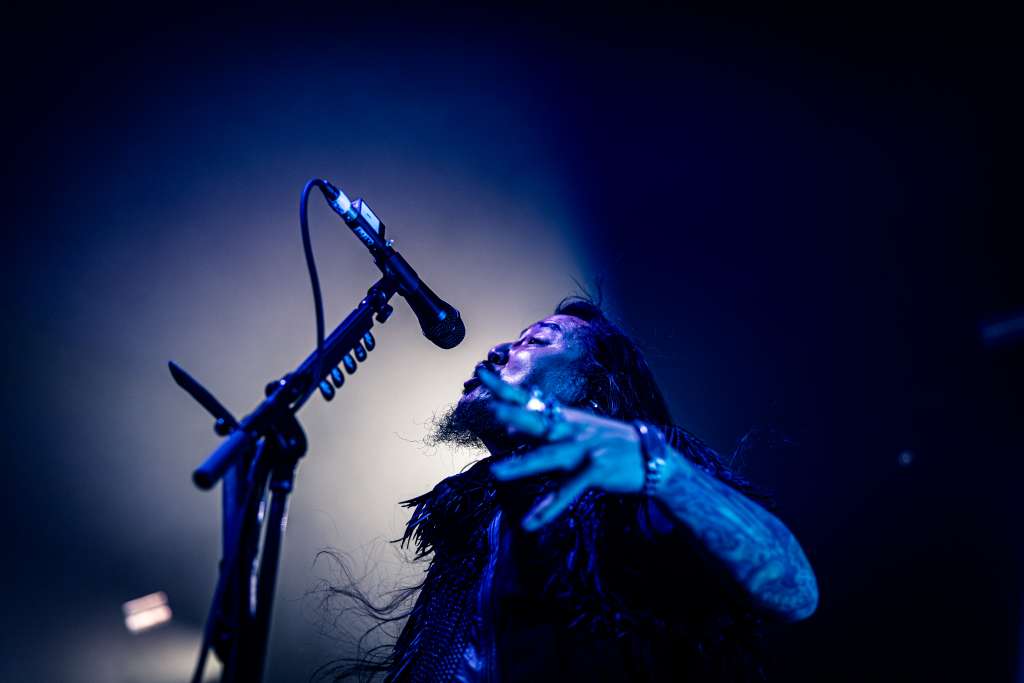
Live, The Hu feel enormous without feeling distant. Their sound still carries that unmistakable weight: deep throat singing, pounding rhythms, traditional instrumentation woven into thick modern rock dynamics, but what really transformed the room was the spirit behind it. Every member onstage looked completely invested, not just in the performance itself, but in sharing it with the crowd.
There was movement everywhere. Band members crossing the stage with huge energy. Crowd chants bouncing back toward the stage. Fans locking arms, dancing, shouting lyrics, raising drinks into the lights. The entire venue moved less like separate pockets of people and more like one massive living current.
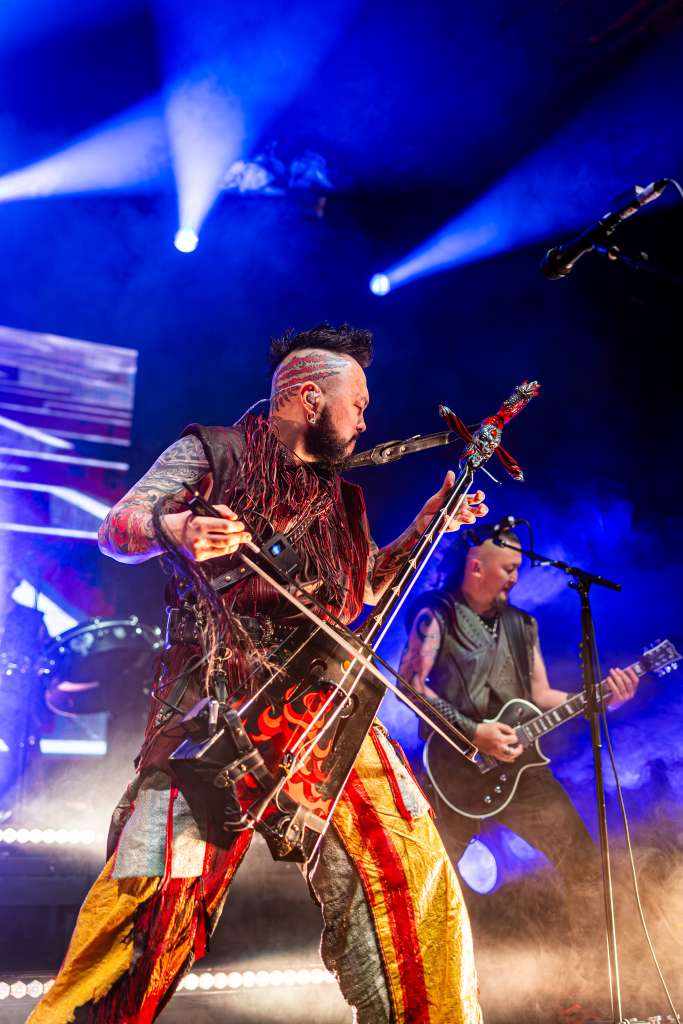
The setlist pushed that feeling wider, moving from chant-heavy eruptions into moments that felt almost cinematic in scale. “Wolf Totem” turned the floor into a stomping, shouting mass, while “Yuve Yuve Yu” had the room answering back like the walls had learned the words. “Black Thunder” dragged a heavier shadow across the set, all low-end rumble and gathering force, and “This Is Mongol” felt less like a song than a declaration thrown from the stage into the crowd. The wild-card spark came with their cover of Iron Maiden’s “The Trooper,” which landed beautifully at the end of the set: that familiar gallop reborn through Mongolian instrumentation and throat-sung force, classic metal armor hammered into a different shape.
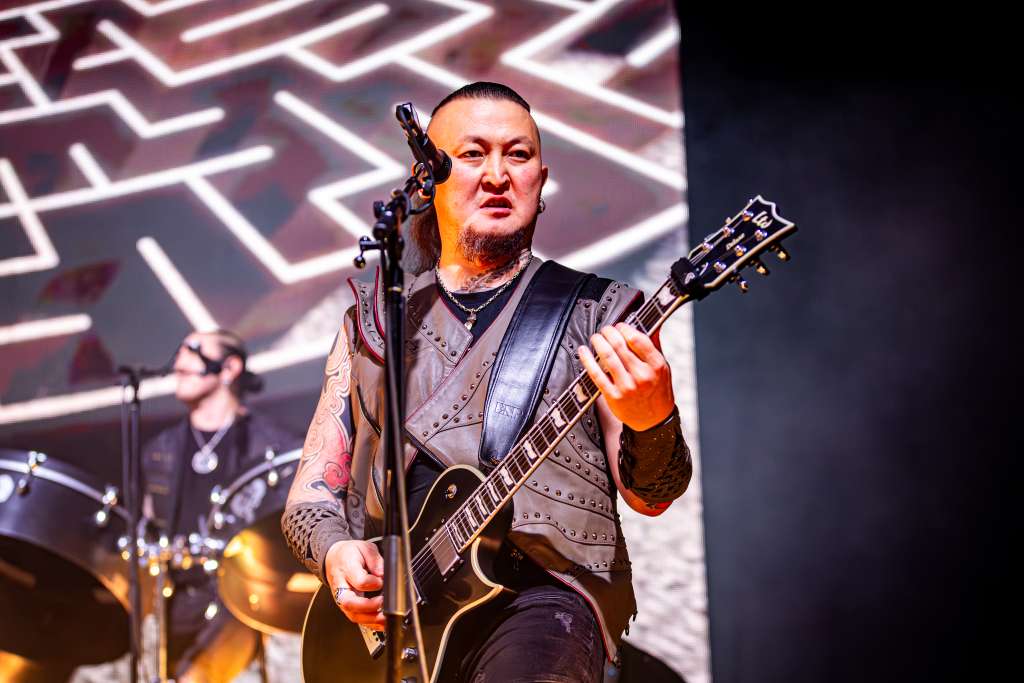
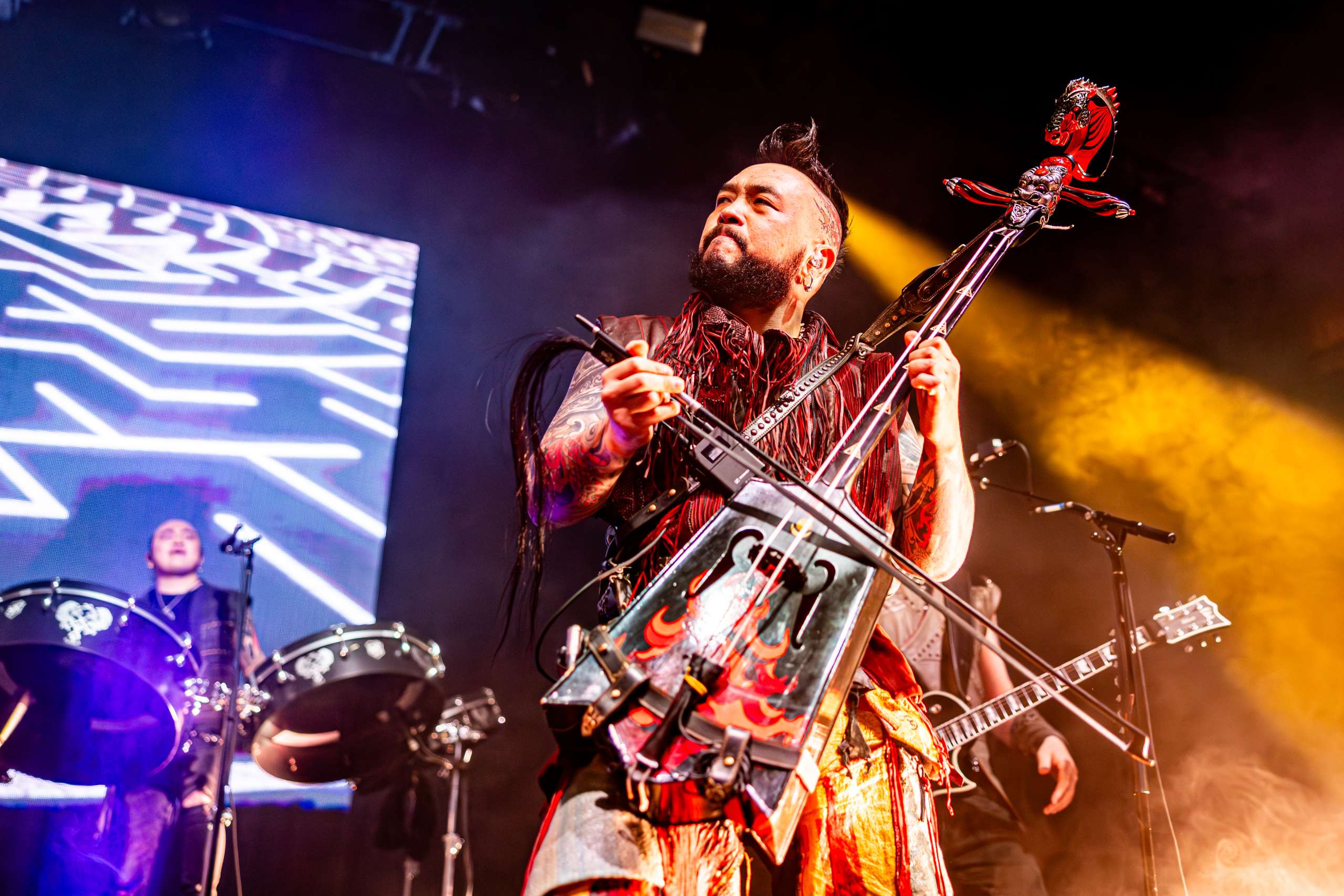
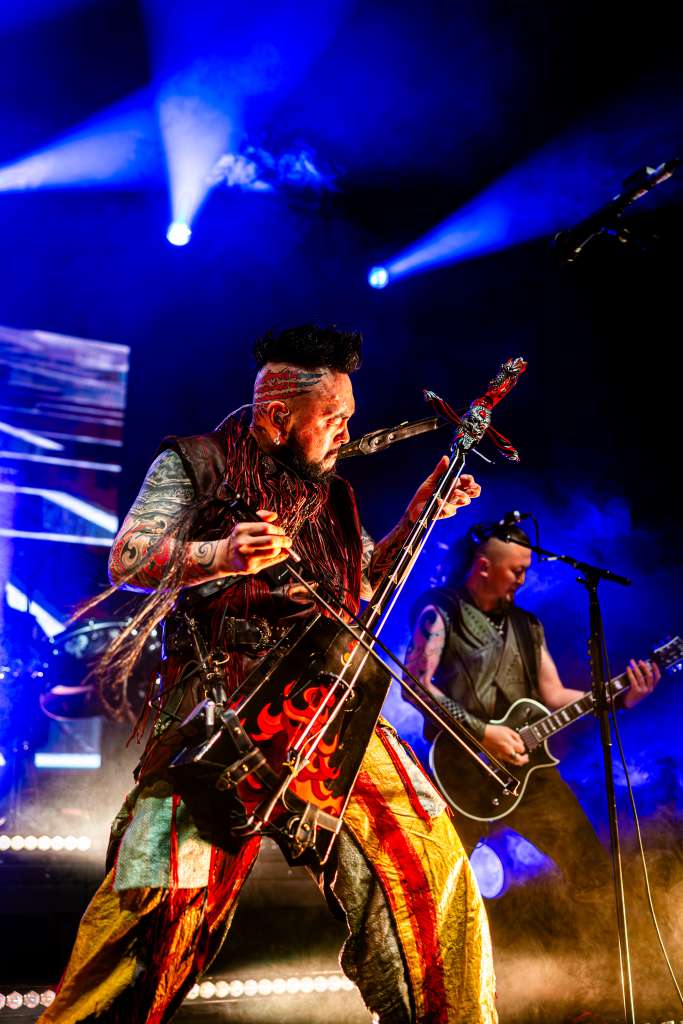
The core members gave that sound its human shape, each one adding a different kind of force to the storm. Galbadrakh “Gala” Tsendbaatar stood near the center of it with morin khuur (horsehead fiddle) and throat singing that seemed to rise from somewhere below the floorboards, his voice carrying the low, ancient weight that makes The Hu feel so massive in a live room. Nyamjantsan “Jaya” Galsanjamts brought a wilder texture through tumur hhuur (Jaw harp), tsuur (end-blown flute), and voice, adding sharp bends, breath, and metallic edges to the band’s sound while moving with the confidence of someone fully locked into the ritual. Enkhsaikhan “Enkush” Batjargal added another deep current on morin khuur (horsehead fiddle) and vocals, thickening the harmonies until they felt almost physical, the kind of sound you could feel in your chest before your ears caught up.
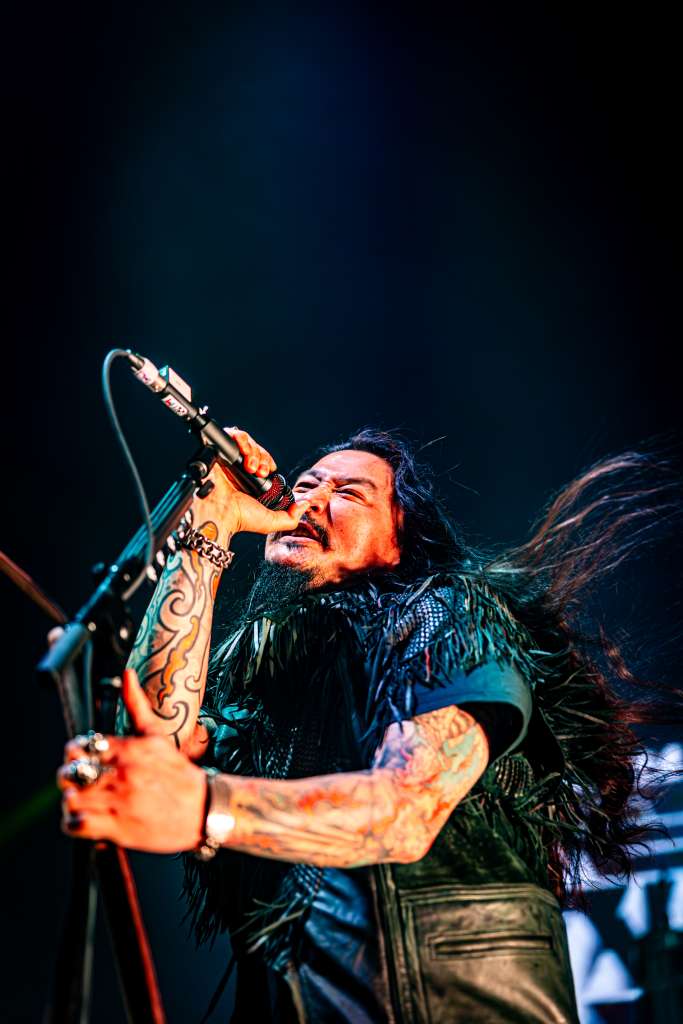
Temuulen “Temka” Naranbaatar’s tovshuur (Mongolian lute) cut through with a percussive snap, giving the songs a charging pulse that kept the heavier moments from ever becoming static. Around them, the touring players helped push the performance into full rock-show territory, adding drums, bass, guitar, and backing force without sanding down what makes the band singular. Together, they didn’t just perform the material. They made it feel inhabited, lived-in, and carried forward with purpose.
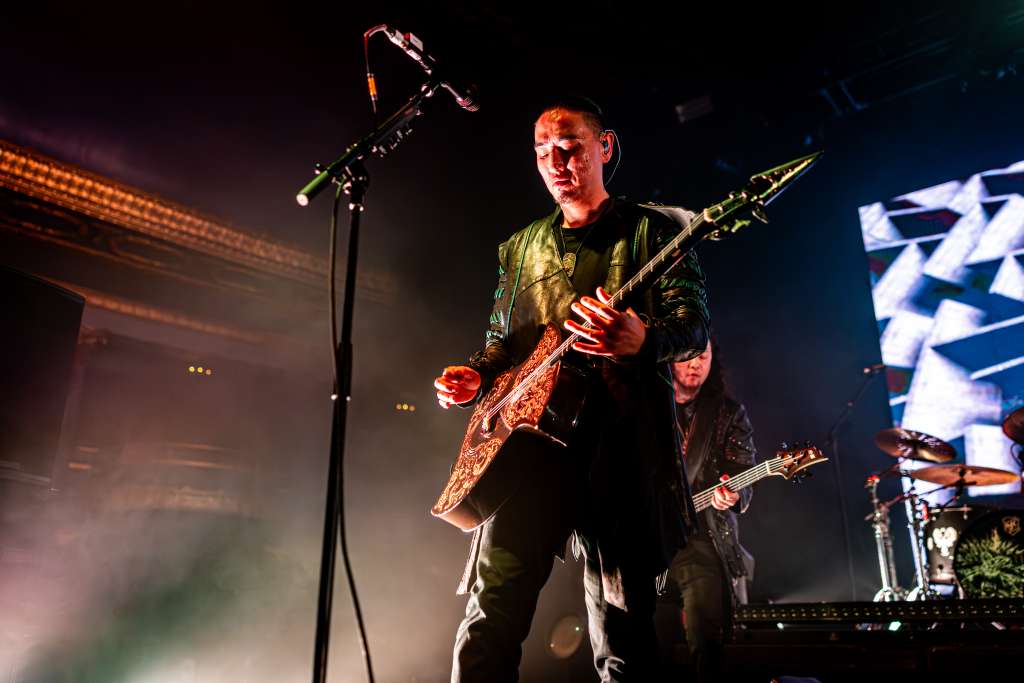
What made the performance land so hard emotionally was the balance inside it. The Hu’s music carries history and cultural identity proudly, but nothing about the show felt rigid or ceremonial. It felt welcoming. Expansive. Alive. The band projected the kind of chemistry that turns a concert from a performance into a shared event.
And as the set grew bigger and louder, the room somehow became warmer too.
By the final stretch, nobody looked drained. They looked lit up. Faces sweaty and smiling, people screaming themselves hoarse between songs, security guards grinning along with the crowd near barricade lines. Even after the last notes faded, nobody seemed eager to leave.
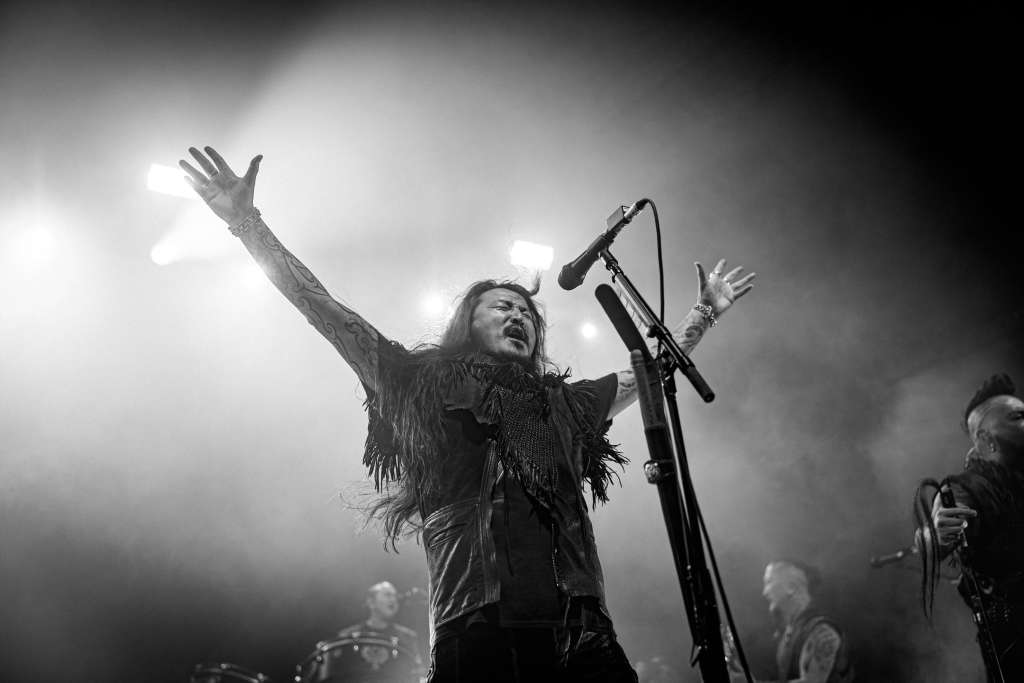
What made the night work was not just volume, novelty, or the easy thrill of a stacked bill. It was the way each band found a different route to the same release. The Rasmus opened the doors with melody and melancholy, turning dark hooks into something communal. Apocalyptica took songs carved into heavy metal’s collective memory and rebuilt them with wood, strings, sweat, and grins. The Hu closed the night by making the room feel ancient and immediate at the same time, all rhythm and chant and bodies moving together.
Nothing about it felt forced. The seams between the bands never became cracks. Instead, the night kept widening: from gothic singalong, to cello-driven Metallica communion, to a final set that made the Eagles Ballroom feel less like a room with a stage and more like a single breathing organism. Iron lights overhead. Open throats below. Everybody throwing something into the air and getting something back.
Outside The Rave, Milwaukee’s night air hit cool against overheated skin while clusters of fans lingered beneath the marquee, replaying moments back to each other with the kind of excitement that only comes after a truly satisfying show.