Review by Nathan Vestal for MPM
I went to see Buddy Guy to say goodbye.
That was the unspoken promise of the evening—the “Damn Right Farewell” tour wasn’t just another aging blues legend making one last lap around the circuit. It was a celebration, a reckoning, and yes, a long, slow curtain call. But what happened Friday night at the Coronado Theater in Rockford, Illinois, was something more. Something raw. Something alive.
Before the fire came the fuel. And Ronnie Baker Brooks, son of the late bluesman Lonnie Brooks, poured it all over the stage.
Now let me be honest: too often in legacy shows, the opener feels like an obligation, a box checked a warm-up act before the main event. But Ronnie? Ronnie Baker Brooks came out like a man with a mission—and something personal to prove. And he didn’t just earn the stage—he commanded it.
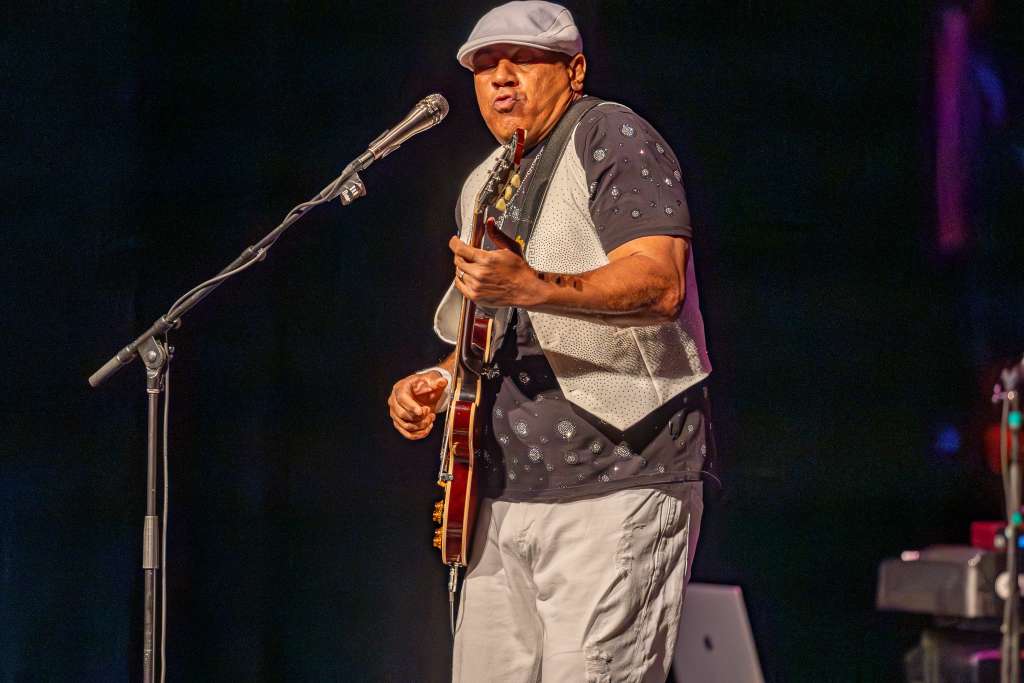
From the first riff, there was no doubt: this was a bluesman in full bloom. He brought the swagger of Chicago’s West Side, the soul of Memphis, and just enough grit to remind you that blues isn’t supposed to be polite, it’s supposed to feel like something. His voice, warm and worn in just the right way, moved effortlessly between the conversational and pleading vocals. The crowd, still filtering in, found themselves suddenly leaning forward.
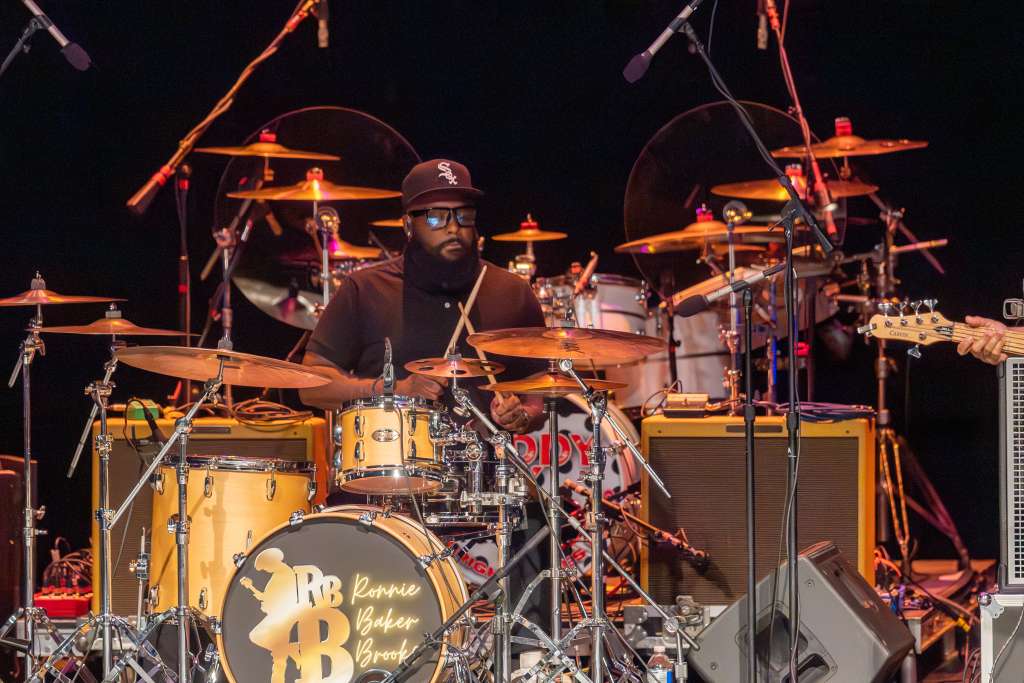
There was something generational about it, too. Here’s a man who grew upside-stage while his father played next to Buddy Guy, Koko Taylor, and Junior Wells. Ronnie wasn’t copying the tradition—he was raised by it. You could hear it in the way he let silence ride between notes, how he didn’t try to impress you so much as invite you in.
When he launched into “Blues In My DNA,” it struck a nerve. There was resignation in the lyrics, sure—but also resilience. It felt like an anthem not just for aging musicians, but for anyone still carrying the weight of where they’ve been. “I play these blues because I lived ’em,” he said before the next song. And nobody doubted that for a second.
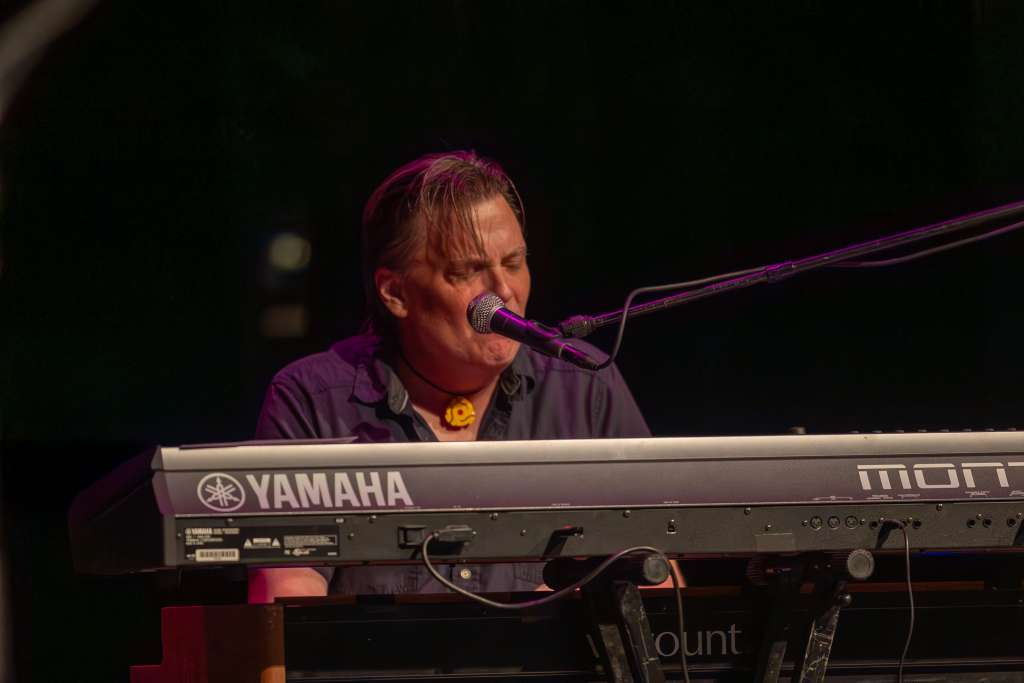
There was also joy—big, infectious joy. Ronnie cracked jokes between songs, hollered at folks in the front row, and smiled that kind of smile that only comes from playing exactly where you’re supposed to be. He riffed and roamed through originals and homages, tipping his cap to his father, to Albert King, and to his host and mentor, Mr. Buddy Guy himself.
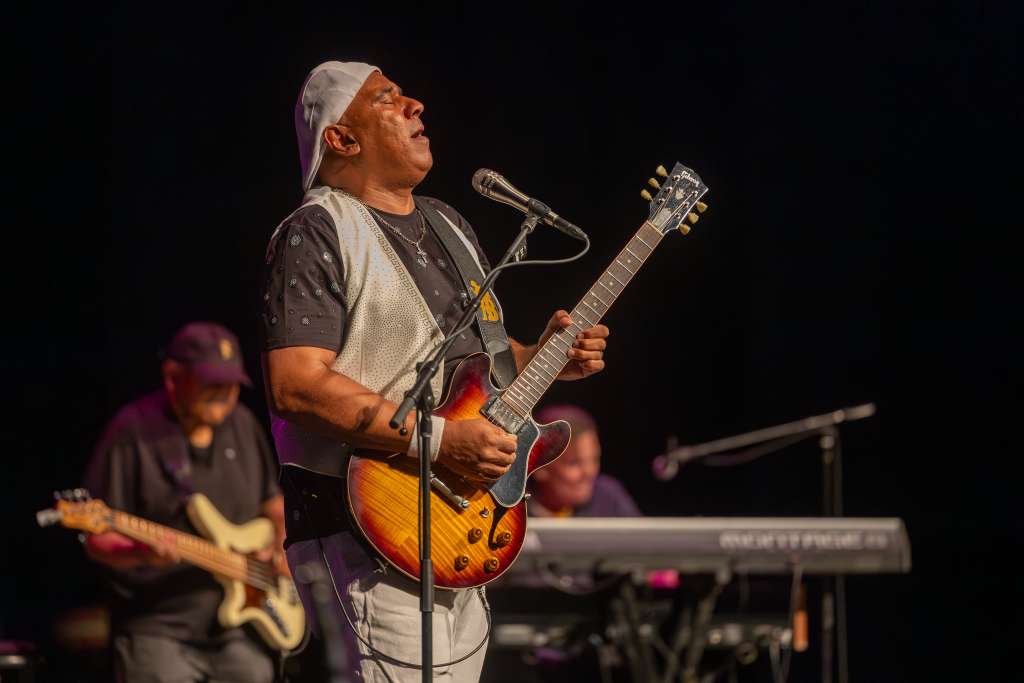
By the end of his set, the room felt tuned in, grounded, ready. Ronnie didn’t just warm up the audience. He set the emotional tone. The blues isn’t just about the headliner—it’s a lineage, and watching Ronnie that night, you saw the next chapter being written. It wasn’t a passing of the torch; it was a reminder that the fire’s still burning, even when it changes hands.
Then came Buddy Guy.
And he lit that fire like only he can.
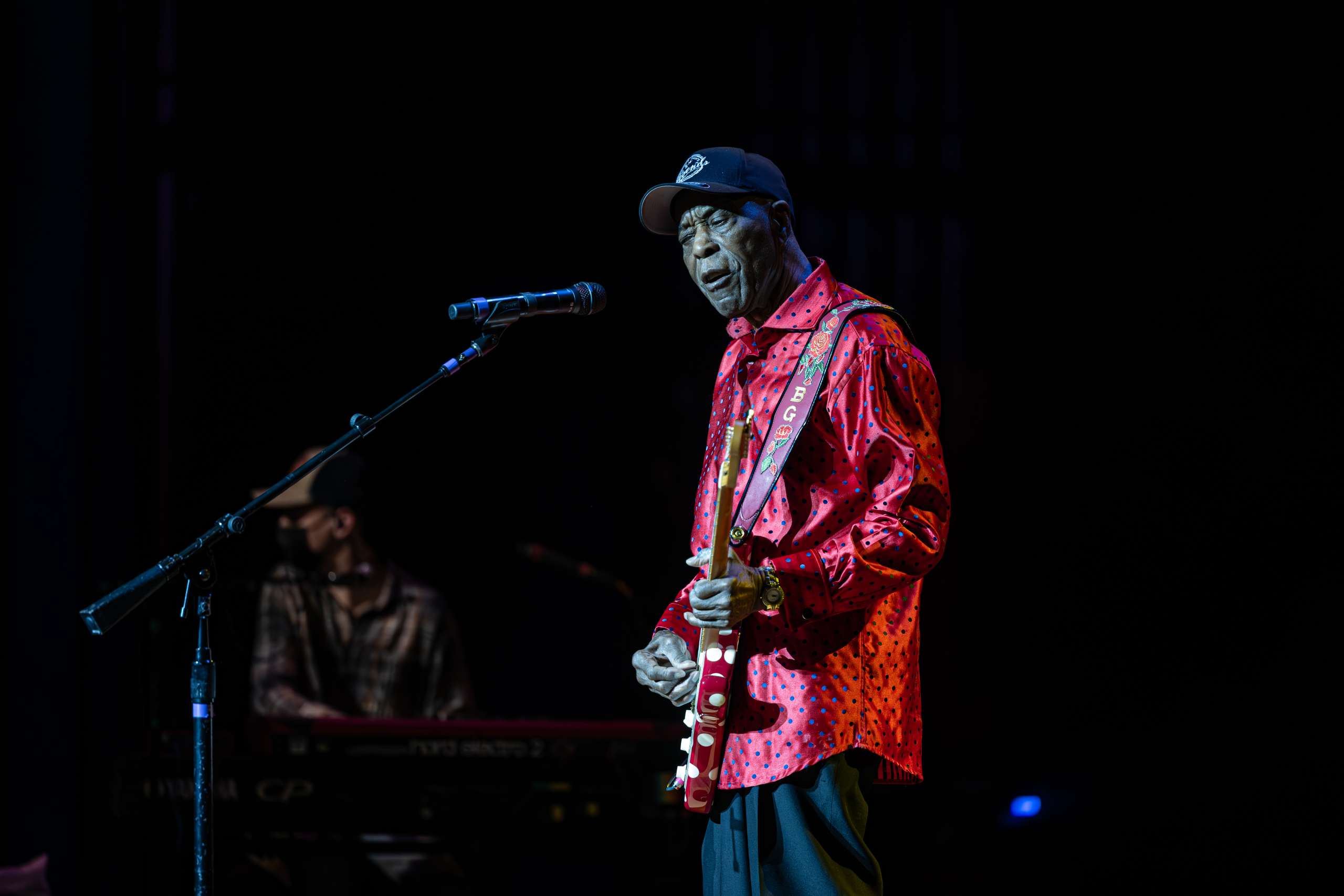
When Buddy Guy finally stepped onstage—mid-stride, in his signature polka dots, guitar already slung like an old friend—it was less an entrance and more a presence. A hush fell, not out of reverence, but anticipation. What would an 88-year-old blues god do now?
He grinned. And then he set the damn place on fire.
Let me be clear: Buddy Guy doesn’t “still have it.” That phrase is far too faint. He never lostit. He’s not a nostalgia act. He’s not here to remember, he’s here to remind you. His guitar tone? Still screaming. His phrasing? Still unpredictable, full of humor and fury, like a man playing tricks on time itself. He veered between Muddy Waters, Jimi Hendrix, and his own storied catalog as if genres were just moods, not boundaries.
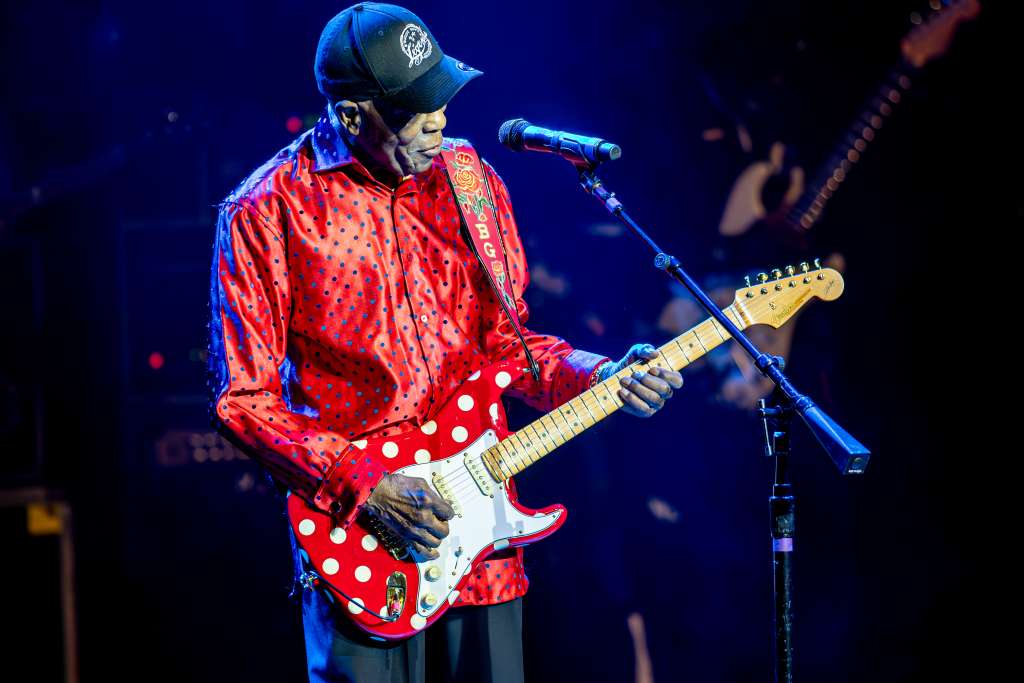
But the real electricity wasn’t in the solos. It was in the space between them. He cracked jokes. He cursed. He wandered into the crowd, brushing past stunned fans like a prophet in a nightclub. He told stories that began as rambling and ended as sermons. And when he launched into “Fever,” there was a moment—a long, shared inhale—when everyone in the room forgot where they were and just felt.
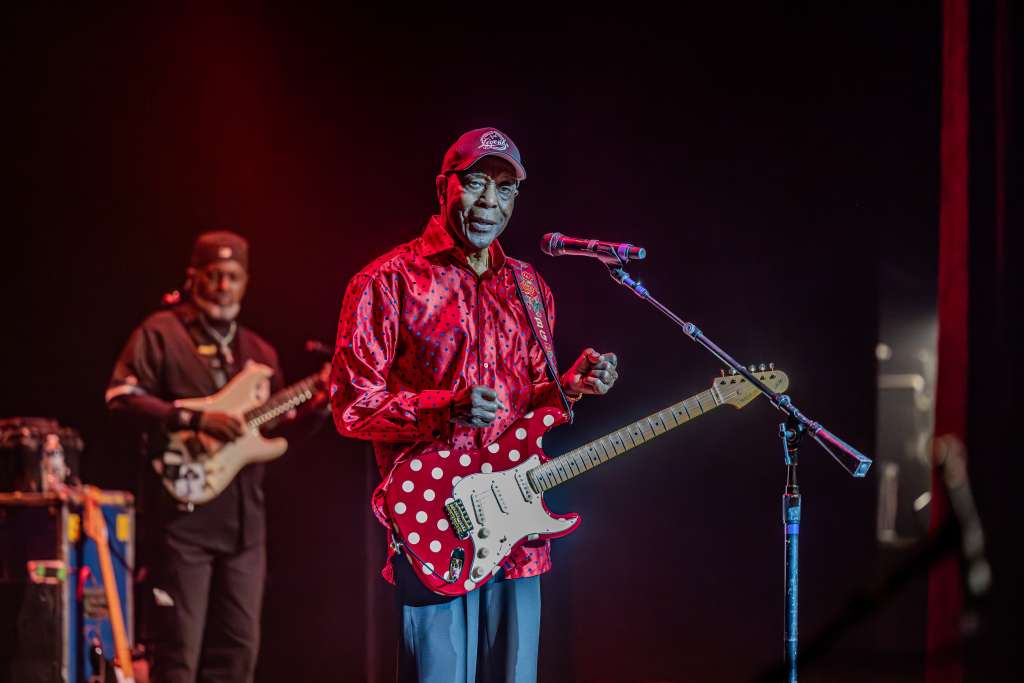
Here’s what struck me most: Buddy Guy isn’t performing the blues. He’s living it in real time. Each song wasn’t a look back, but a reckoning with the present. He played as if every note still mattered—because to him, it does.
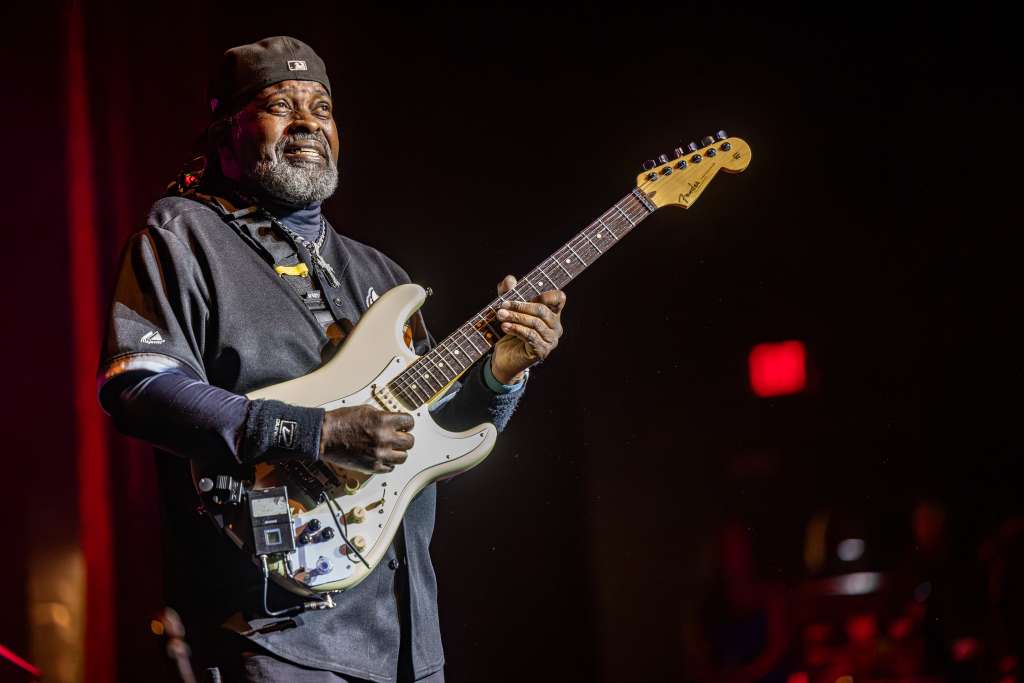
He joked at one point, “I ain’t dead yet,” and the crowd howled. But it wasn’t just a punchline. It was a challenge. It was a dare. Can you say the same? Are you living like it still matters?
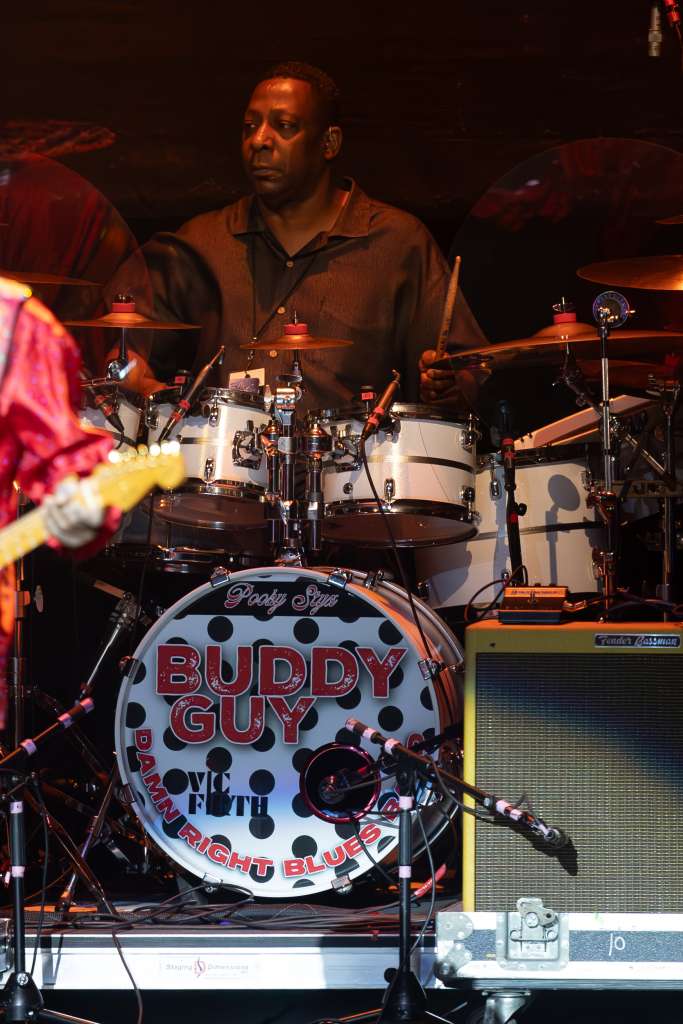
The Coronado Theater is a beautiful space—opulent, red-velvet grand, the kind of place where ghosts seem to lounge in the balcony. And for those two hours, I swear, the ghosts were dancing. How could they not? The man onstage had seen it all and played with them all—Muddy, B.B., Stevie, Clapton, damn near anyone who ever bent a note with meaning.
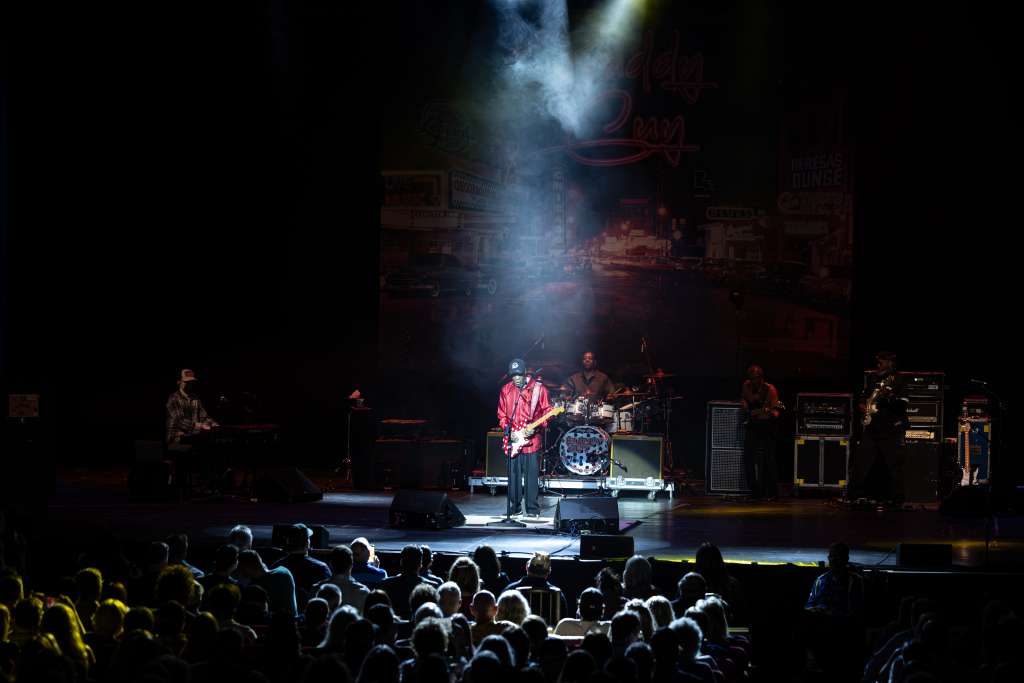
But here’s the truth I left with: Buddy Guy is not a ghost. Not yet. He is still the living, breathing, laughing, howling embodiment of what American music can be when it’s honest. And the blues, in his hands, is not a lament. It’s a celebration of surviving, outlasting of throwing your pain and joy into the crowd and watching it come back as thunder.
When he finally took his bow, smiling and sweat-soaked, the applause didn’t feel like farewell. It felt like thanks.
And as we all stood and cheered, I realized I hadn’t come to say goodbye after all.
I came to remember how good it feels to still be here.