Review & Photography by Manny Manson for MPM
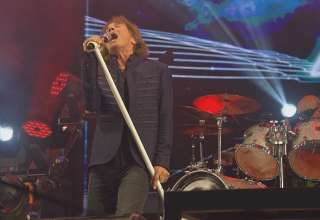
They say that some nights stay with you longer than others, and the evening of March 12th, 2026, at KK’s Steel Mill was one of those nights. From the moment I stepped into that packed metal cathedral, sweat, denim, leather, beer, and anticipation thick in the air, it was obvious the room knew exactly who it had come to see. Ronnie Romero has built a reputation the hard way: years of relentless touring, fronting bands like Lords of Black before stepping into the daunting shoes left behind by legends when he joined Rainbow for their reunion shows under Ritchie Blackmore. That moment alone placed him under a microscope, yet Romero thrived, his voice drawing inevitable comparisons to the late Ronnie James Dio. Add collaborations with Michael Schenker, stints with The Ferrymen and Elegant Weapons, and a rapidly expanding solo catalogue, and you begin to understand why a place like the Steel Mill felt ready to explode before the first note had even sounded. Tonight was extra special as KK himself would be in the house watching from the soundboard.
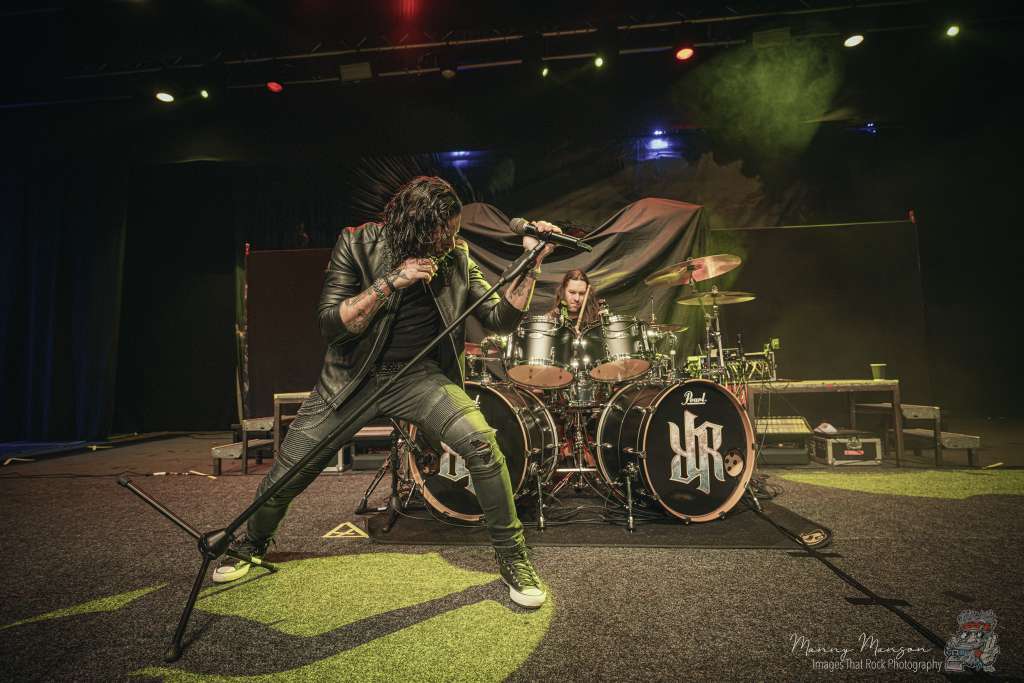
When the band finally took the stage, guitarist José Rubio, bassist Andrea Arcangeli and drummer Chris Allen locking into position around Romero, the opening punch of “Backbone” landed like a hammer. The track comes from Romero’s 2025 solo album Backbone, released on October 24th, 2025 via Frontiers Music, and it felt tailor-made for the live arena. Rubio’s guitar tone was thick and biting, every note carved out with clarity while Allen’s drums cracked through the venue like rifle shots bouncing off steel girders. Arcangeli held the centre with a bass line that rolled through the floorboards. Romero stepped into the first vocal line with that unmistakable blend of grit and soaring melodic control that has become his signature. What made the moment compelling was the sense of shared momentum between band members, Rubio throwing little melodic replies between vocal phrases, Allen punching accents exactly where the song demanded, Arcangeli tightening the groove until the entire structure felt like a single engine. By the time the chorus arrived the Steel Mill had already surrendered. Fists rose instinctively, voices shouting along, the entire room moving as if the song had rewired everyone to the same pulse.
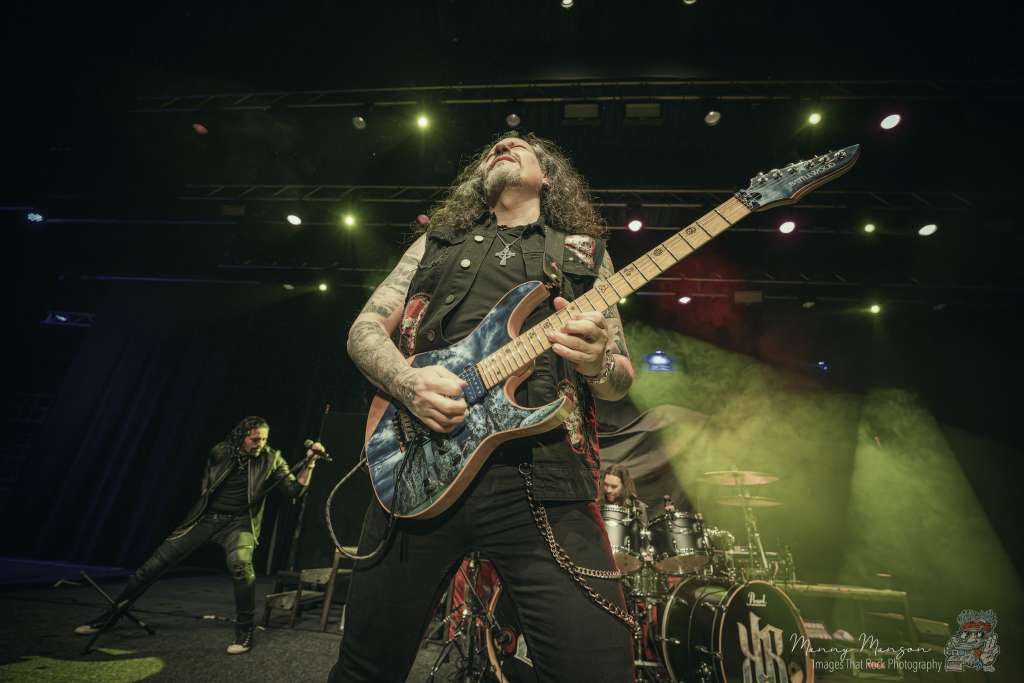
As the echoes of that towering classic faded, the band pivoted back to Romero’s own material with “Never Felt This Way,” another song drawn from the 2025 album Backbone. Rubio opened with a warm melodic progression that carried subtle blues undertones, the notes ringing clearly through the hall while Allen kept the rhythm steady and understated. Arcangeli’s bass added gentle counterpoints beneath the guitars, giving the arrangement a sense of movement without overwhelming the melody. Romero delivered the verses with surprising intimacy, almost conversational in tone, before gradually building toward a chorus that allowed his voice to expand into full power. The contrast between restraint and release made the performance particularly effective; you could feel the audience leaning in during the quieter passages and then lifting with the melody as it soared. Rubio’s guitar responses between vocal lines added a layer of colour to the arrangement, and his mid-song solo favoured lyrical phrasing over pure speed, each sustained note hanging just long enough to draw cheers from the crowd. For a moment the Steel Mill felt less like a metal venue and more like a room full of people sharing a single emotional wavelength, proof that even within the thunder of heavy music there is space for melody, warmth, and connection.
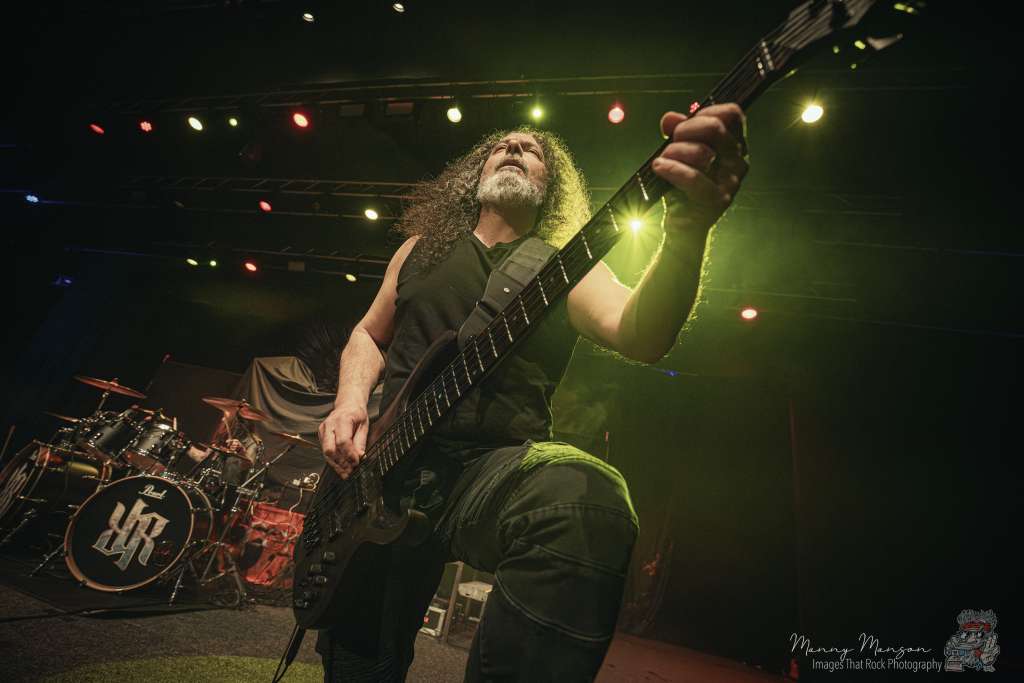
The momentum shifted slightly when “Eternally” arrived, another composition from Backbone (2025), and the Steel Mill atmosphere softened into something more expansive. Rubio introduced the track with a shimmering guitar figure that floated above Allen’s restrained rhythm, the drummer trading brute force for careful hi-hat patterns and controlled snare hits. Arcangeli’s bass lines moved melodically beneath the arrangement, weaving around the guitars instead of simply doubling them. Romero approached the vocal with deliberate restraint, allowing the verses to unfold almost conversationally before opening the throttle during the chorus. His voice rose effortlessly above the band, rich and controlled yet still carrying that gravel-edged bite that makes his performances feel grounded rather than theatrical. The crowd reacted accordingly; instead of the frantic headbanging of earlier songs, people swayed, singing along quietly, letting the melody wash through the room. Rubio’s solo during the middle section was particularly elegant, long sustained notes and expressive bends rather than a barrage of notes, each phrase delivered with patience and purpose.
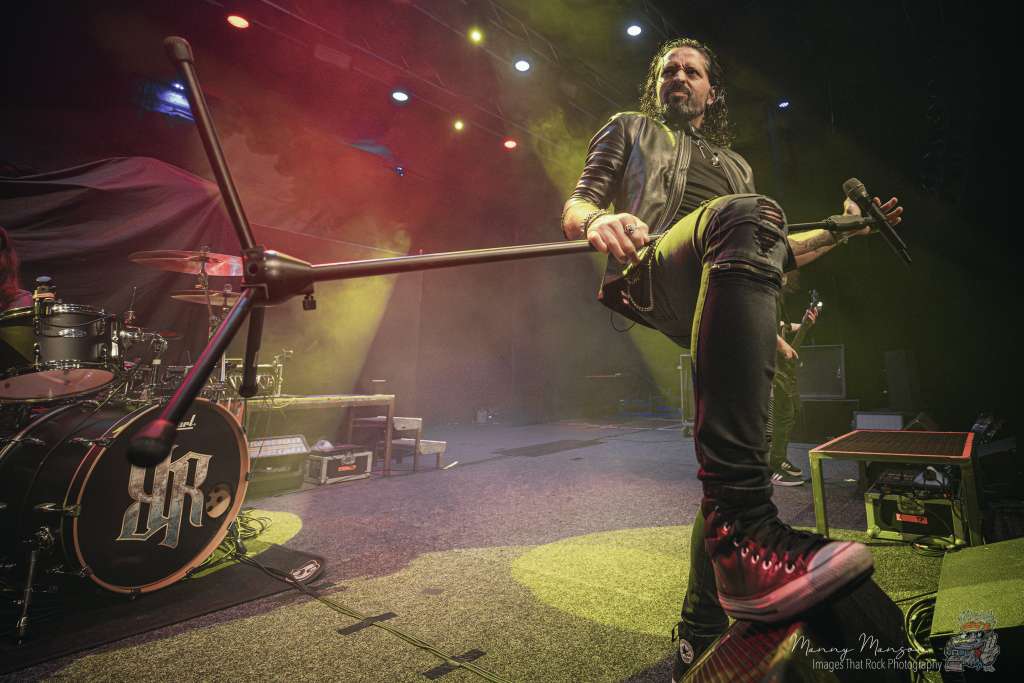
The atmosphere shifted again when the opening tension of “Stargazer” crept through the speakers. Originally released in 1976 on the album Rising by Rainbow, the track remains one of heavy metal’s most towering epics. The moment Rubio struck the famous riff a ripple of recognition surged through the crowd. Romero approached the song with deep respect for its history, delivering the opening lines with the storytelling gravitas the late Ronnie James Dio made legendary. Rubio channelled the spirit of Ritchie Blackmore’s guitar work while adding subtle touches of his own phrasing, small bends and vibrato flourishes that kept the performance alive rather than frozen in tribute. Allen handled the song’s shifting dynamics beautifully, moving from restrained passages to thunderous crashes as the arrangement swelled, while Arcangeli anchored the epic structure with a deep resonant bass pulse. Romero’s vocal during the climactic passages was extraordinary, those soaring high notes ringing across the Steel Mill with stunning clarity. When he stepped away from the microphone and gestured for the audience to sing the chorus themselves, the reaction was instant, a choir of metal voices filling the hall in a moment that felt less like a gig and more like a shared ritual.
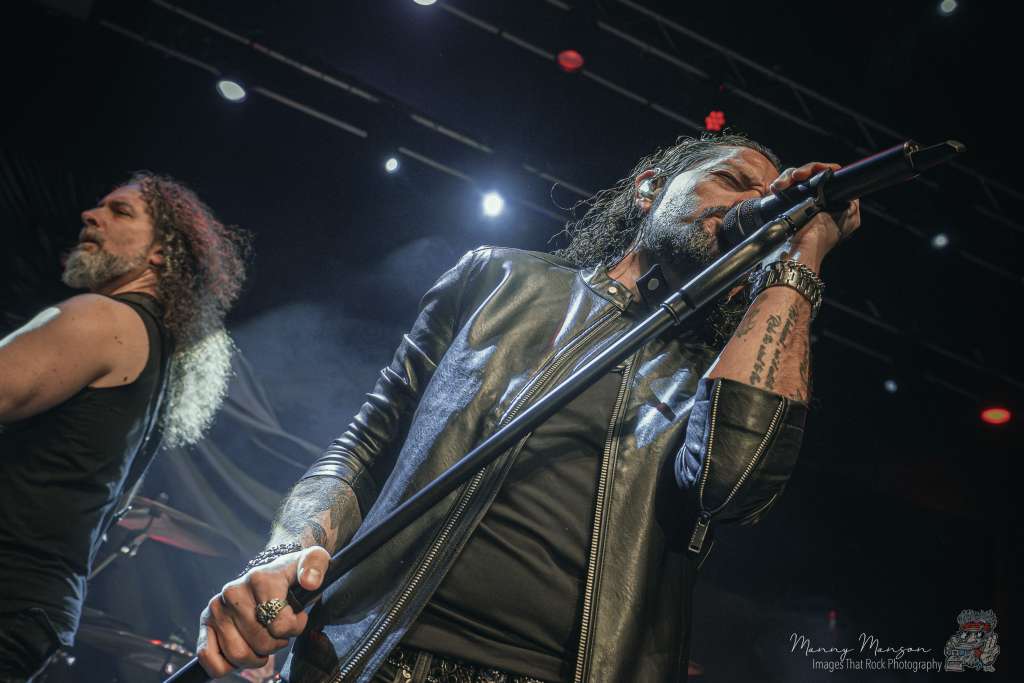
The atmosphere inside KK’s Steel Mill thickened with a darker, more muscular pulse as Ronnie Romero and his band rolled into “Black Dog.” The track comes from Romero’s 2025 album Backbone, released on October 24th, via Frontiers Music, a record that saw him celebrating the gritty spirit of classic hard rock while stamping his own authority all over the material. Live, that spirit translated into something heavier and far more visceral, the kind of groove that doesn’t simply fill a room but physically pushes against the walls of it. Rubio drove the song forward with a thick, grinding guitar tone that carried real bite, the riff cutting through the Steel Mill’s industrial acoustics with a jagged swagger. Each phrase had weight behind it, allowing the rhythm to breathe before snapping back into place with a punch. Behind him, Allen anchored everything with a powerful, deliberate drum groove that kept the track locked into a confident strut rather than a frantic sprint. Arcangeli’s bass lines curled beneath the guitars with a restless movement of their own, occasionally stepping out from the shadows with little melodic turns that gave the arrangement a deeper sense of momentum.
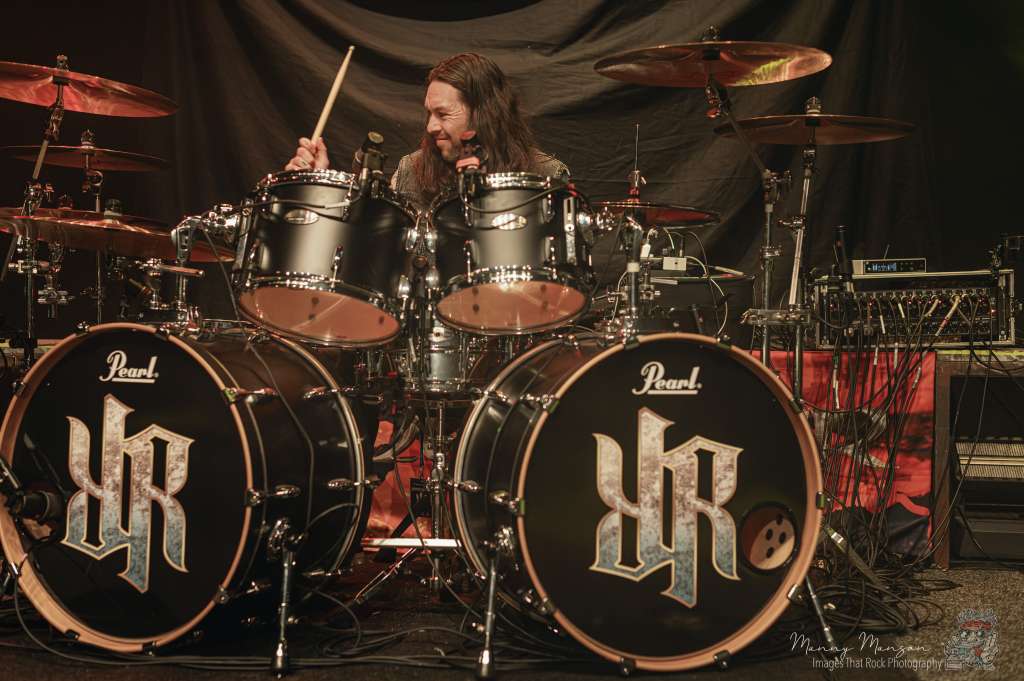
Romero himself attacked the vocal with a commanding confidence that immediately grabbed the room. His voice carried both grit and melody in equal measure, sliding effortlessly between the bluesy edges of the verses and the full-throated power of the chorus. The phrasing had a playful swagger to it, as though he was enjoying every second of the song’s groove while still driving the performance forward with absolute authority. Out on the floor, heads nodded instinctively to the rhythm while fists punched the air in time with the chorus. Midway through the track Rubio stepped forward into the spotlight, stretching the song open with a solo that balanced melody and aggression perfectly. Notes bent and hung in the air before crashing back into the band’s groove, Allen and Arcangeli keeping the engine running beneath him. When the final riff slammed down the Steel Mill erupted again, the band proving that this track from Backbone isn’t just a studio moment, it’s a powerhouse when unleashed on stage.
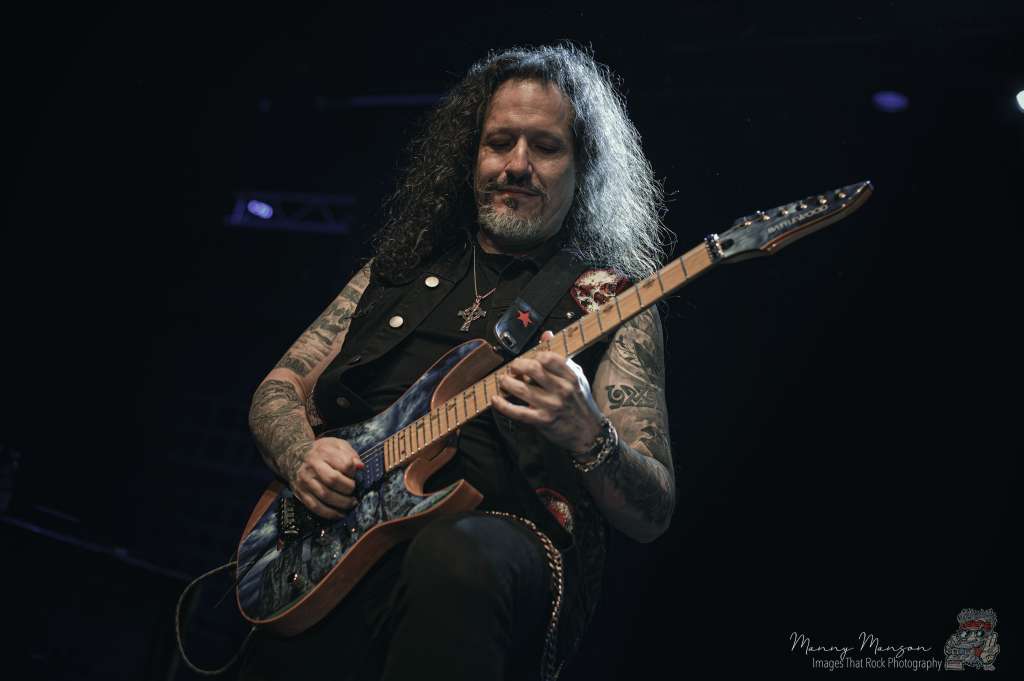
The atmosphere inside KK’s Steel Mill shifted once again as Romero and the band leaned into “Castaway on the Moon.” The track originates from Romero’s 2023 solo album Too Many Lies, Too Many Masters, released on June 15th, 2023 via Frontiers Music, a record that marked a turning point in his career because it was the first time he took a far deeper hand in the writing process rather than simply interpreting other people’s material. That sense of ownership showed in the way he delivered the song. Rubio introduced the piece with wide, echoing guitar textures that felt almost cinematic in their sweep, while Allen eased the band into a steady pulse that allowed the melody to breathe. Arcangeli’s bass lines curled through the arrangement like a second narrative thread, occasionally stepping forward with melodic counterpoints that added warmth beneath the guitars. Romero’s voice took on a reflective tone here, his phrasing careful and expressive as he leaned into the emotional weight of the lyrics. The Steel Mill, which only minutes earlier had been a roaring sea of fists and headbanging bodies, fell into a kind of reverent hush. People leaned forward, absorbing the dynamics, letting the slow-burn build of the arrangement take hold. When the chorus arrived Romero allowed the voice to bloom fully, lifting the melody above the band with a richness that reminded everyone exactly why he has become one of the most respected vocalists in modern heavy rock. Rubio’s solo carried the same sense of space, melodic rather than frantic, bending notes until they seemed to hover above the rhythm section before dissolving back into the groove.
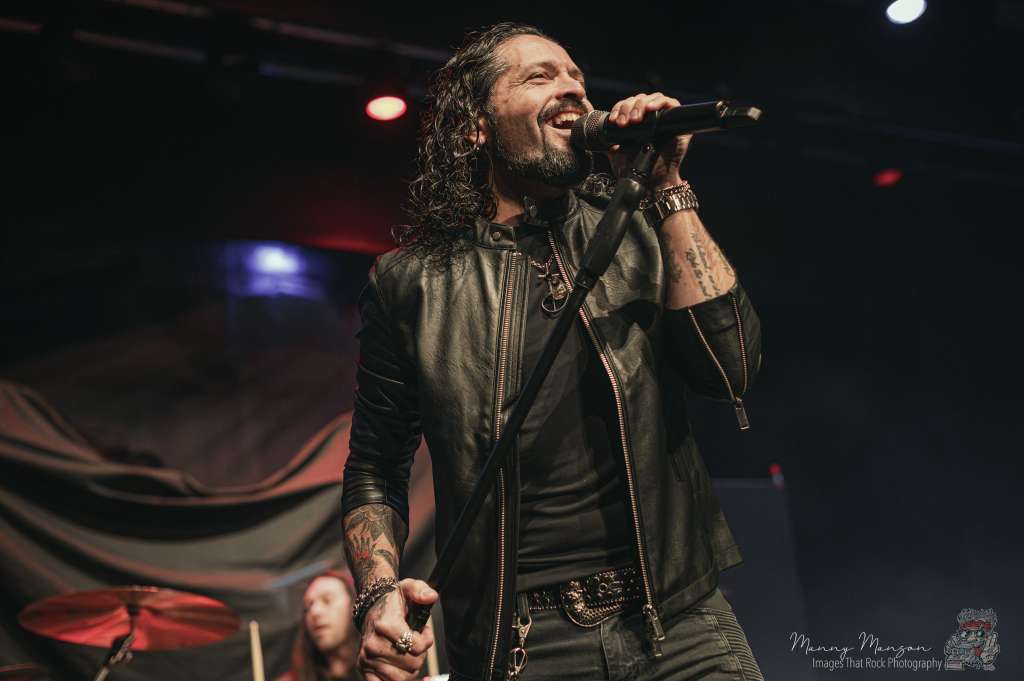
Without allowing that energy to settle, the band drove straight into “Bring the Rock,” another track from the same Backbone album released in October 2025. If the opener had been a statement of strength, this was pure swagger. Rubio leaned into the riff with a blues-soaked edge that nodded to the DNA of classic hard rock while still sounding thoroughly modern. Allen’s drumming pushed everything forward with muscular confidence, the kick drum locking tightly with Arcangeli’s bass so the rhythm section felt like a locomotive charging through the room. Romero moved across the stage like a conductor urging an orchestra into full volume, pointing to the crowd, grinning between lines, clearly feeding off the audience reaction. The chorus hit and the room erupted, hundreds of voices shouting the refrain back at the stage with that joyous chaos only a rock crowd can produce. Rubio stepped forward for the solo and delivered exactly what the moment demanded: not just speed, but feel. Wide bends, quick bursts of shredding, melodic phrases that hung in the air long enough to draw cheers before the next run arrived. The whole performance carried that glorious sense of spontaneity, a band fully locked in and enjoying the ride.
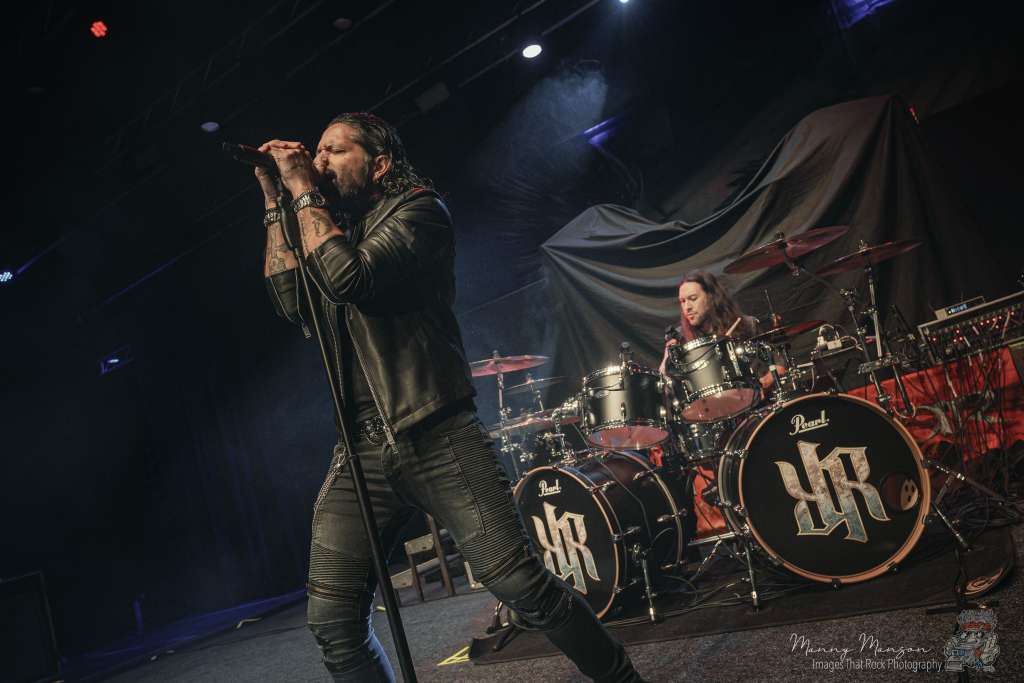
The connection to hard rock history resurfaced again when the band launched into “The Battle Rages On.” Originally released in 1993 as the title track of the Deep Purple album The Battle Rages On…, the song holds particular significance because it was the final studio album to feature the classic Mk II lineup of Deep Purple with Ritchie Blackmore before his departure later that year. Rubio tackled the biting main riff with authority, capturing the aggressive tone of Blackmore’s original guitar work while adding his own sharper articulation. Allen’s drumming punched through the mix with crisp snare hits and tightly controlled cymbal crashes, while Arcangeli’s bass anchored the groove with thick resonance. Romero approached the vocal with theatrical confidence, leaning into Ian Gillan’s dramatic phrasing while letting his own powerful tone reshape the lines. The crowd responded immediately, recognising the Deep Purple classic and shouting along to the chorus with full voice. During the instrumental break Rubio stepped forward with a fiery solo that balanced homage and individuality, a flurry of precise runs giving way to melodic bends that drew cheers from the audience. The Steel Mill once again felt like a living celebration of rock’s lineage, the past and present sharing the same stage for a few glorious minutes.
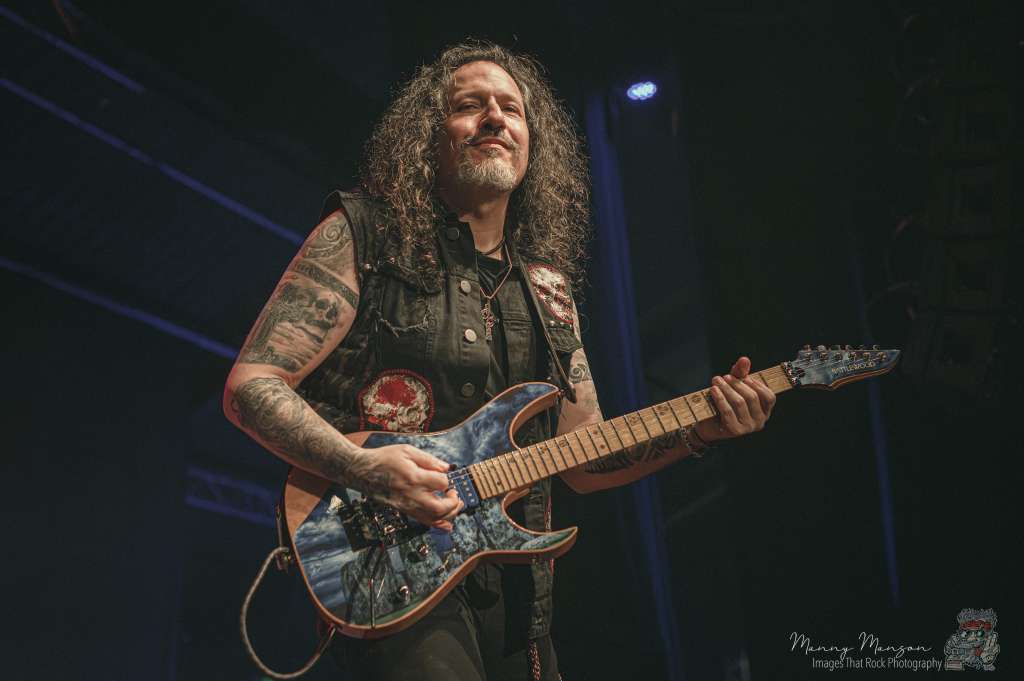
The set pivoted sharply back to Romero’s contemporary material with “Chased by Shadows,” another track from Too Many Lies, Too Many Masters (2023). If the previous number had been a celebration of classic metal heritage, this was a demonstration of Romero’s current creative identity. Rubio’s riff came slicing through the venue with razor-edged precision, the tone tighter and more modern than the earlier Rainbow material. Allen matched that intensity with driving double-kick patterns that injected a sense of urgency into the arrangement, while Arcangeli’s bass rumbled beneath the mix with muscular clarity. Romero delivered the verses with gritty determination before unleashing soaring chorus lines that filled the Steel Mill with melodic power. The interplay between Romero and Rubio became particularly noticeable here, brief glances exchanged across the stage sparking spontaneous flourishes, guitar accents appearing precisely where a vocal phrase left space. Allen punctuated transitions with explosive fills that pushed the energy higher with each cycle of the chorus. The crowd reacted with unrestrained enthusiasm, heads banging in unison as the band hammered through the track’s final section. It was clear that Romero’s newer material carried just as much impact live as the classic covers that had helped shape his reputation.
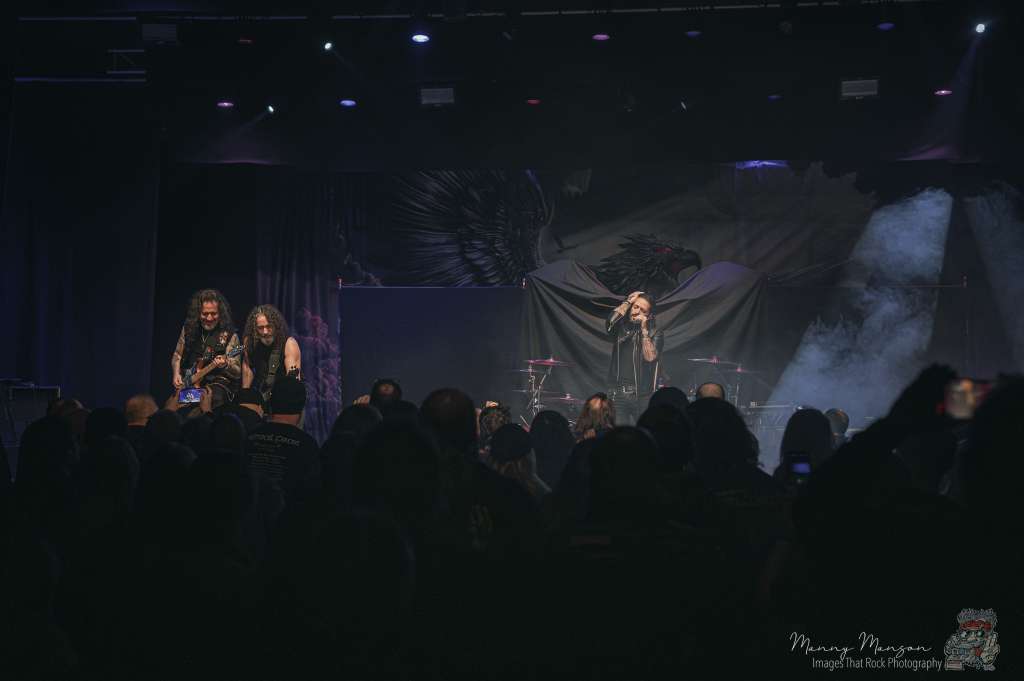
The set reached its climax with “Vengeance,” a bruising closer from Romero’s Too Many Lies, Too Many Masters album released in 2023. The opening riff crashed into the room with uncompromising force, Rubio’s guitar roaring with thick distortion while Allen’s drums detonated beneath it like controlled explosions. Arcangeli’s bass locked everything together with granite solidity, turning the groove into something almost physical in its weight. Romero took centre stage and delivered the vocal with commanding authority, his voice slicing through the dense instrumentation with that signature blend of power and clarity. The song-built momentum steadily, each chorus bigger than the last, the band pushing harder with every cycle. Rubio unleashed a blistering solo during the mid-section, fingers flying across the fretboard before resolving into long sustained bends that sent the crowd into a frenzy. Allen drove the closing minutes with relentless energy; tom fills cascading beneath the guitars while Arcangeli held the low-end steady like an anchor in rough seas. By the final chorus the entire Steel Mill was shouting along, hundreds of voices rising together as Romero raised a fist toward the ceiling. When the final chord rang out the eruption of applause was immediate and deafening.
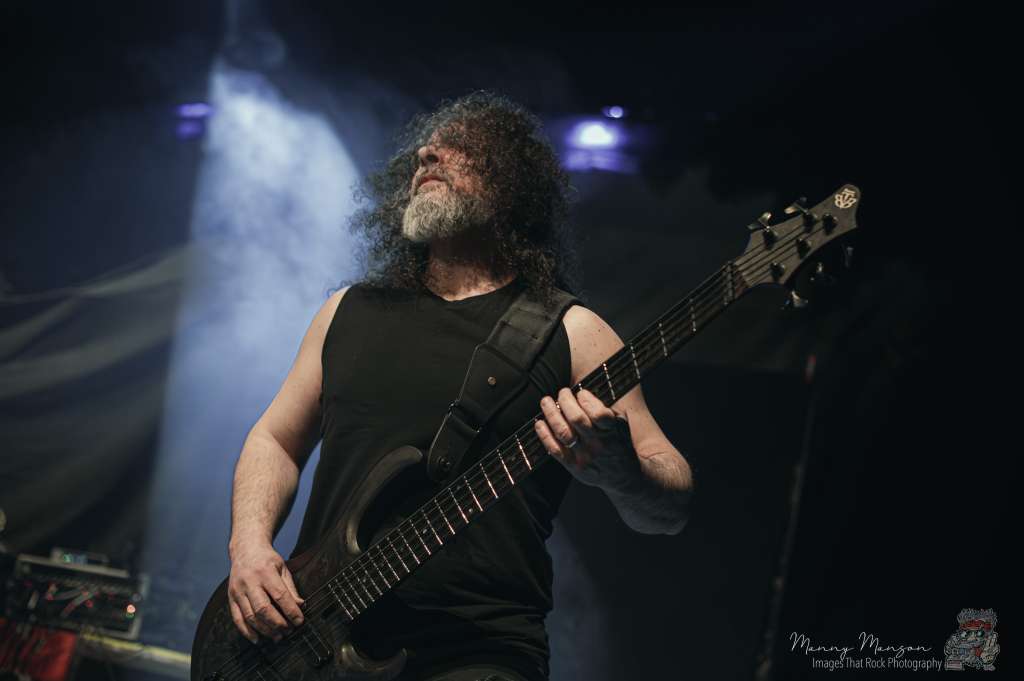
The final song of the set dissolved the calm instantly, the galloping introduction of “Kill the King” tore through the speakers. Originally released in 1978 on Rainbow’s Long Live Rock ’n’ Roll, the song stands as one of the defining early blueprints for melodic power metal. The moment Rubio hit the opening riff the crowd erupted, recognising the classic instantly. Allen drove the tempo forward with relentless precision, his kick drum hammering beneath the gallop while Arcangeli locked tightly to the rhythm, turning the low end into a thunderous engine. Romero attacked the demanding vocal lines with fearless confidence, hitting the soaring passages that Ronnie James Dio once delivered while still injecting his own personality into the phrasing. Rubio channelled the spirit of Ritchie Blackmore’s iconic guitar work during the solo section, but he never slipped into imitation; instead, he threaded small flourishes and expressive bends that made the performance feel vibrant and alive. The Steel Mill became a riot of movement, fists pumping, voices shouting the chorus back toward the stage, bodies surging forward as the band pushed through the song’s explosive closing section. It was the kind of moment where history and modern performance collided perfectly, reminding everyone just how influential those late-seventies Rainbow recordings remain in the DNA of heavy metal.
No sooner had the last echoes of Ronnie Romero’s final note faded into that thunderous reaction than the lights dipped again and an expectant hush fell across the Steel Mill. The air felt thick with anticipation, as though the venue itself was drawing breath. A low synth wash crept through the speakers, not quite music, more a rumble of electricity, and then, the intro started this was punctuated with a brief riff from “We Walk Without Fear,” a classic from 2016’s Rulebreaker this was quickly followed with the opening chords of “Destroyer” as its mighty weight crashed into the room. From this very first note it was clear that Primal Fear had arrived not only as a continuation of the night, but as its inevitable culmination.
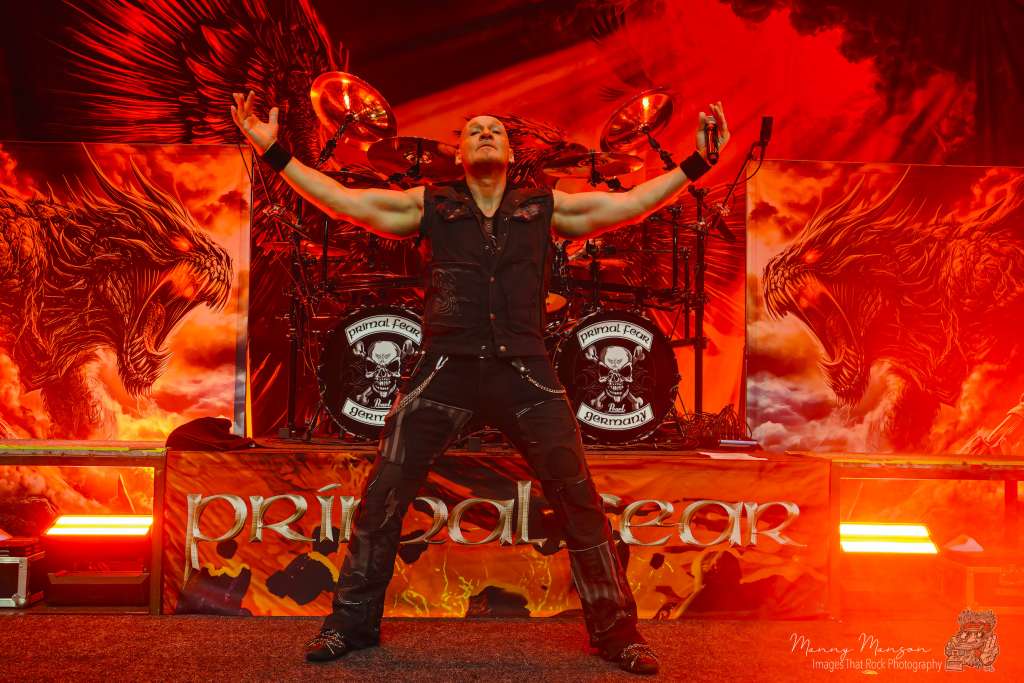
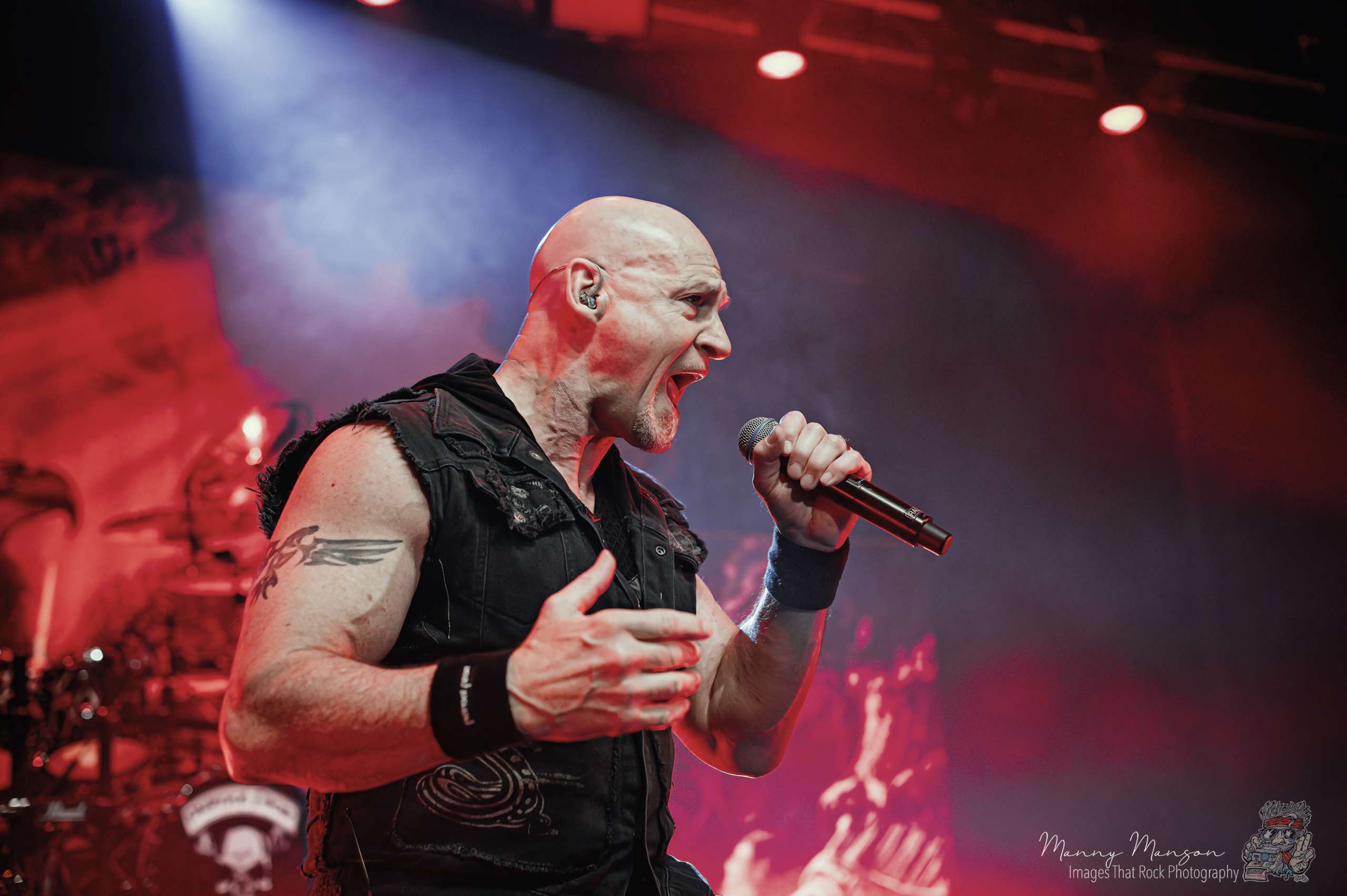
“Destroyer” was released in 2025 on the band’s latest release, Domination, the raw statement of intent that introduced Ralf Scheepers’ operatic ferocity to the world and set the template for European power metal. Tonight, decades later, Scheepers stood front and centre with the same unshakeable authority, the current lineup, Scheepers on vocals, Magnus Karlsson and Thalia Bellazecca on guitars, André Hilgers on drums, and Mat Sinner on bass, breathing fresh fire into a song etched deep into metal history. The twin guitars intertwined like serpents of flame, trading harmonized leads that soared above Hilgers thunderous doublekick assault and Sinner’s deeprooted bass foundation. Scheepers’ vocals cut through it all like a blade tempered in flame, his high notes shimmering, his midrange grit grounding every phrase with visceral power. The audience didn’t just respond, they erupted. Fists punched the air, heads nodded in perfect unison, and voices erupted in shouts only metal could muster. In that moment, between blistering riffs and spinetingling crescendos, you could feel the lineage of Primal Fear pulse through the room, a living testament to a band built on precision, intensity, and unrelenting drive.
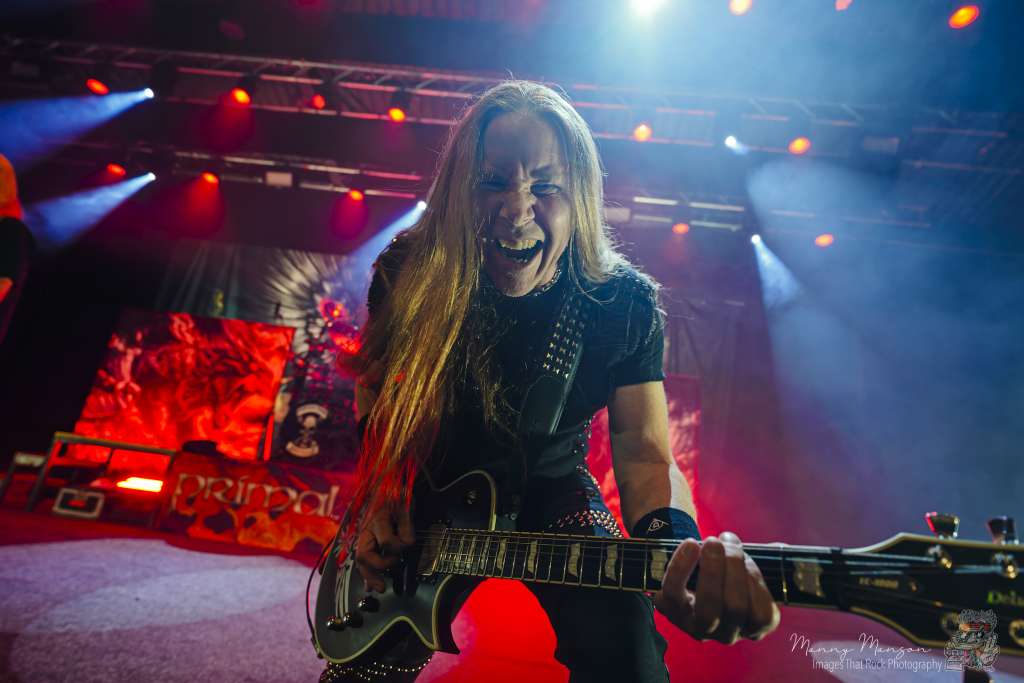
There was no pause, no moment to draw breath, as if the energy of Destroyer had summoned the next charge of adrenaline. The band transitioned into “I Am the Primal Fear,” the anthemic centrepiece of their 2025 album Domination, a track built on razorsharp riffing and chorus lines that have become rallying cries for fans worldwide. What struck me immediately was how organically the song followed its predecessor: the raw intensity of Destroyer didn’t dissipate, it simply deepened. Karlsson and Bellazecca locked into a precision dance of harmonized leads, their fingers dancing over fretboards with an instinctive synchronicity born of years of playing together. Hilgers drumming struck like thunder on steel, each snare snap and doublekick flare driving the song forward with mechanical ferocity, while Sinner’s bass lurked beneath it all, a subterranean pulse that made every note feel like a tidal wave. Scheepers commanded the stage with regal authority, articulating every line with crystal clarity and emotional weight, his voice an anchor amidst the storm. The crowd roared in response, a tidal wave of voices and fists and pure kinetic energy, and for a moment it felt as if time had stopped, just the band and the crowd, fused together in a single metal heartbeat.
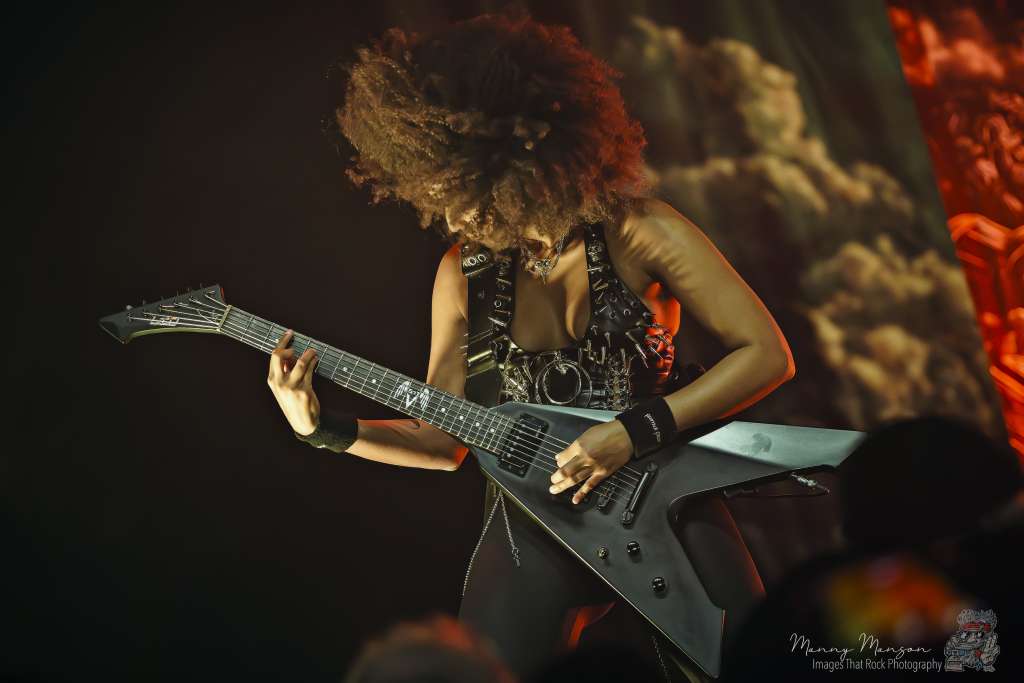
From sheer anthemic force, the band guided us into something darker. When the first melancholic arpeggios of “Final Embrace” unfurled, the atmosphere in the Steel Mill shifted noticeably. Originally from their 1999 album Jaws Of Death, this song was a demonstration of Primal Fear’s more nuanced side, the ability to balance aggression with melodic sophistication. Tonight, it was delivered with a cinematic sweep: Karlsson’s guitar lines shimmered over Bellazecca’s intricate counterpoints, Hilgers drumming offered both finesse and power, and Sinner’s bass wrapped the arrangement in a low, velvety undercurrent. Scheepers gave perhaps one of the most emotive vocal performances of the night, navigating the melodic highs with an almost operatic clarity and plunging into brooding low passages with a controlled authority that made every word feel significant. The audience, who had been roaring only moments before, leaned in collectively; in those hushed passages, every listener seemed transported into the song’s emotional gravity. Then, when the harmonies surged and the rhythms built toward release, the eruption of applause was not just appreciation — it was a communal exhale, a release of emotional tension shared among band and fans alike.
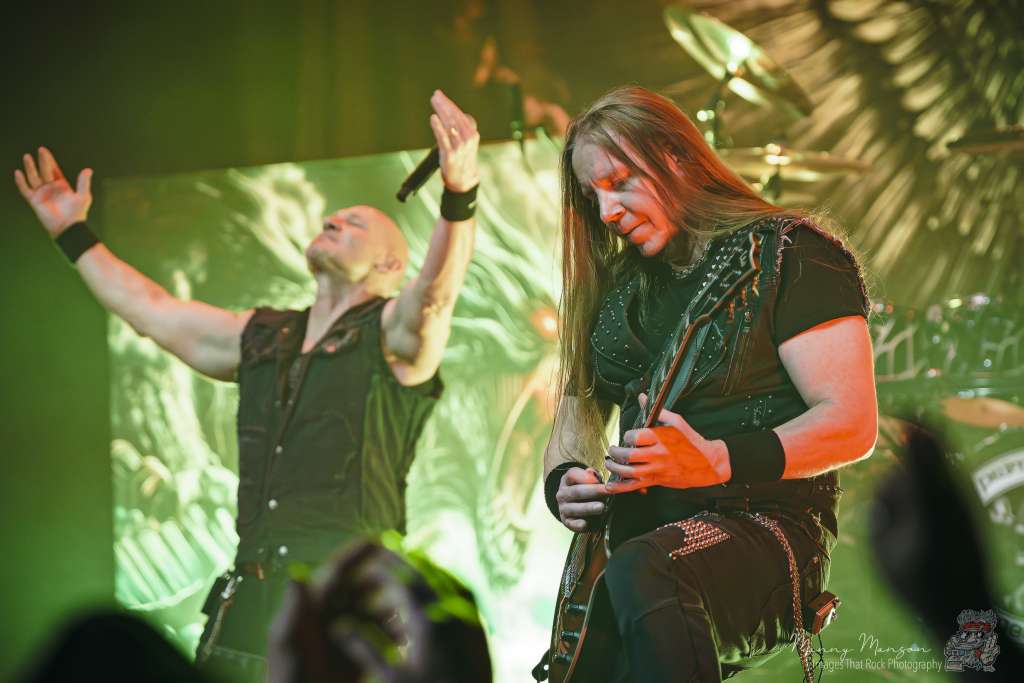
That emotional depth gave way to unbridled ferocity once “Nuclear Fire” ignited the room. Originally the title track of their 2001 album Nuclear Fire, this song has always been a feral beast of melodic hooks and galloping riffs, and live it hit like a blast furnace. Karlsson and Bellazecca’s twin guitar assault was thunderous yet precise, Hilgers rhythm hits were explosive and commanding, and Sinner’s bass gave each riff a monumental weight that made the walls of the Steel Mill reverberate. Scheepers’ voice soared above the storm with crystalline clarity, navigating the song’s frantic energy with ease. The crowd lost itself in the momentum, heads banging, fists raised, voices roaring every chorus back to the stage.
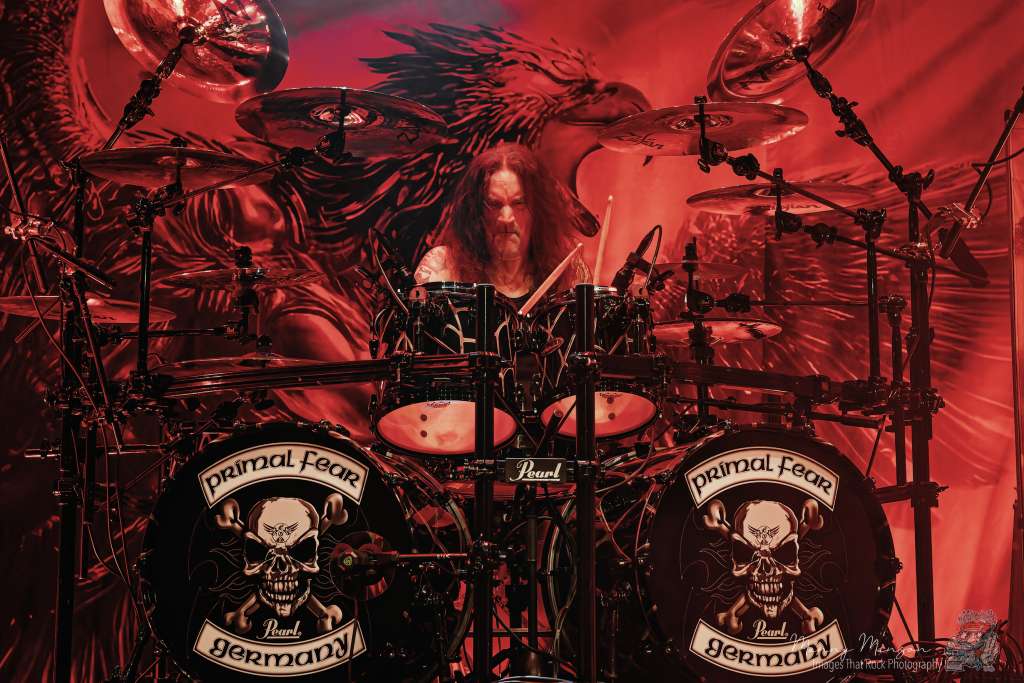
There was little restraint here; the song demanded power, and tonight, both band and audience delivered it without compromise. As the final chords of Nuclear Fire faded, there wasn’t a moment’s hesitation before the first dramatic notes of “Seven Seals” unfurled into the night. Released on the 2005 album Seven Seals, carries an almost cinematic grandeur, melodic, epic, and full of harmonic depth, and tonight, the band embraced that scope with a commanding presence. Karlsson’s guitar shimmered atop Bellazecca’s rhythm work, weaving harmonies that felt like waves cresting against a stormy sea, while Hilgers drumming underscored each shift in intensity with precision and dramatic impact. Sinner’s bass anchored the arrangement with unwavering depth, and Scheepers’ dynamic vocal performance carried the crowd through both serene melodic passages and triumphant crescendos. The audience was absorbed in motion, swaying, clenching fists, erupting with cheers during the song’s climactic peaks, and the transition from blistering intensity to epic sweep and back again felt as natural as breathing. It was a reminder not only of Primal Fear’s technical mastery but of their ability to take fans on a fully realized emotional and sonic journey.
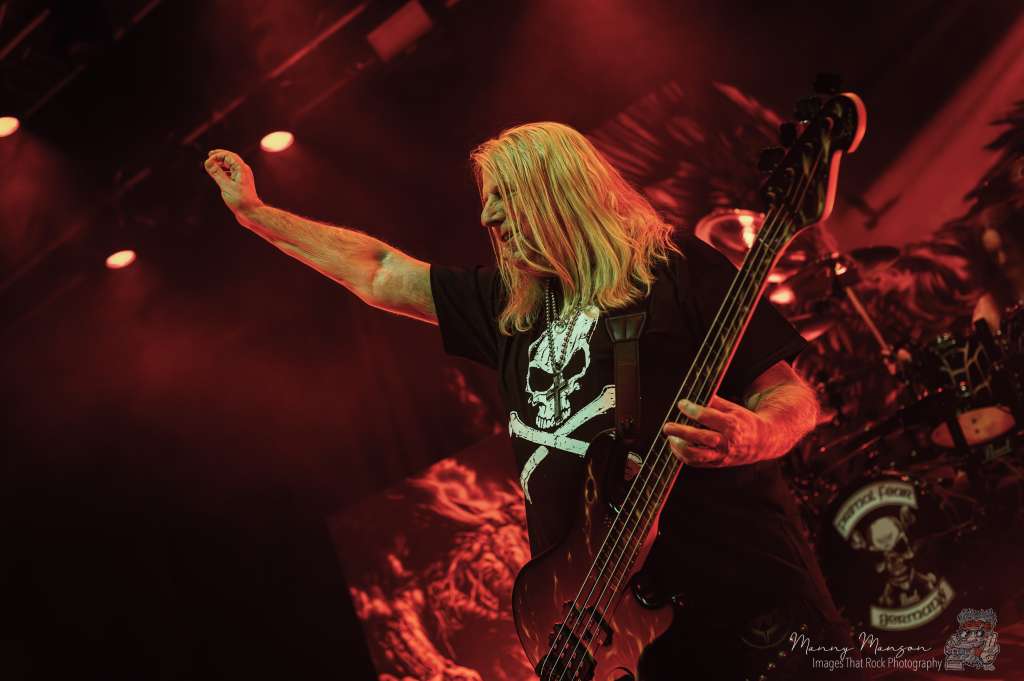
As “The Hunter” thundered into the Steel Mill next, the room seemed to vibrate with kinetic anticipation. Another from their 2025 album Domination, The Hunter is a visceral statement of unrelenting energy, and live it was every bit that, and more. The guitars cracked like lightning, Hilgers drumming was a relentless machinebeat thunderbolt, and Sinner’s bass rumbled like tectonic force underneath it all. Scheepers prowled the stage like a predator, his vocals shifting from piercing highs to gritty midrange with deft control, and the crowd responded like a pack unleashed, fists pumping, heads moving in perfect rhythm, voices chanting the choruses back in fervent roar. What made this performance unforgettable was the sense of symbiosis between band and audience: the energy didn’t just travel from stage to floor, it cycled back, returning amplified with every chant and synchronized stomp. There was barely a breath between this and “Tears of Fire,” the powerful centrepiece from Primal Fear’s 2025 album Domination. Where The Hunter was pure primal energy, Tears of Fire was dramatic and melodic, its emotional range vast and its melodic sophistication undeniable. Karlsson and Bellazecca’s twin harmonies enveloped the venue, Hilgers drumming accentuated every dynamic twist, and Sinner’s bass grounded the harmonics in a rich undercurrent. Scheepers delivered the lyrics with the measured intensity of a storyteller commanding a room, his voice capturing the song’s tension and release with masterful insight. The crowd responded in kind, hushed reverence in the softer passages, explosive applause at the choruses that seemed to summit into collective adrenaline peaks. Here, one felt the full breadth of Primal Fear’s musical palette: this was not only power, but nuance, emotion, and narrative rendered in sound.
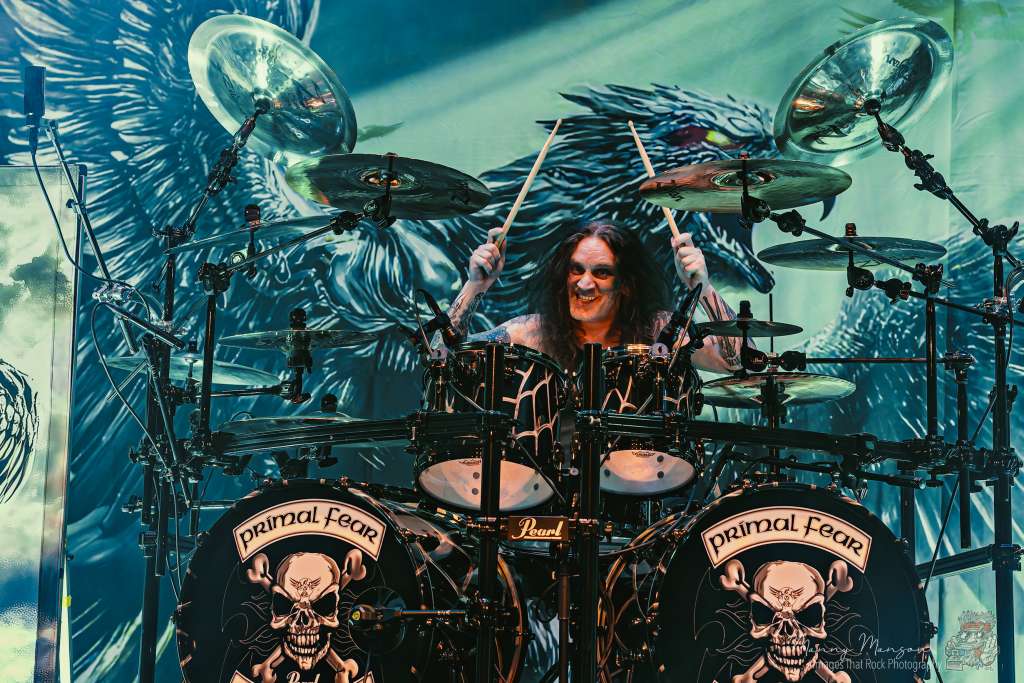
With barely a pause, the mood shifted once more as the opening riffs of “King of Madness” struck. From the 2018 album Apocalypse, this track had always stood as a testament to the band’s ability to marry aggressive riffs with melodic interplay, and live it poured from the stage like molten metal. Karlsson and Bellazecca carved out weaving harmonized leads that cut through the room with crystalline precision, Hilgers drumming thundered with dramatic flair, and Sinner’s bass lent each note a visceral punch. Scheepers responded to the instrumentation with commanding vocal authority, his phrasing breathing life into every lyric, while the crowd roared back in unison. The room seemed to strain against itself with sheer momentum, each riff landing with the force of a hammer blow, each chorus a triumph of communal energy.
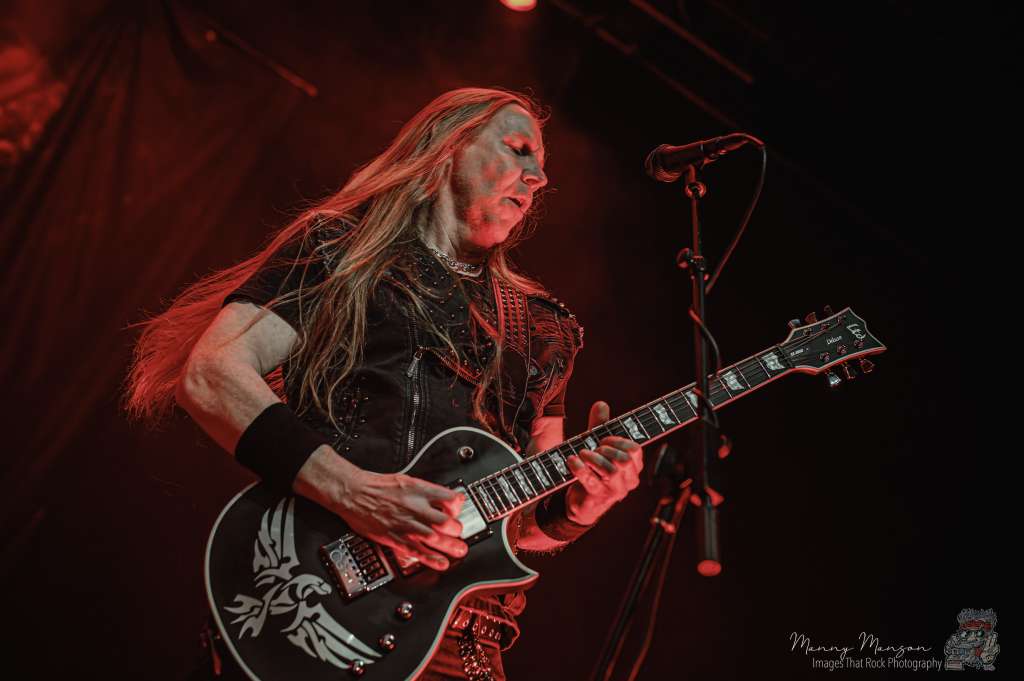
From here, “The End Is Near” pulled us into darker terrain. Another gem from Rulebreaker (2016), this track carries an ominous sweep, a song that juxtaposes highoctane aggression with foreboding melodic tension. Tonight, it unfolded like a narrative arc: Karlsson and Bellazecca’s guitars interwove like twin predators stalking their prey, Hilgers drums punctuated each shift with calculated intensity, and Sinner’s bass underpinned the arrangement with a palpable weight. Scheepers’ vocal delivery was the centrepiece, soaring with operatic power in the choruses and dipping into gritty menace in the verses. The audience was completely absorbed, swaying and headbanging in synchronicity, their chants echoing Scheepers’ voice back to the stage as if they were coauthors of the song’s drama. The Steel Mill’s intimate acoustics magnified every subtle nuance, harmonics shimmered, bass throbbed, and when the final chord rang out, the room erupted in cheers, a collective acknowledgment of the track’s enduring power.
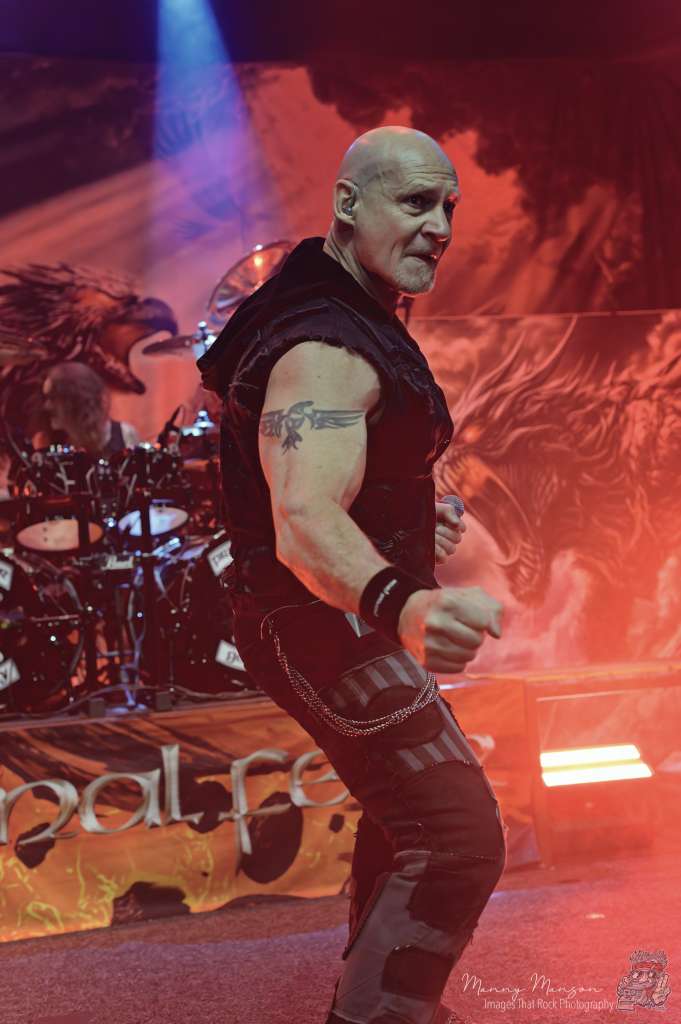
The first eerie, intricate notes of “Hallucinations” from the 2025 album Domination, written by long time guitarist Karlsson, then filled the space, and the crowd seemed to hold its breath. This was a song of hypnotic tension and complex structure, and live it was nothing short of mesmerizing. Karlsson and Bellazecca’s guitars conversed like two storylines entwined, Hilgers drumming alternated between precision rhythm and expressive punctuation, and Sinner’s bass laid a resonant undercurrent that kept every shift grounded. Scheepers navigated the arrangement with consummate control, it was an instrumental that alternated between soaring highs and brooding lows like a master painter shading light and dark with equal artistry, there was no need for that exquisite vocal here. The audience, utterly captivated, swayed along, occasionally pausing to absorb the subtler shifts before erupting in applause at the song’s dramatic crescendos. This felt like a passage through a living, breathing sonic labyrinth. By the time “Fighting the Darkness” boomed into being, the Steel Mill was in full frenzy. From New Religion (2007), this track had always been a staple of Primal Fear’s setlists, relentless, ferocious, and precise. Karlsson and Bellazecca’s guitars sliced through the venue with ruthless efficiency, Hilgers drumming was simultaneously fierce and controlled, and Sinner’s bass anchored every phrase with deep resonance that made the room physically vibrate. Scheepers commanded the stage, his operatic highs cutting through the guitar wall with crystal clarity, his gritty midrange adding tension and urgency to every verse. The audience responded in full force, leaping, screaming, bodies slamming in rhythmic unison, and in that moment, the room felt like a living organism pulsating with collective metal devotion. By the final chord, the exhilaration was palpable, a roar that seemed to shake the very foundations of the Steel Mill.
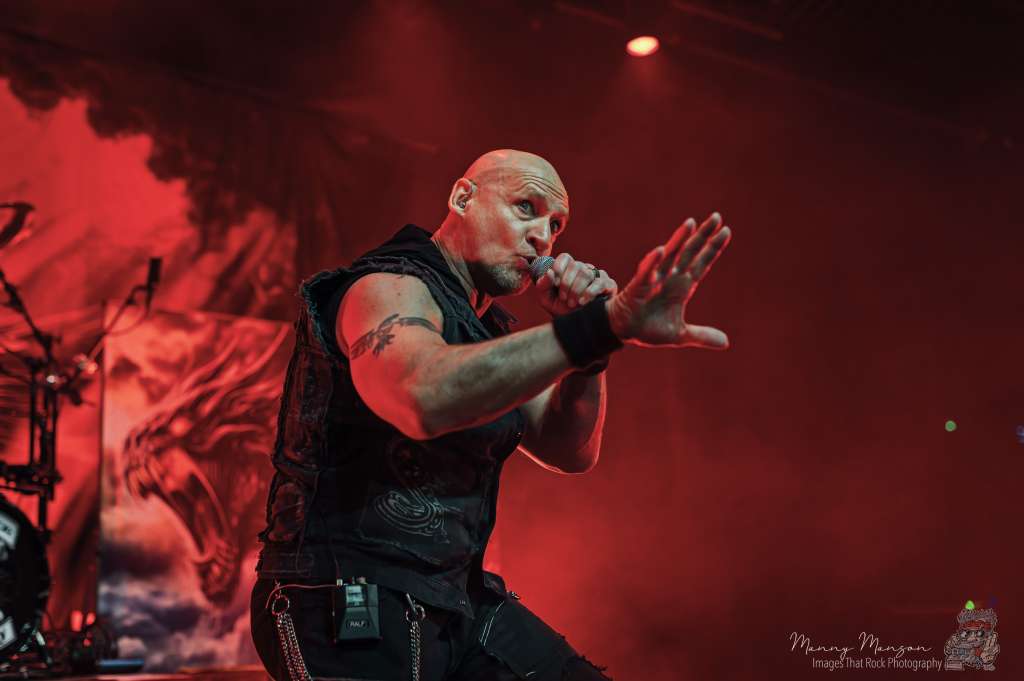
Without missing a beat, the band transitioned into “Chainbreaker”, another highlight from Primal Fear (1998). From the opening bolt of twin guitars, Karlsson and Bellazecca wove their harmonies with surgical precision, Hilgers thunderous doublekick set the relentless pace, and Sinner’s bass anchored the sheer force of it all. Scheepers’ voice soared over the storm, shifting effortlessly between operatic peaks and gritty authority, coaxing the crowd into unison chants that erupted from every corner. The audience, now a cohesive tidal wave of fervour, screamed every riff and lyric back at the stage, fists pumping in perfect synchronization with the driving tempo. When the final crushing chord hit, the Steel Mill exploded in deafening cheers, an eruption of shared exhilaration that felt like release and celebration all at once. And yet, the night wasn’t finished. With barely a breath taken, “Metal Is Forever” from the 2004 album Devils Ground surged into the air. This modern Primal Fear anthem was both a declaration and a celebration, a tribute to the metal community whose devotion had carried the band through decades. Karlsson and Bellazecca’s dual guitars harmonized with blistering precision, Hilgers drums thundered with muscular authority, Sinner’s bass gave every note a visceral lowend punch, and Scheepers’ voice soared above it all, effortless yet commanding. The crowd responded instantly, fists raised high, voices echoing the anthem back in waves, bodies swaying in unison to the driving tempo. The Steel Mill became a conduit of raw metal devotion, a shared celebration that transcended individual experience, a collective affirmation of the genre’s timeless power. By the final soaring riff, every soul in that room was shouting, cheering, and fully immersed in a shared, unrelenting love of metal.
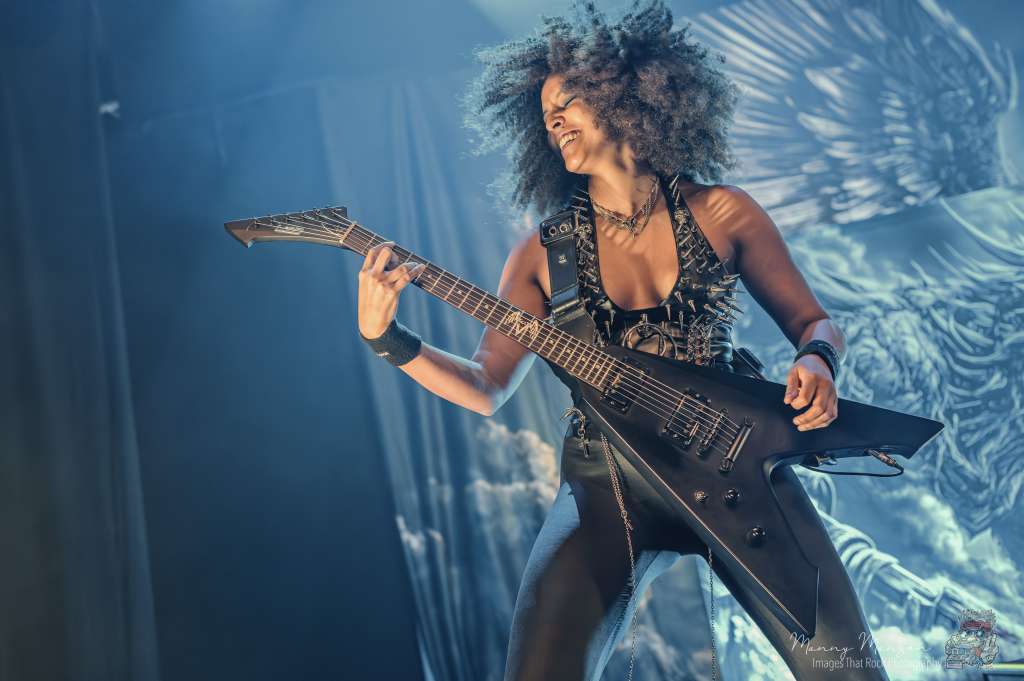
But there was one final turn in the tale, a moment that no one quite expected yet somehow made perfect sense once it began to unfold. As the stage lights softened and the instruments fell silent, Ralf Scheepers gathered the band together on the drum riser, the entire lineup of Primal Fear settling shoulder to shoulder in a relaxed semicircle. Scheepers grinned out at the crowd and explained that what was about to happen was something they had been experimenting with on this tour, an a cappella version of “Hands of Time.” (2009, 16:6 Before the devil knows Your dead) and judging by the roar of approval that rippled through KK’s Steel Mill, it was an idea the Wolverhampton crowd were more than ready to embrace. What followed was a striking shift in atmosphere. Without guitars, drums, or the usual thunder of amplification, the song revealed a completely different kind of power. “Hands of Time,” originally appearing on Metal Commando (2020), suddenly felt far more intimate in this form. Scheepers carried the lead vocal alone at first, his voice strong yet measured, every phrase ringing clearly through the venue without the need for anything but breath and resonance.
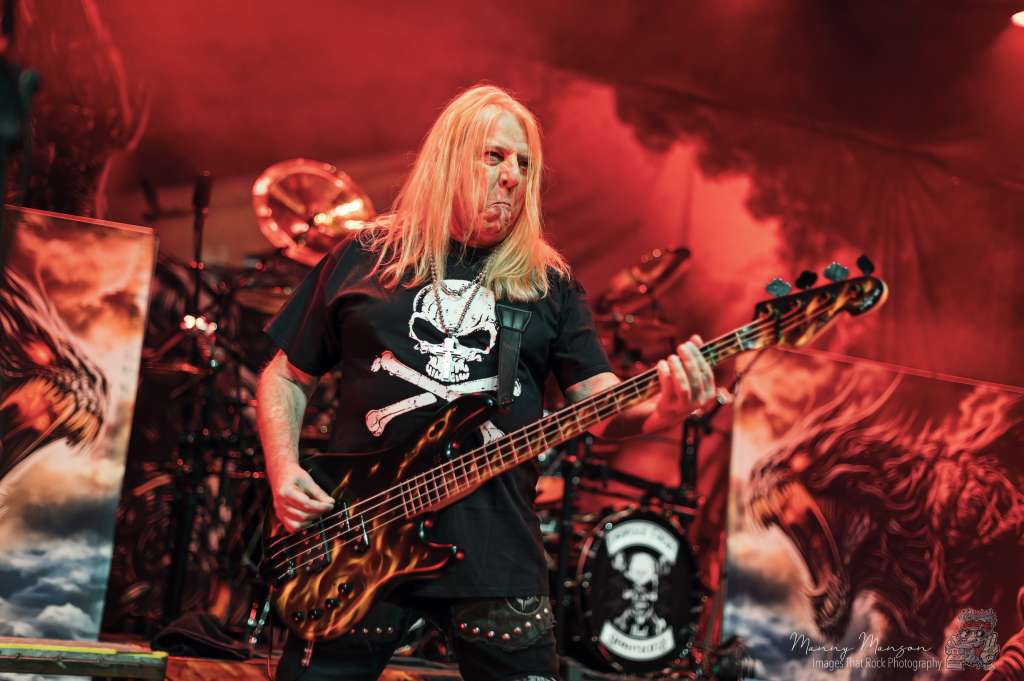
Around him the band built a soft web of harmonies, each member adding layered backing vocals that replaced the guitars and keyboards with pure human sound. The effect was remarkable. Instead of the usual metallic assault, the Steel Mill found itself wrapped in a warm choral glow. Fans who had spent the night pumping fists and headbanging now leaned forward, hanging on every note as the harmonies rose and fell together. There was something quietly powerful about seeing the band perched casually on the drum riser, singing together like that, proving that beneath all the amplification and firepower there was still a deep love for melody and craft. When the final harmony faded into the rafters the crowd responded with a wave of applause that felt almost relieved, as though everyone present knew they had just shared a rare moment of connection in the middle of a full-throttle metal show.
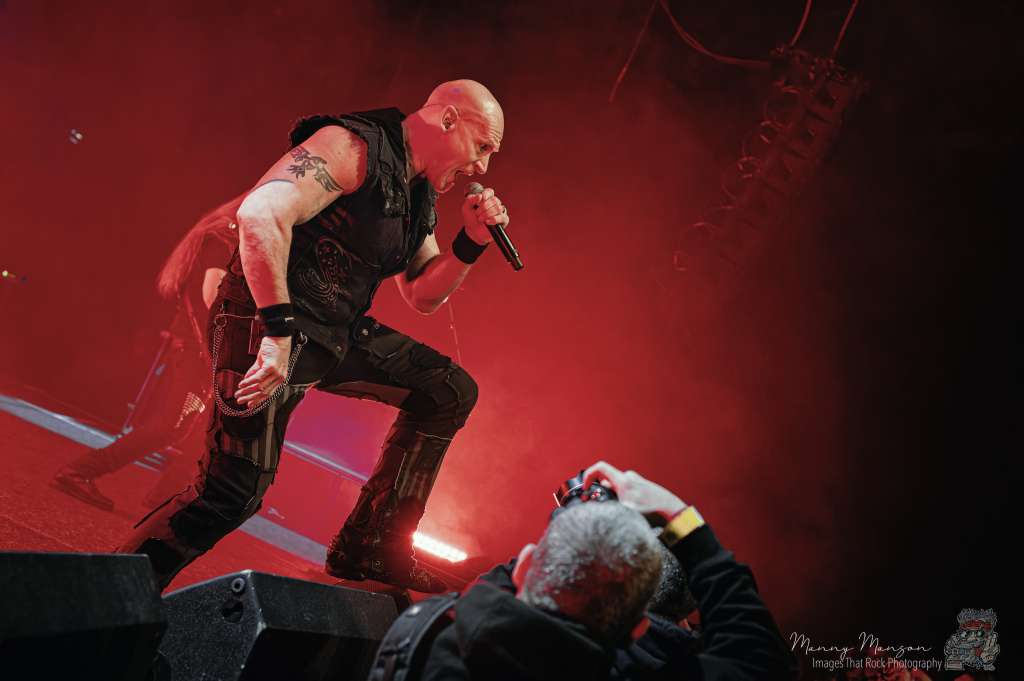
When the opening riff of “Running in the Dust,” hit, the Steel Mill ignited instantly. The song, originally from Primal Fear’s self-titled 1998 album Primal Fear, had always been a relentless power-metal anthem, blending galloping riffs, melodic hooks, and sheer adrenaline. The original lineup, Ralf Scheepers on vocals, Tom Naumann and Alex Beyrodt on guitars, Mat Sinner on bass, and Randy Black on drums, had captured the perfect mix of technical precision and visceral energy, and hearing it live decades later, with Scheepers, Magnus Karlsson and Thalia Bellazecca on guitars, André Hilger’s on drums, and the only other original in the band, Mat Sinner’s on bass, felt like a living continuation of that legacy. Every note carried history and intensity, a bridge between the band’s formative years and their modern mastery. Karlsson and Bellazecca’s twin guitars tore through the Steel Mill with searing precision, trading harmonized leads and soaring solos that seemed to hover over the pounding rhythm section.
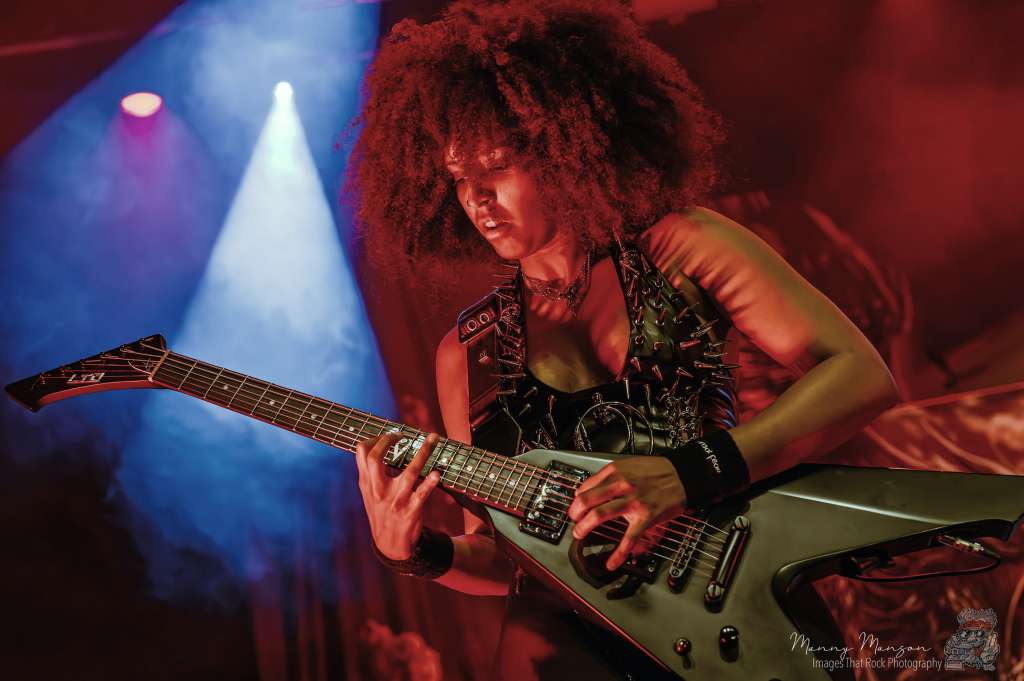
Hilger’s drumming was relentless, every snare, kick, and cymbal accent perfectly timed to drive the song forward while enhancing the melodic tension. Sinner’s bass anchored the sound with immense low-end weight, giving the guitars room to shine while adding a physical punch that made every beat resonate through the crowd. Scheepers’ vocals were commanding and thrilling, alternating between operatic highs, gritty midrange, and explosive choruses that the crowd echoed back in unison. He moved across the stage with authority, interacting subtly with the guitarists, encouraging the fans to participate, and feeding off their energy as if it were another instrument in the mix. The audience responded in kind: fists pumped, voices shouted every lyric, and the collective energy of the room made the song feel like a living, breathing organism.
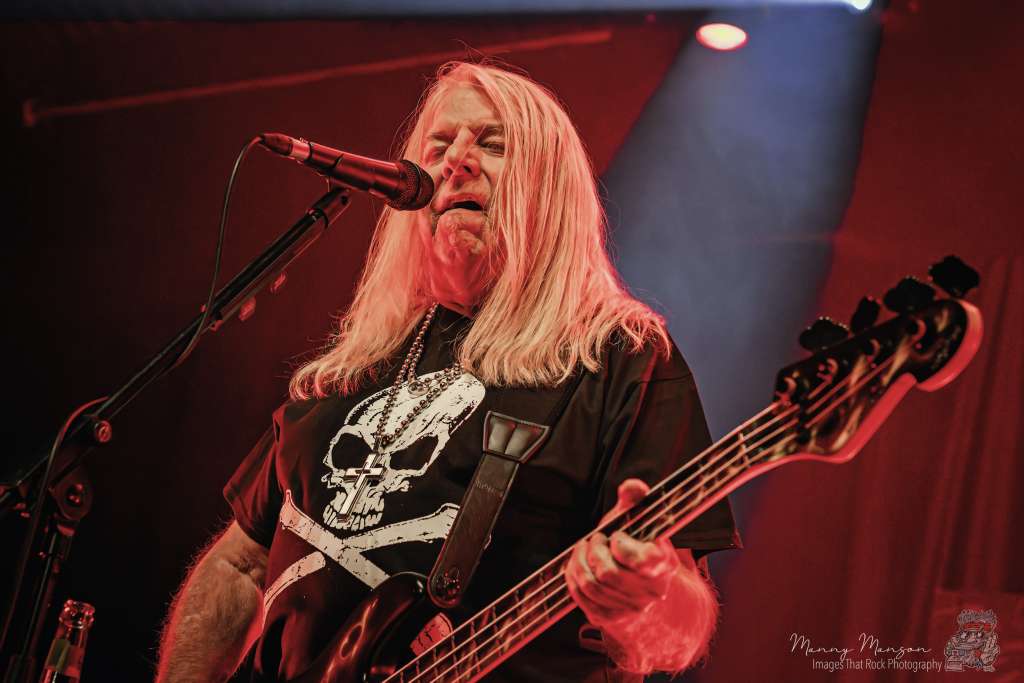
Running in the Dust was the perfect finale to the set. It brought together everything the night had offered: melodic mastery, raw power, intimate nuance, and the sheer joy of live performance. They had delivered decades of power-metal intensity with unrelenting force. The night had been an odyssey, from Romero’s commanding presence and nuanced mastery to Primal Fear’s decadesspanning power and relentless intensity. Once again it was more than a mere concert; it was a living chronicle of metal’s enduring spirit, a salute to the unifying force of music played with skill, passion, and unbreakable devotion. And as we spilled out into the night, voices still echoing riffs and choruses, it was impossible not to feel that this was another night of live music, that would echo in memory long after the final chords had faded.