Review & Photography by Nathan Vestal for MPM
Some shows feel like a straight line from opener to headliner. This one felt more like a staircase, each band taking the night up another level.
By the time Aesthetic Perfection hit the stage at The Annex in Madison on April 9, the room had already been pulled through four distinct moods: the raw local punch of Lockjaw, the glossy adrenaline rush of Julien-K, the sleek, shadowy cool of Priest, and finally the sharp-edged, crowd-commanding charge of the headliner. It made for a long night in the best sense, one where each set added something different instead of blurring into the next.
The Annex was the right room for it, too. Small enough to keep everything intimate, loud enough to let the bass hit where it should, and close enough that nobody felt far from the action. This was not one of those detached, stand-around-with-a-drink kind of nights. It had movement. It had style. It had that particular electricity that comes from a crowd that already knows what kind of world it walked into.
And most importantly, it had range.
Lockjaw : A Brutal Ignition Sequence
Milwaukee-based Lockjaw had the hardest job on the bill and maybe the simplest mission: kick the doors open without wasting time pretending subtlety was on the menu. Opening sets at shows like this can feel like trying to start a riot with a pocket lighter, but Lockjaw understood the assignment. They didn’t come out begging for attention. They came out with purpose and gave the room a needed jolt right away.
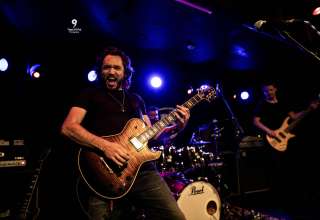
After celebrating 30 years last fall, the band recently remixed its membership with creative lead and vocalist Medavon DeRaj’e being the consistent member. The addition of a stand-up bass by Stephen Lacroix adds a standout sound while Wolf rounds out the rhythm section on drums. On lead guitar, former bandmate Baldii returns to deliver his gritty and animated style, which really excels on tracks like “Bored Again” that the audience recognized from the XBOX360 game Dead Rising soundtrack.
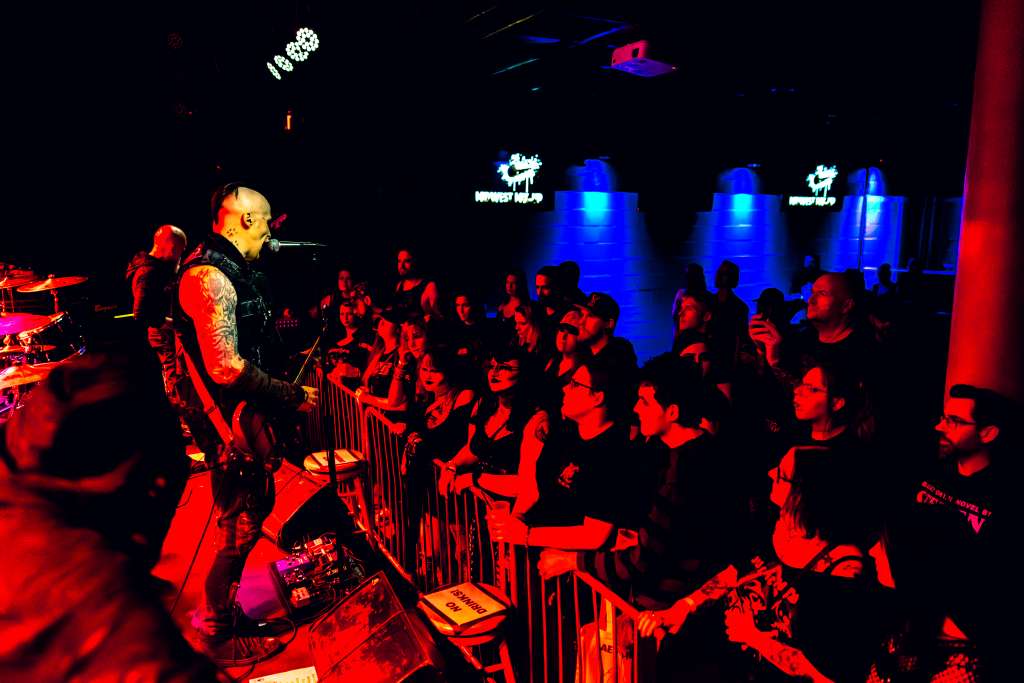
The best local and regional support bands know how to read a room full of people who are still halfway in conversation and drag them, one by one, into the present tense. That’s harder than it looks, especially with a crowd that is still filing in, settling at the bar, and figuring out where to stand. Lockjaw’s set felt lean, unornamented, and appropriately abrasive, the kind of performance that says atmosphere is nice, but impact pays the rent. By the end of their time, the crowd wasn’t just warmed up. It had been roughed up.
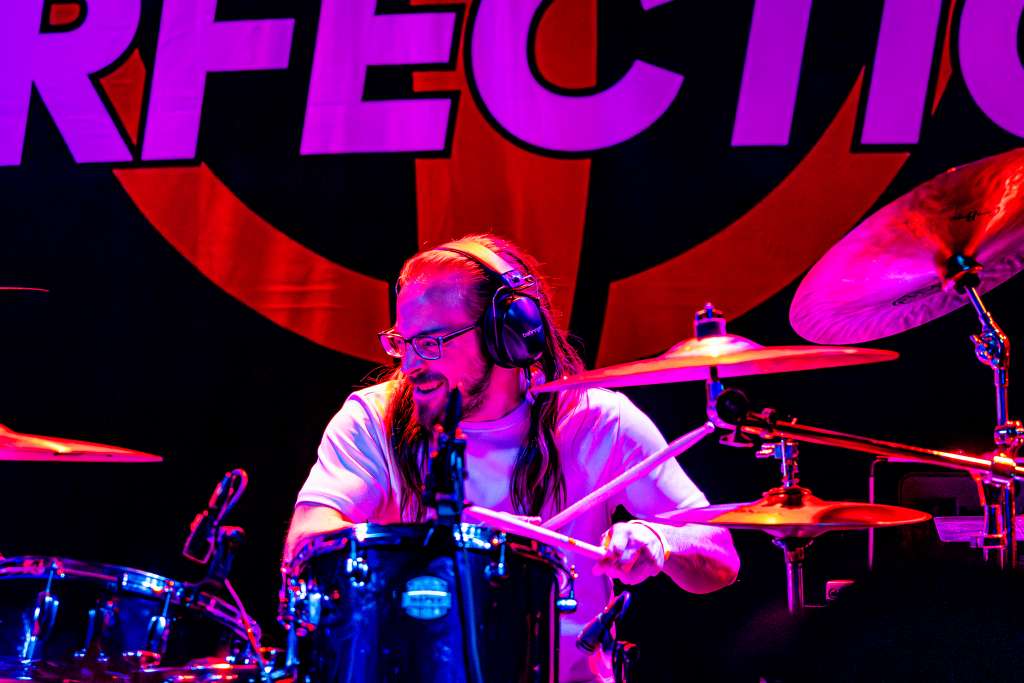
Local support can sometimes get treated like the opening credits before the feature starts, but Lockjaw didn’t play like a band interested in easing anyone into the evening. What worked best about their set was how direct it felt. No wasted motion, no overthinking, no trying to be cooler than the material. Any audience members still on autopilot tuned in when Lockjaw tore into their rendition of Ozzy’s “Paranoid”.
By the end of their set, that warm-up period was over. The crowd was paying attention.
Lockjaw’s set had a roughness to it that worked in the room’s favor. It reminded everyone early that this wasn’t going to be some sterile, over-polished night of programmed precision. There was going to be some dirt in it too.
And that made everything that followed hit harder.
Julien-K : Digital Swagger, Live-wire Hooks, and Urban Decay
If Lockjaw cracked the door, Julien-K blew it wide open.
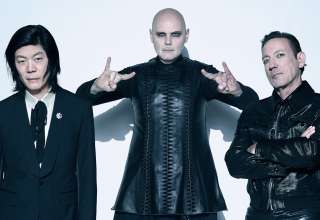
They brought a bigger, more expansive energy to the room, one built on huge hooks, hard-driving electronics, and that blend of alternative rock and industrial pulse the Long Beach, California-based band has long made their own. Suddenly the night opened up.
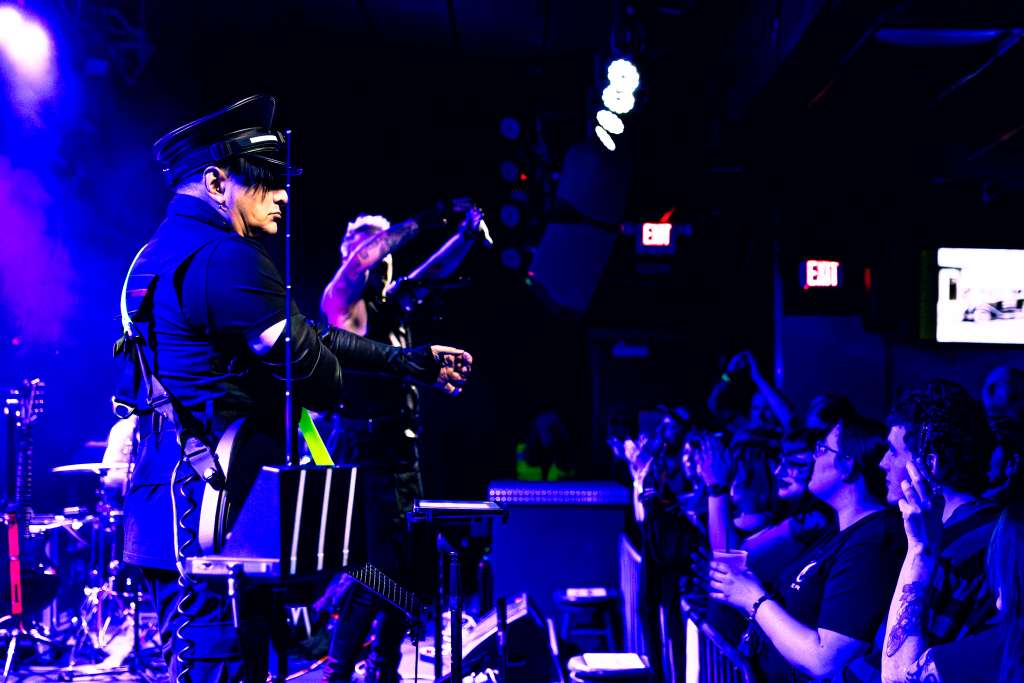
A well-balanced set with newer and older tracks such as “Stronger Without You”, “Your Tears Mean Nothing” and the intense “You // Shut Down Your Soul”, Julien-K hit with a kind of bright, kinetic urgency that made everything feel larger. Even when the textures are glossy and futuristic, there’s muscle underneath their songs that carry forward motion. Live, that matters. It keeps the sound from floating away into mood and gives the whole set something to push against.
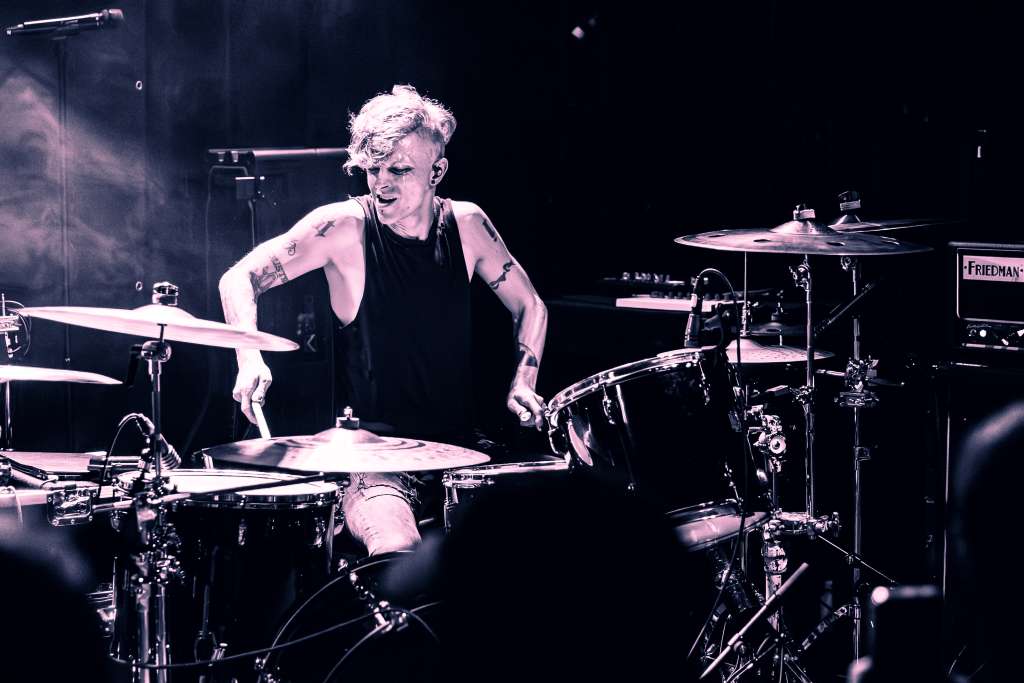
Julien-K also benefited from the room itself. In a venue like The Annex, nothing gets to hide behind scale. Their set had the kind of momentum that makes a crowd stop checking its phone, stop drifting to the back, and just stay in it. Heads were up. Arms raised, clapping in unison. Bodies were moving. The room felt fully activated.
And there was a real sense of fun in their set, which is sometimes undervalued in darker genres. Amir Derakh ominously and playfully fluttered his fingers and waved hands around his theremin, at times, inviting members of the front row to contribute to the band’s sound. On lead vocals, Ryan Shuck knows how to be stylish without becoming too precious, and with well-timed points and smiles, can make a packed room feel like it is part of something personal and just a little cinematic. On drums, Galen Waling moves quickly to keep the crowd in motion. Together, the trio performs a perfect live show where everything suddenly seems brighter, louder, and more immediate than it has any right to be.
By the time they wrapped, the crowd felt not just warmed up, but fully in motion.
Priest: Darkwave Lust, Mystique, and Precision
Where Julien-K gave the evening speed, Priest gave it shape.
By the time they took the stage, the crowd was already loose and engaged, which let Priest do what they do best: shift the room’s temperature rather than kickstart it. Their set was cooler, sleeker, and more theatrical, but never distant.
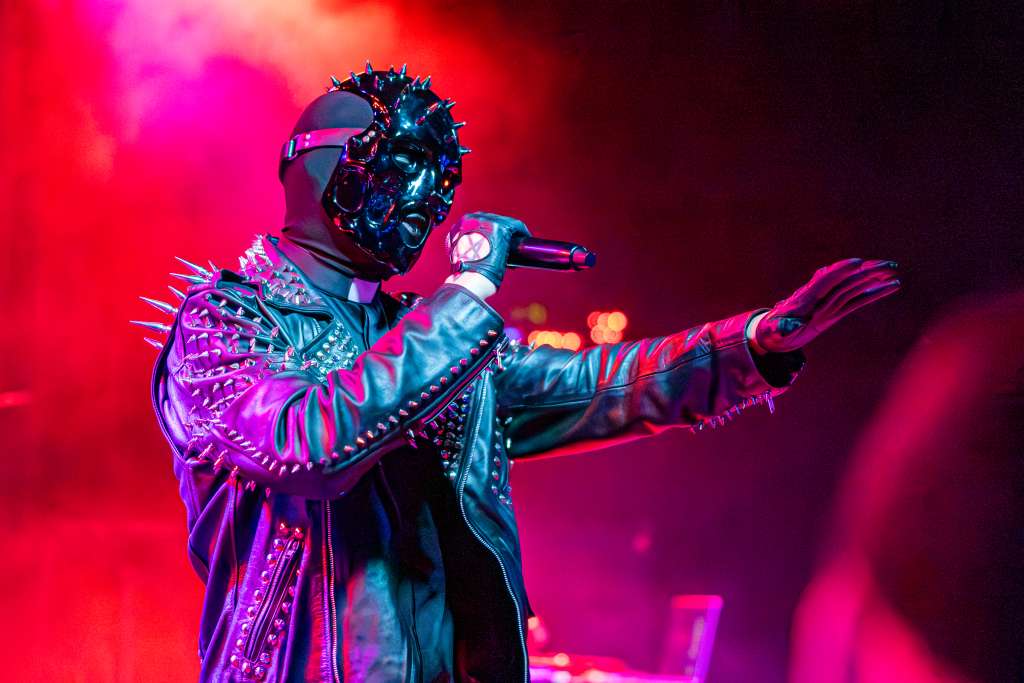
Priest understands presentation in a way that a lot of bands chase and never quite land. The visual identity matters, of course, but it only works because the music backs it up. Live, their sound carried that same icy pulse their records do, but with more body and more tension in the room.
As Mercury stalked the stage and Salt played familiar hooks on the keyboard, you could sense people leaning forward a little more, moving a little more, taking in not just the songs but the entire shape of the performance. Priest didn’t overwhelm the room.
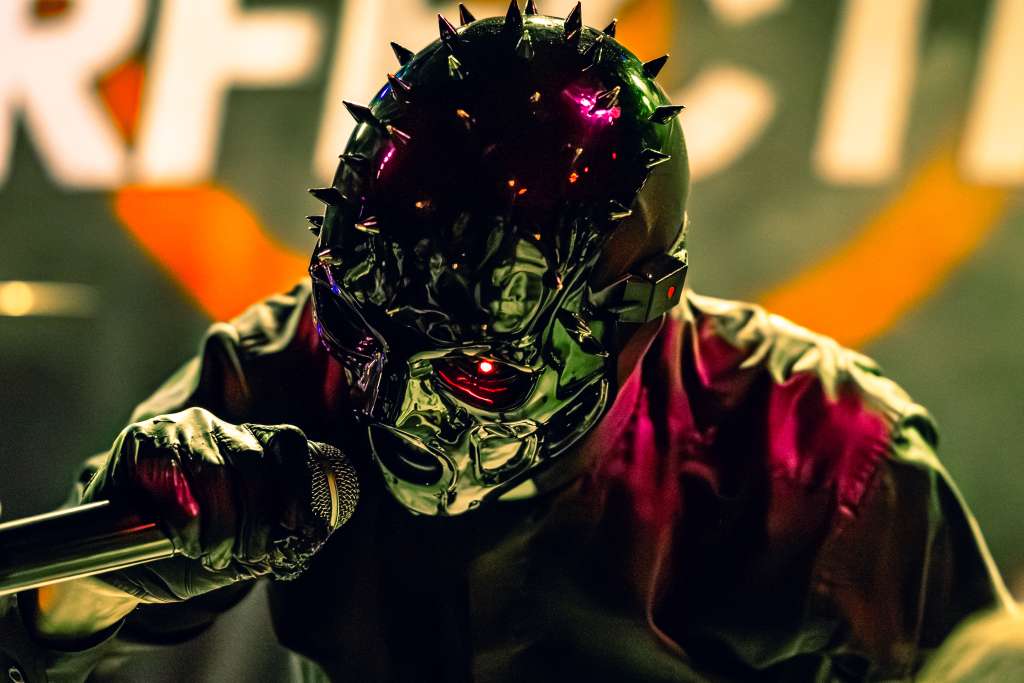
They drew it in. Their set felt deliberate, polished, and confident, slowly increasing tempo until programmer/keyboardist Sulfer was leading the unison jumping with every person in the room.
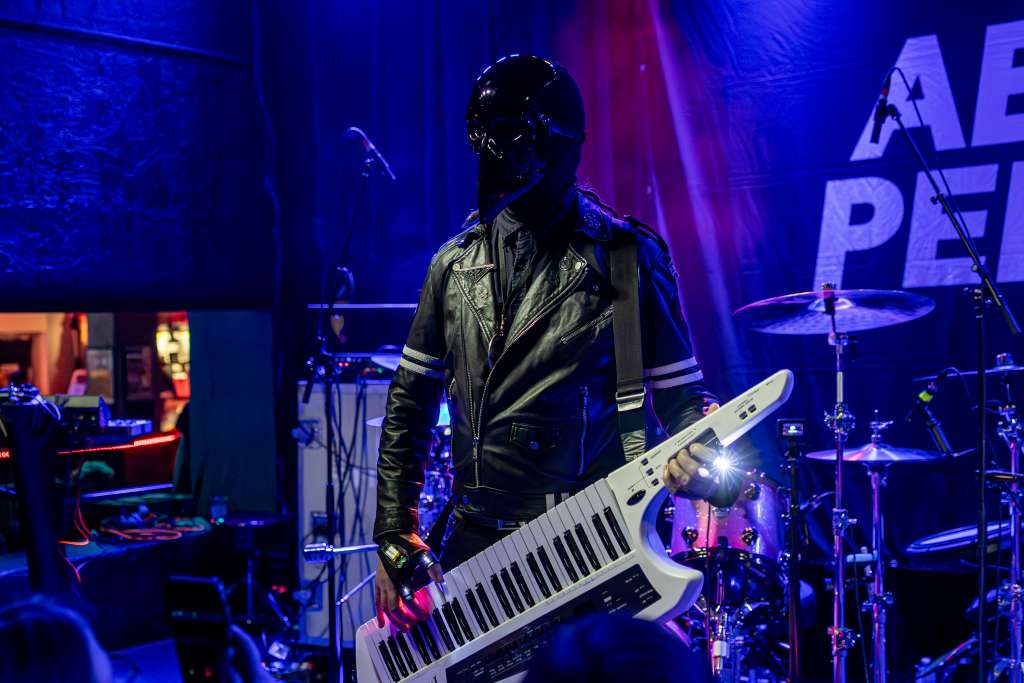
The well-rounded set included crowd favorites from each album such as “The Cross”, “A Signal in the Noise”, “Blacklisted” as well as rarely performed treats like “Neuromancer”. With bands like Priest, there’s a temptation to reduce them to image, but that sells them short. What came across at The Annex was control. They know how to build atmosphere without losing momentum, and they know how to keep a set feeling sharp rather than sleepy. In a lineup full of strong personalities, Priest carved out their own space by being the most refined act of the evening.
Not tame. Refined.
There’s a difference.
Aesthetic Perfection: Industrial Detonation- A Riot Wrapped in a Strobe Light
Aesthetic Perfection had the easiest job on paper and the hardest one in practice: follow three acts that had all done their part and still make the night feel like it had been building toward something. They managed it, shall we say, perfectly?
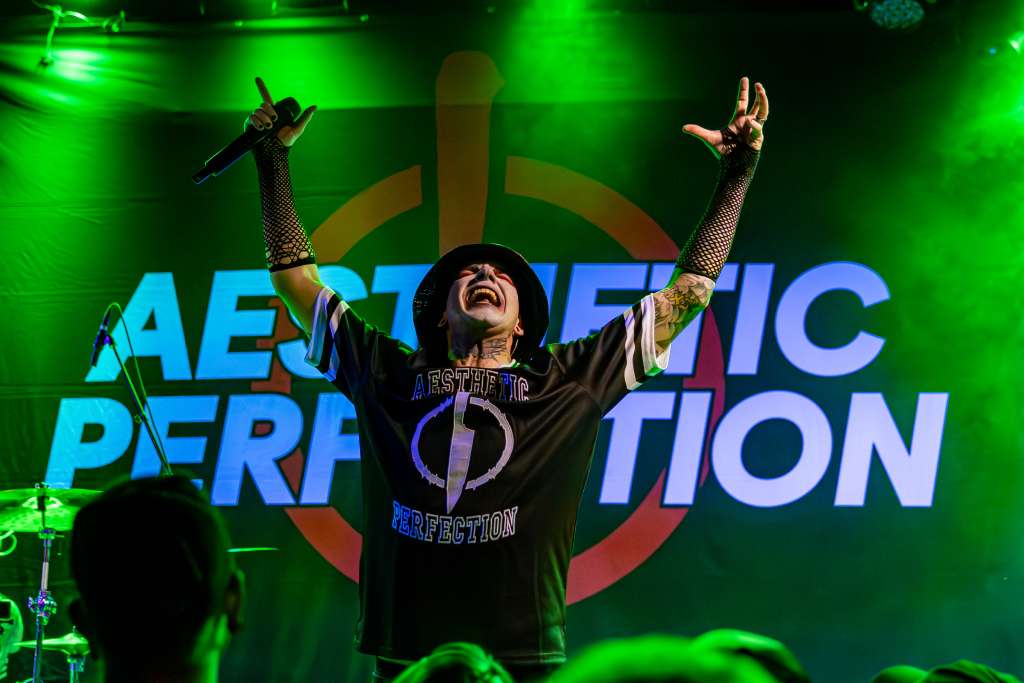
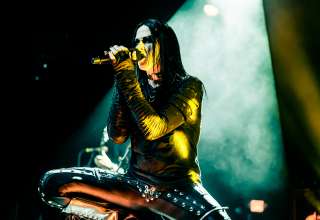
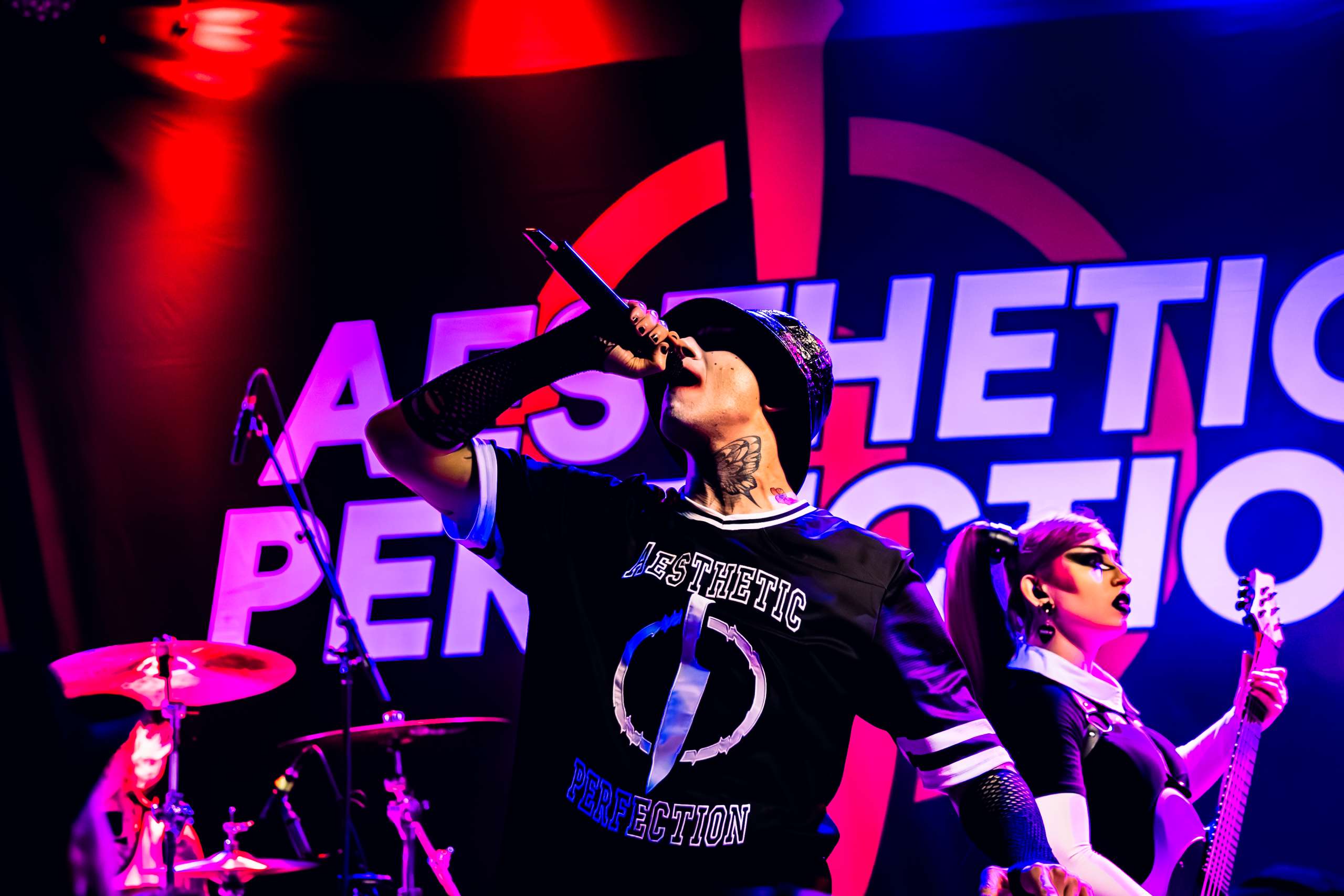
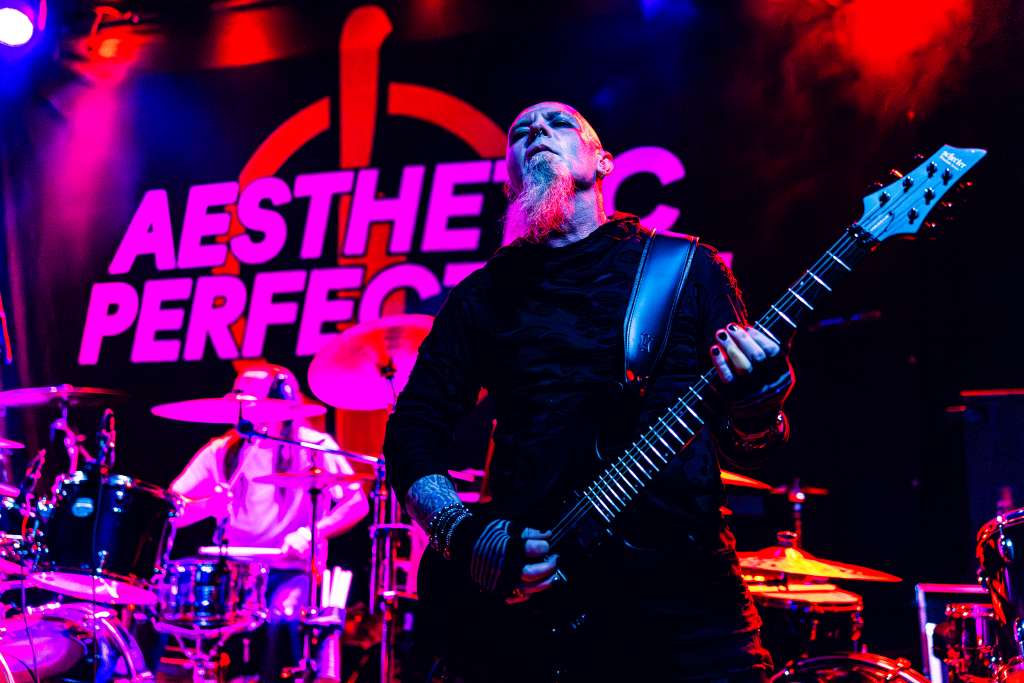
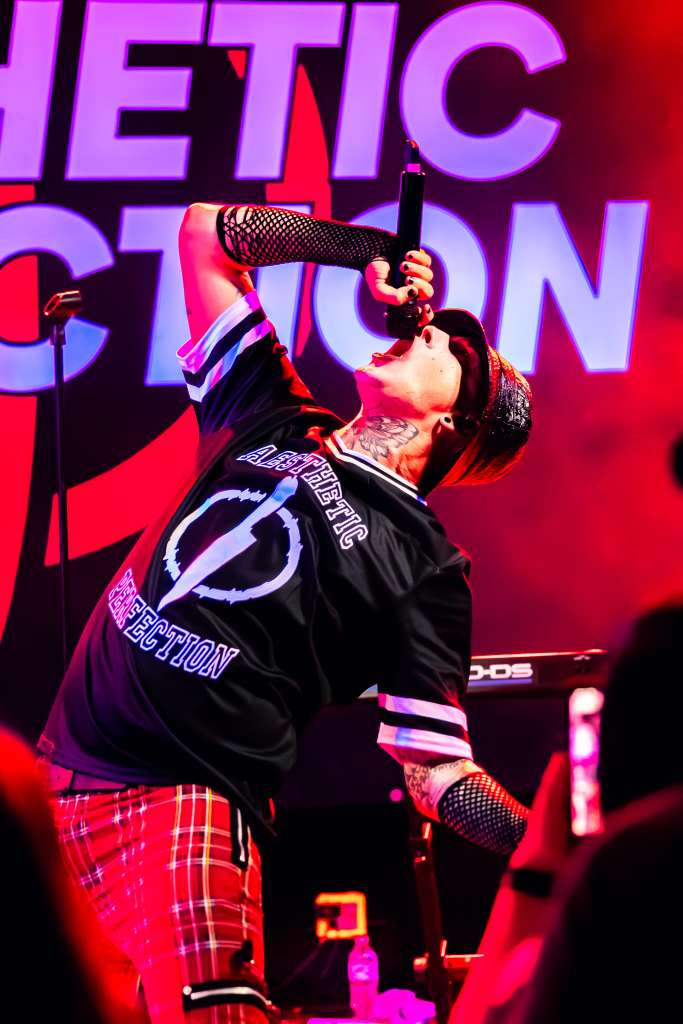
What stood out most in their headlining set was command. Daniel Graves and company know exactly how to work a room like this. Their live show has enough polish to feel tight, enough attitude to feel dangerous, and enough genuine energy to keep it from slipping into cruise control. That combination is why Aesthetic Perfection works so well in a venue of this size.
They didn’t just play to the crowd. They played with it.
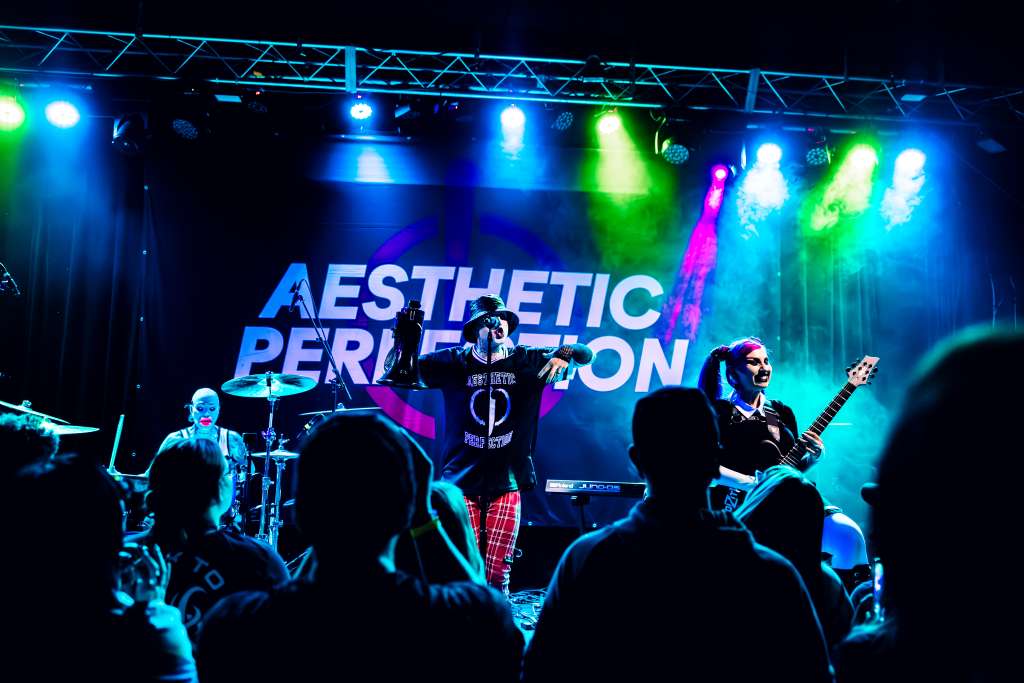
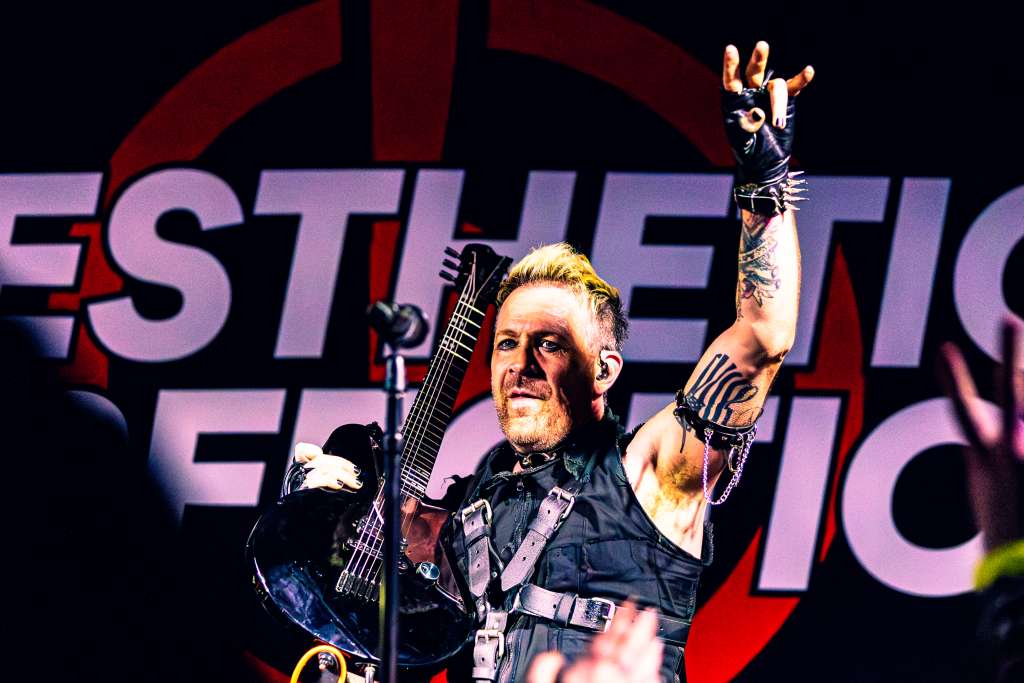
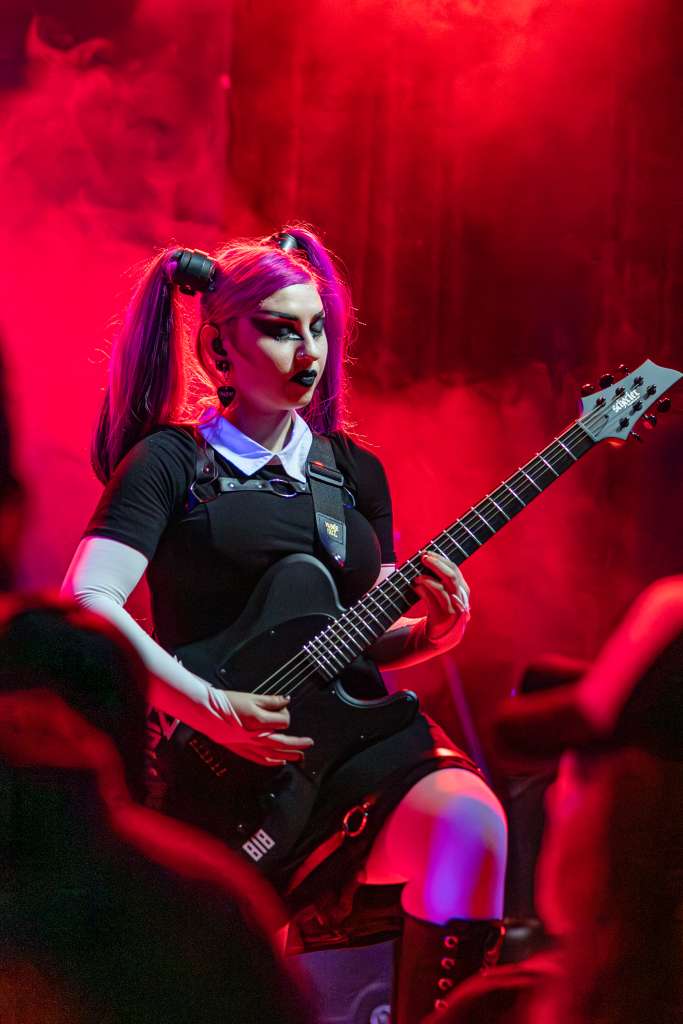
That distinction matters. On guitar, Noizith moved with theatrical precision to draw the audience in while the masked drummer frantically directed movement on the floor. From the opening stretch onward, there was a sense of rhythm between stage and floor, like the whole room had agreed on the same tempo. Aesthetic Perfection’s material is built for that kind of exchange. Building from the vocal forward newer material such as “Sorrow”, pausing for a beach-ball volleying interlude with “Summer Goth” and then transitioning into the growly anger-filled thumping anthems such as, “We Bring the Beat” and “Spit It Out”. The beats hit hard, the choruses clean, and there is always just enough menace around the edges to keep things interesting. Live, that formula turns into something very physical. You feel the songs as much as you hear them.
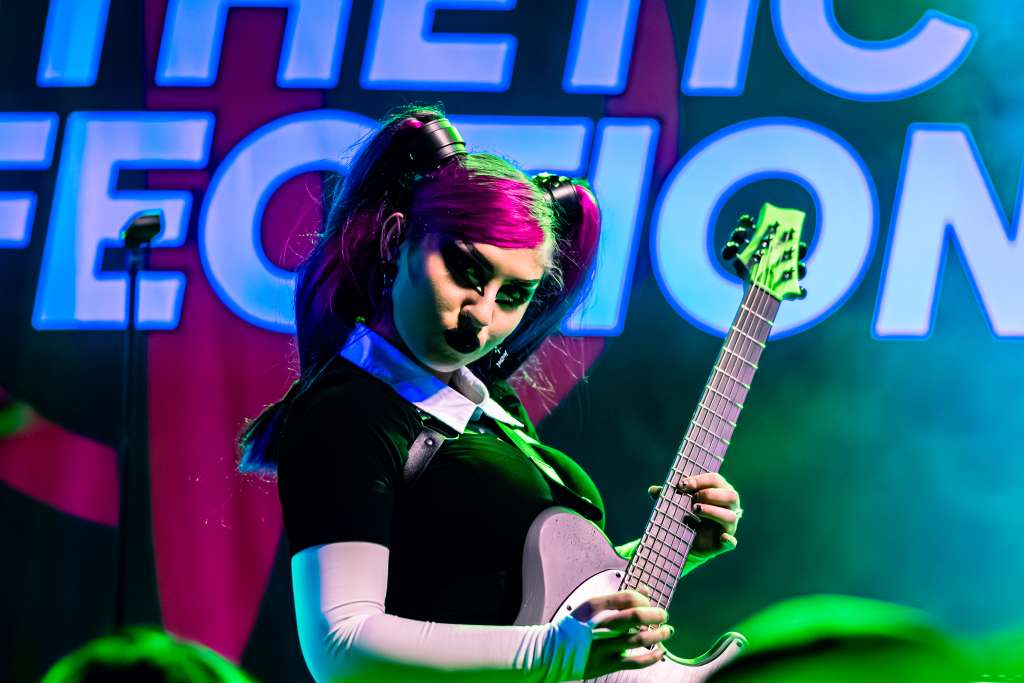
What I appreciated most about their set was that it never got lost in its own sheen. Aesthetic Perfection has style to spare, but the live performance still had grit in it. The vocals had edge, the delivery had conviction, and the whole set moved with purpose. Even at their most polished, they still know how to make the music feel alive rather than merely assembled.
That was the payoff of the whole evening.
Lockjaw brought the punch. Julien-K brought the rush. Priest brought the poise. Aesthetic Perfection pulled all of it together and sent the crowd home buzzing.
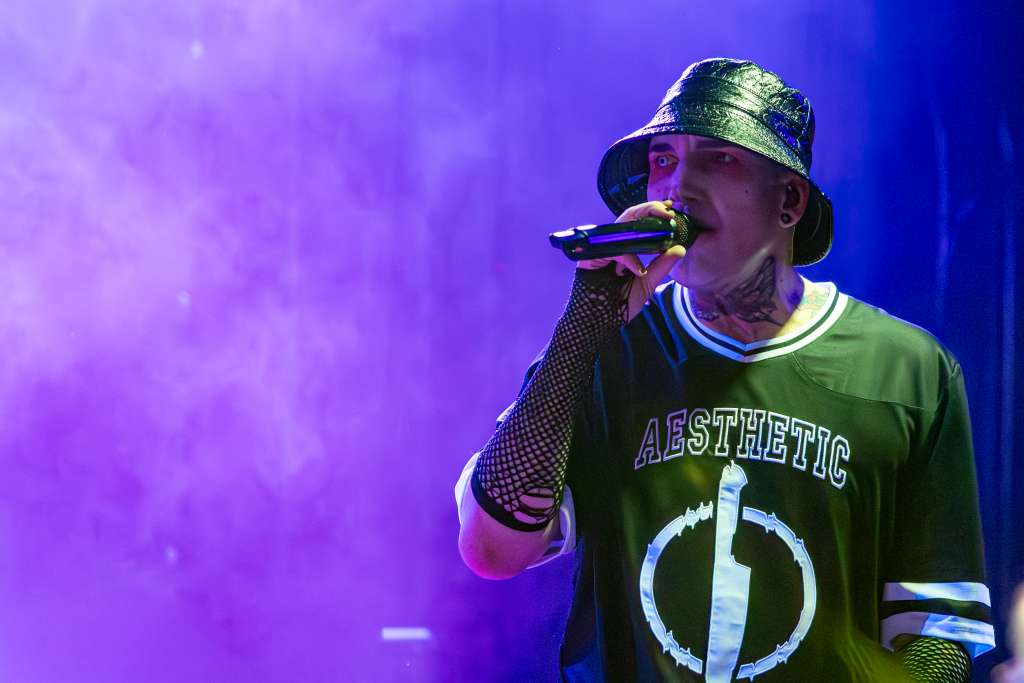
What made this show memorable was not just that each band was good. Plenty of bills have one or two strong sets. What made this one stand out was that the lineup actually functioned as a complete arc.
That is rarer than it should be.
Too often, multi-band nights feel like playlists thrown together by logistics rather than taste. This one felt curated. Each act had its own identity, but each also added something the next band could build on. The result was a night that kept evolving without losing cohesion.
The Annex deserves some credit there too. The venue gave the whole show the kind of closeness that suits industrial, darkwave, and electro-rock especially well. These genres thrive on immersion. They need the low-end to be felt. They need the lights and bodies and volume to live in the same tight space. The room helped turn what could have been a solid package tour stop into something more personal.
That’s what stayed with me after the show.
Not just individual songs or standout moments, though there were plenty of those. It was the feeling of a night that kept building and never really plateaued. Every band had a role. Every set contributed something. By the end, the crowd wasn’t just watching a concert anymore. It had gone through the whole arc with them.
That’s the kind of show people remember a week later when they’re still talking about who surprised them most, who owned the room, and which set pushed the night into another gear.