Review & Photography by Manny Manson for MPM
The walk through the doors, past the merch in the downstairs room at KK’s Steel Mill has an intense inevitability, this is the smaller intimate stage, this is where the faithful come to pay homage through hail, rain, sleet, or snow. This is where a partisan crowd collects and it already setting the tone before the first band has finished setting up there set. It’s tighter, lower, and more immediate than the main hall upstairs, with the ceiling and walls working against the sound in a way that keeps everything concentrated rather than dispersed.
That matters tonight because Tooth & Dagger, (formed in 2022),a local band from the Black Country, are here to prove that they don’t rely on space or theatrical build, they rely on impact, repetition, and weight delivered at close range. The band’s lineup, history and discography isn’t widely documented in any detail, with being so fresh; however, the band are:- Danté on Vocals, Ian on Guitar, Dale on Lead Guitar, Lucinda on Bass and Vocals and Callum Lees on Drums, but their live identity is clear: a compact unit built around riff-driven guitars, a solid low-end foundation, and vocals that sit aggressively in front of the mix rather than above it. Their approach aligns with underground metal and hardcore traditions with flashes of EDM undertones, it’s less about individual flash, and more about collective force.

They open with “Influence”, a mid-tempo track that immediately establishes their sonic identity. The guitar tone is thick and down-tuned, with a palm-muted riff that cycles with deliberate repetition. The rhythm section locks tightly underneath it, the drums emphasizing a steady, grounded pulse rather than fills or embellishment. The bass reinforces the guitar’s low end, creating a dense foundation that fills the room quickly despite the venue’s modest size. Vocally, the delivery is raw and direct, leaning into shouted phrasing that cuts through the instrumentation. There’s no dramatic build, just immediate presence. In the room, people begin to nod along almost instinctively, responding to the groove rather than reacting to any specific moment.

This is followed by“Survive” (Single, 2025), which increases the sense of urgency slightly. The riffing becomes more rhythmically active, with sharper accents and tighter transitions between sections. The guitars alternate between chugging patterns and more open chord hits, creating contrast within the track’s structure. The drums follow closely, reinforcing those accents with snare hits that align precisely with the guitar rhythm. Vocals push harder here, with phrasing that feels more compressed and urgent. The crowd begins to shift from passive observation into light movement, space opens subtly as a pit begins to form, reflecting the increased tempo and energy of the track.

“Tooth and Dagger”, an obvious self-named track and possible album title? brings the band’s core identity into sharper focus. The riff here is slower, heavier, and more sustained, allowing each note to carry weight rather than relying on speed or variation. The guitars hold longer chords, letting the distortion and tuning do the work of filling the space. The bass is more prominent in this track, reinforcing the low frequencies and adding depth to the sustained notes. The drums maintain a deliberate, almost marching pace, giving the riff room to breathe while anchoring it rhythmically. Vocals are delivered with added intensity, each line landing squarely on the beat. The crowd’s movement slows slightly here, not out of disengagement, but because the tempo demands a different kind of response. It’s less about motion and more about absorption.
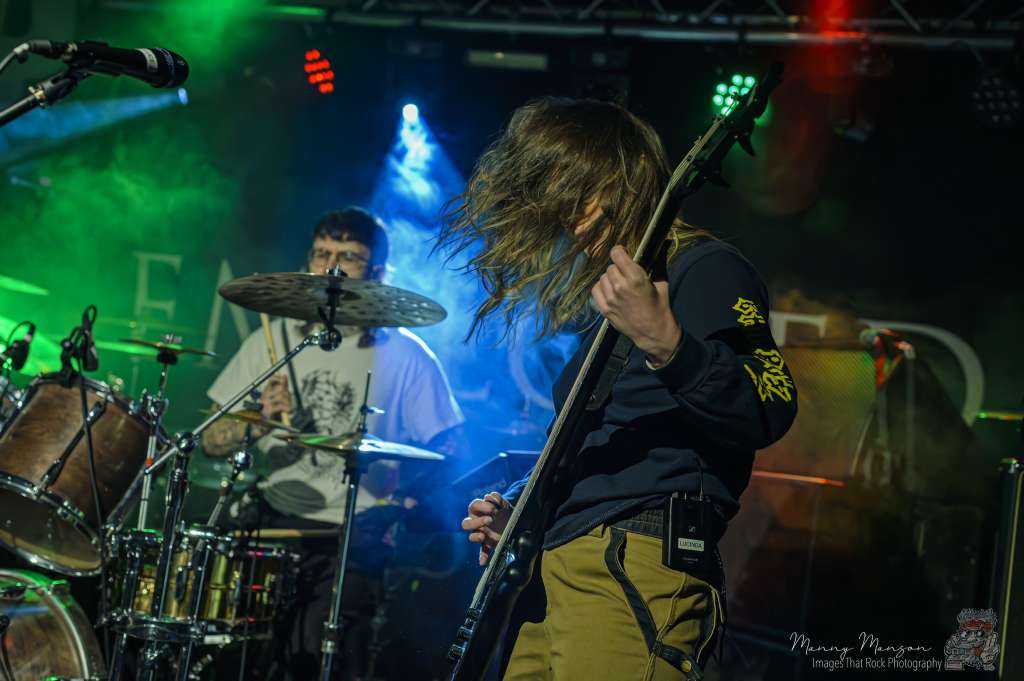
The 2025 single,“Ego” introduces more variation within the band’s established framework. The riff structure incorporates subtle shifts in timing and emphasis, creating a sense of movement without abandoning the core groove. The guitars alternate between tighter, percussive chugs and slightly more open phrasing, while the drums add small transitional fills that guide the track between sections. Vocally, there’s a noticeable push in delivery, phrases are extended slightly, with more emphasis placed on certain words to match the dynamic changes in the instrumentation. In the room, the crowd becomes more visibly engaged, with movement increasing as the track develops. This is where the set feels fully underway, with both band and audience locked into each other’s energy.

“A.T.T.A.S” (Single, 2024) closes the set on an unresolved and somewhat enigmatic note. The track itself moves through shifting riff patterns that resist settling into a single repetitive groove. The guitars move between tightly controlled chugging sections and more open, ringing chords that introduce contrast. The rhythm section follows these changes closely, adapting the pacing of the drums to match the transitions in the guitar work. Vocals remain aggressive but feel slightly more exploratory in their phrasing, suggesting a track that is still evolving in its identity. The absence of a clearly defined meaning behind the acronym adds to that sense of ambiguity, I’m told it may be revealed sometime in the future. The performance ends without a dramatic finale, no extended outro, no exaggerated pause, just a clean stop that leaves the room ready for what comes next rather than concluding the moment definitively.
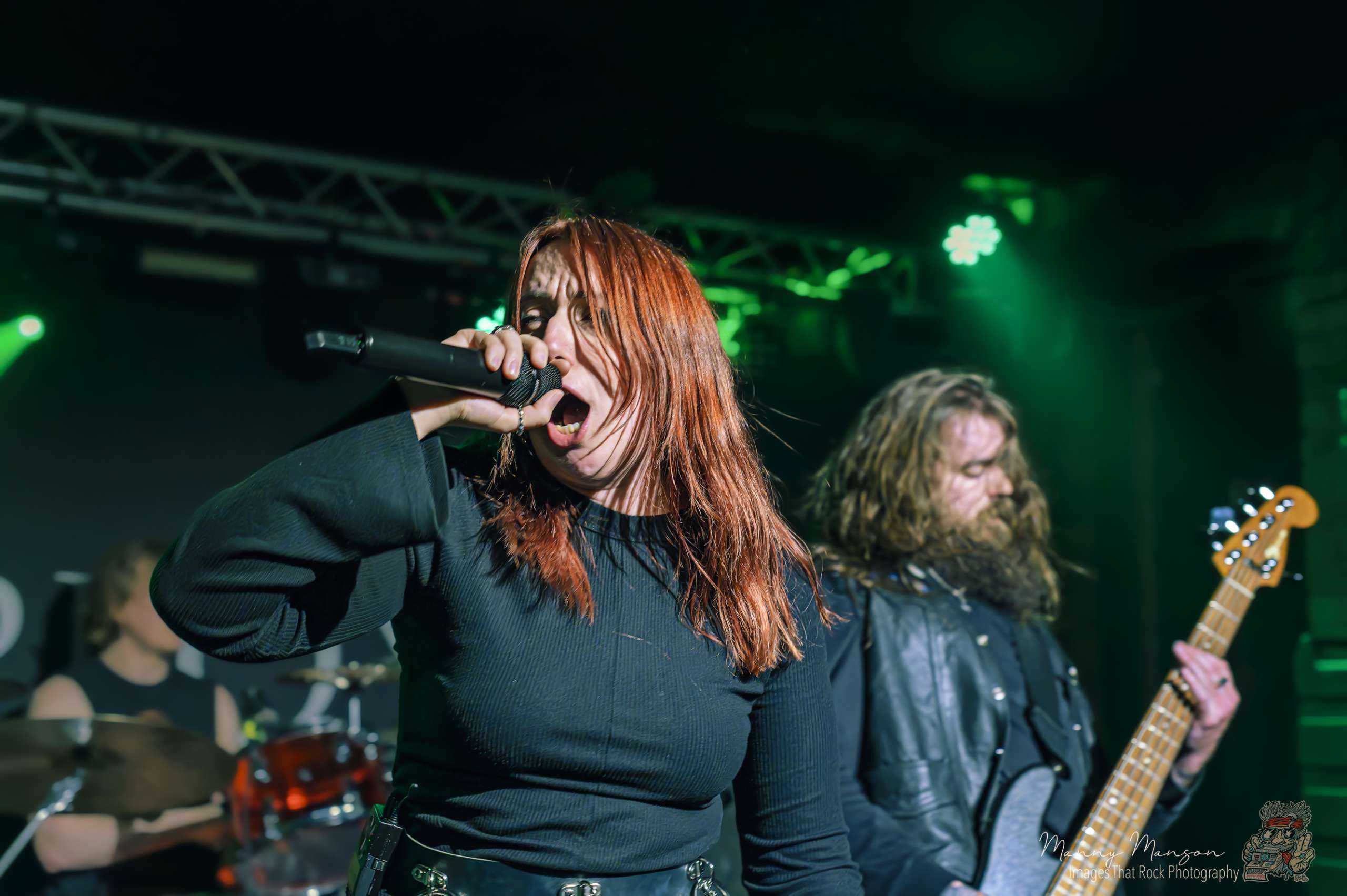
By the time Cage Fight take the stage, the room has already been compressed by Tooth & Dagger’s set. The energy is present but contained, and Cage Fight immediately disrupt that balance. Their sound is faster, sharper, and more volatile, built around hardcore foundations that prioritise aggression, pace, and breakdown-driven dynamics. The presence of Rachel Aspe at the front defines much of their live identity, her vocal delivery is extreme, controlled, and physically projected in a way that matches the intensity of the instrumentation, rooted in extreme metal and hardcore technique. Cage Fight are an Anglo-French accumulation of musicians, based in London. Formed as little more than a bedroom project by guitarist Monteith and ex bassist Jon Reidto release some frustrations. With further additions the band are:- Rachel Aspe on Vocals, James Monteith on Guitar, Will Horsman on Bass and Nickolas Scott Plews (aka Baron Von Plews) on drums. The band where completed in 2021 and are now quoted by their record label as being “one of the most furious and angry Hardcore bands to emerge from the UK in years”….
The band operates as a tight unit, with the guitar focused on rhythmic precision, bass reinforcing the low-end weight, and drums driving the tempo with a mix of speed and controlled breakdowns. Their material, drawn from their releases Cage Fight (2022), and Exuvia (2026) reflects a modern hardcore approach with metallic influence, blending speed with structurally heavy sections, and not forgetting the frustrations relentlessly released.
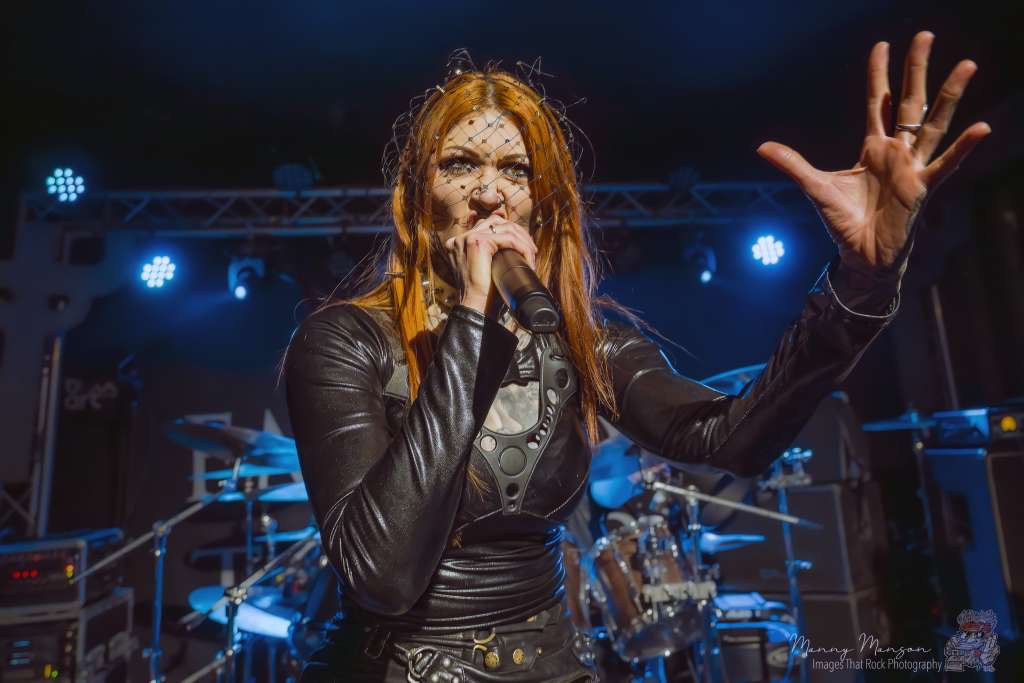
“One Minute” (Cage Fight, 2022), opens the set with immediate urgency. The riff is fast, tightly palm-muted, and rhythmically locked to the drums, which push forward with double-time intensity. The vocal delivery is short, clipped, and aggressive, matching the track’s pace rather than sitting above it. There’s no buildup—the song starts already at full pressure. In the room, movement begins almost instantly, with the pit forming as people respond to the tempo rather than any visual cue. “Respect Ends” (Cage Fight, 2022), another from the debut album, continues the momentum but introduces slightly more structure within the riffing.
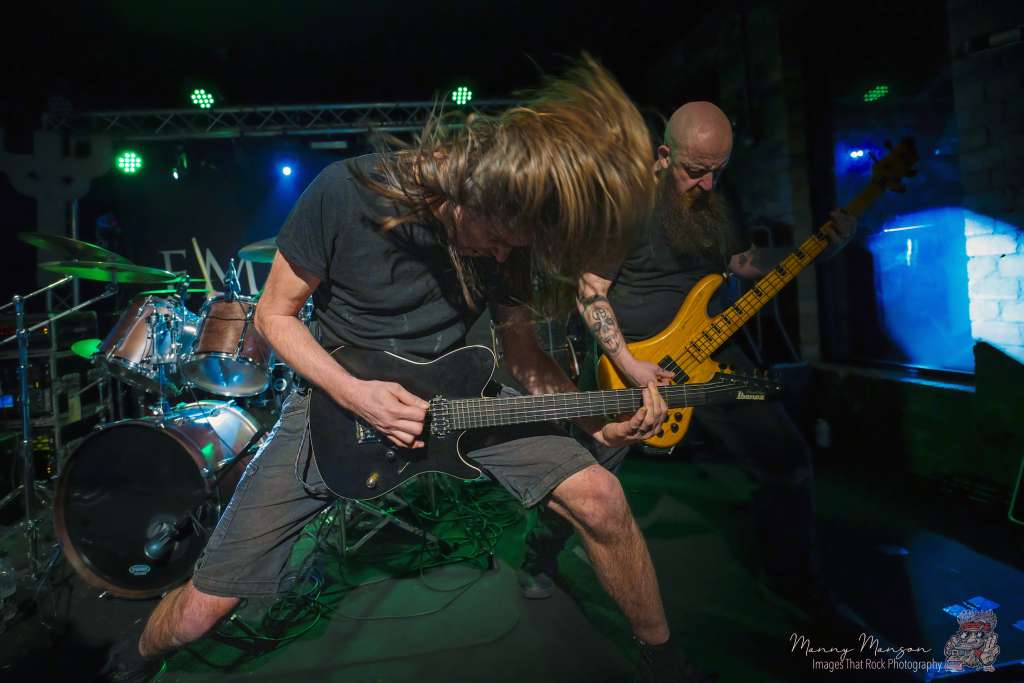
The guitars alternate between rapid chugging and brief open accents, creating contrast within the same rhythmic framework. The drums maintain a consistent drive, with snare hits cutting sharply through the mix. Vocals remain forceful, with phrasing that aligns closely to the guitar rhythm. The crowd’s movement becomes more defined here, less scattered, more coordinated as the track settles into its groove.
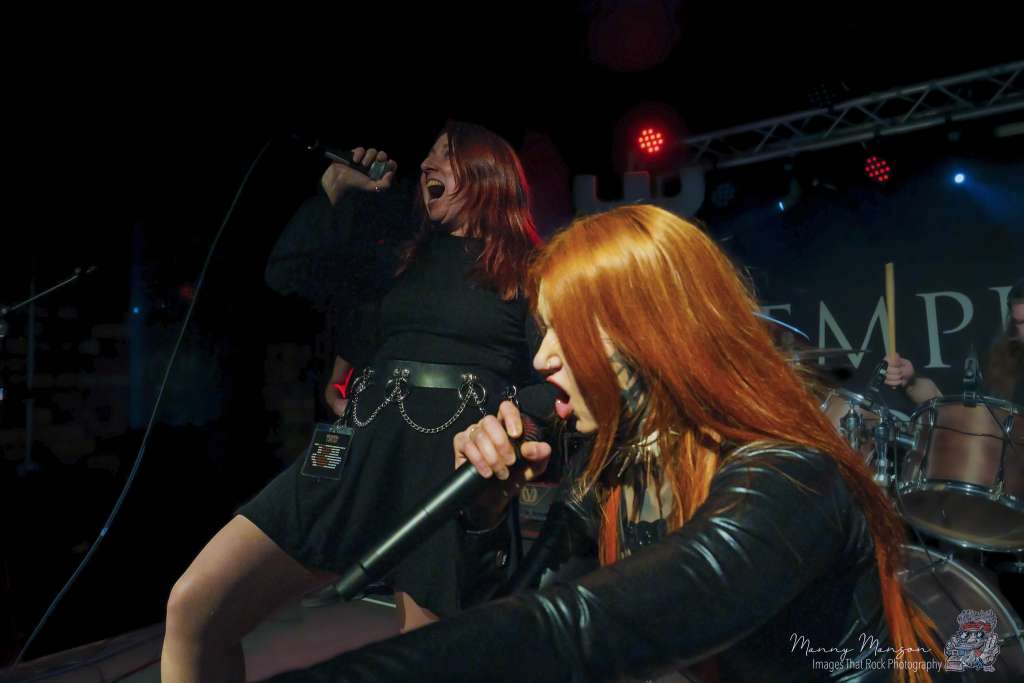
“Pig” from the latest album out May 1st (Exuvia, 2026, & Single 2025), shifts the dynamic of the set significantly with the arrival of Justine Jones joining Rachel on stage. The track itself leans into a heavy, groove-based riff, slower than the opening numbers but no less intense. The dual vocal presence creates a layered effect, Rachel’s harsher, more guttural delivery contrasts with Justine’s more structured projection. The guitars maintain a chug-heavy foundation, while the drums anchor the breakdown sections with deliberate pacing. The interaction between the two vocalists gives the track added depth, and in the confined downstairs room, the effect is immediate and clearly audible.
The crowd reacts strongly, recognising the moment as a crossover rather than a novelty. Written on the setlist as Souvenir, but with a bit of research I find “Un Bon Souvenir” which is another track from (Exuvia, 2026, & Single 2026), returns to faster pacing, with tighter riffing and more rapid transitions between sections. The guitars emphasize rhythmic precision, while the drums maintain forward momentum without overcomplicating the structure. Vocals are delivered with consistent intensity, maintaining the same aggressive tone throughout. The crowd resumes more active movement, with the pit reopening and expanding slightly as the tempo increases.
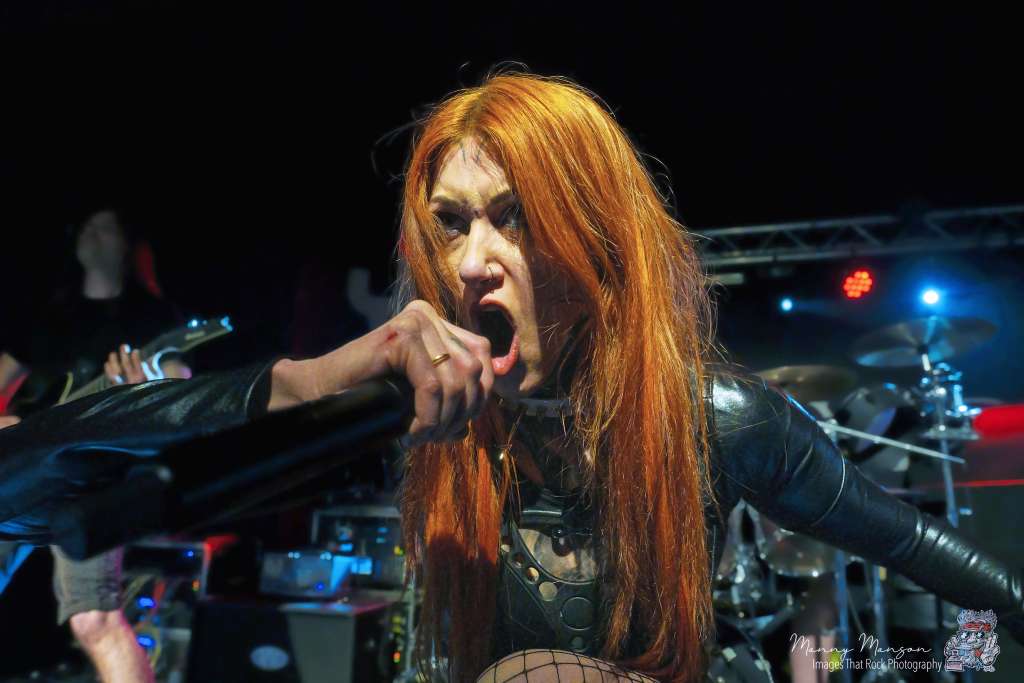
“Guillotine” (Cage Fight, 2022), now introduces a more stop-start riff structure, with abrupt transitions between sections. The guitars alternate between tight chugs and sudden pauses, creating tension within the rhythm. The drums mirror this structure with controlled stops and re-entries, reinforcing the pacing of the track. Vocals follow the same pattern, cutting in sharply rather than flowing continuously. The crowd responds with bursts of movement that match the stops in the music. “Pick Your Fighter” (Exuvia, 2026), continues the theme of rhythmic variation, with a riff that leans into groove rather than pure speed. The bass becomes more noticeable here, reinforcing the low-end weight of the track. The drums maintain a steady pulse, allowing the guitars to shift between rhythmic accents and sustained chugs. Vocals remain aggressive but slightly more measured in phrasing. The crowd’s movement becomes heavier, less frantic, more grounded in the groove.
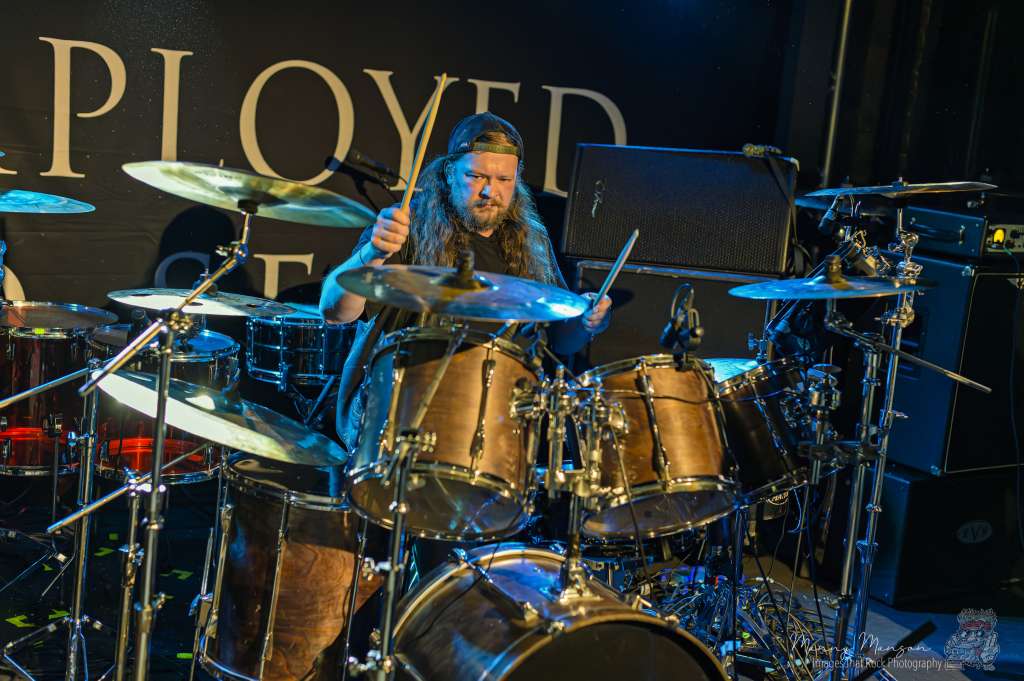
“I Hate Your Guts” (Exuvia, 2026, & Single 2025), brings the intensity back up. The riff is faster and more direct, with minimal variation between sections. The drums drive the track forward with consistent double-kick patterns, and the guitars lock tightly into the rhythm. Vocals are delivered with heightened aggression, emphasizing the confrontational tone of the track. The pit reacts accordingly, with movement becoming more chaotic and less contained. “Eating Me Alive” (Cage Fight, 2022), follows with a blend of speed and breakdown-driven structure. The riff alternates between rapid passages and slower, heavier sections, allowing for shifts in energy within the track. The drums adjust accordingly, maintaining speed during the faster sections and dropping into heavier pacing during breakdowns. Vocals follow the transitions closely, adapting phrasing to match the changes in tempo. The crowd moves between bursts of activity and heavier, slower engagement.
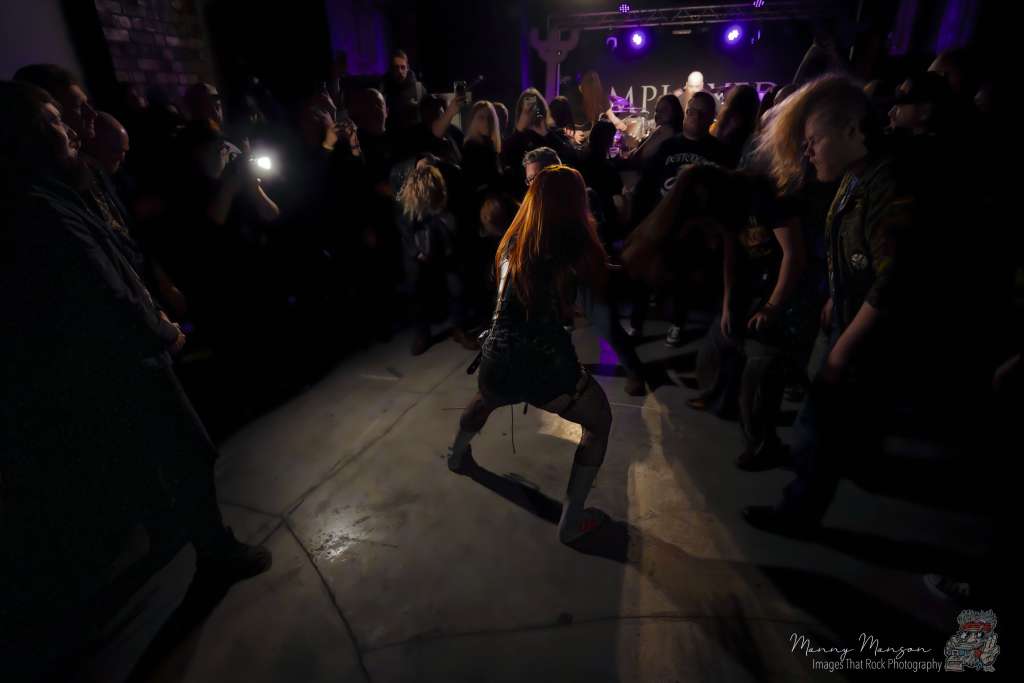
“Hope Castrated” (Cage Fight, 2022, & Demo Version Single 2021)closes the set in a distinctive way. The track begins with a familiar intensity but reaches its defining moment when Rachel moves into the middle of the circle pit to deliver vocals from within the crowd. The guitars and drums continue the track from the stage, maintaining a steady, aggressive foundation while Rachel’s position in the room collapses the distance between performer and audience. The vocals project outward from the centre, and the pit forms around her, rotating as she performs.
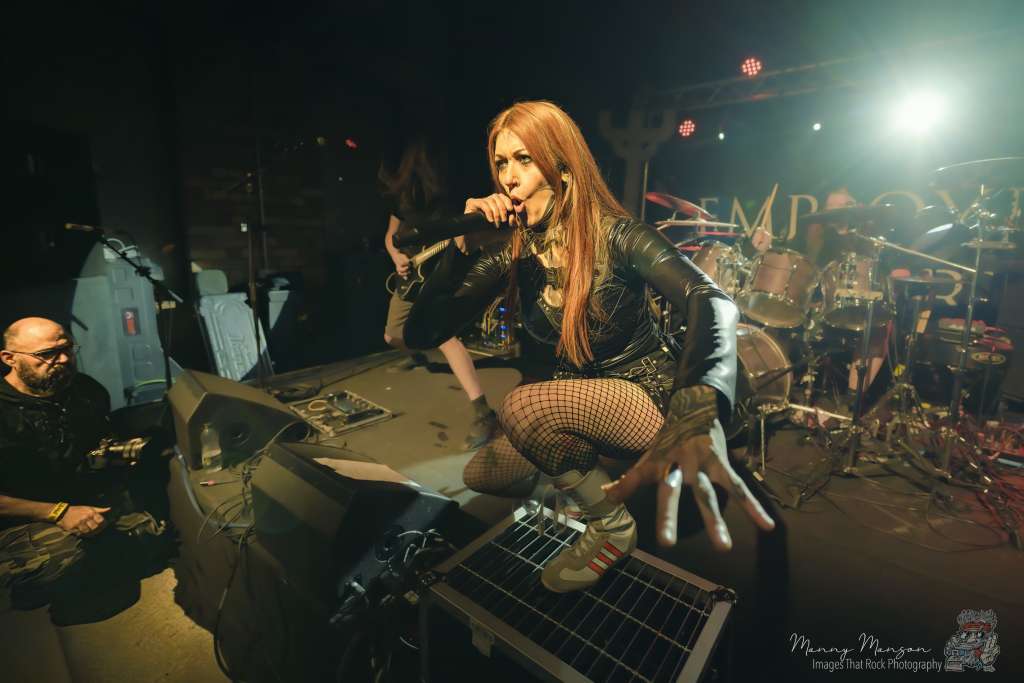
The band holds the structure from the stage while the focal point of the performance shifts physically into the crowd. By the end of the track, the energy peaks and disperses naturally, without embellishment or extended outro. The set ends as directly as it began, high intensity, no padding, no pause.
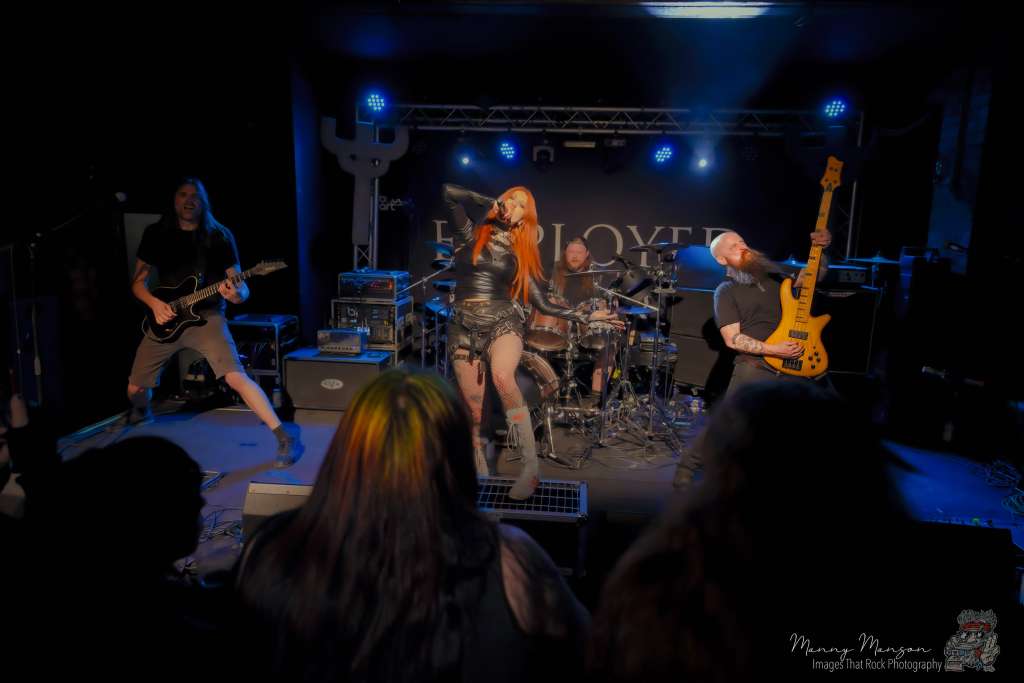
Then, finally, it’s time for the Woking band described as Hardcore/Hardcore Punk (and a new genre to me, Mathcore), Employed to Serve take to the stage. Formed in 2012 the band have toured extensively, supported many a big name such as Gojira and Killswitch Engage, and have appeared on the line up of many a summer festival; both home and overseas. The Fallen Star album tour continues in Europe in late July. They appear with a confidence that feels earned rather than performed. The lineup anchored around Justine Jones on vocals and Sam Urwin on guitar has, over the years, moved from a more chaotic hardcore origin into something far more structured, with their later records The Warmth of a Dying Sun (2017), Eternal Forward Motion (2019), and Conquering (2021) marking clear steps in both production clarity and compositional control. The rest of the band are:- David Porter on Guitar, Nathan Pryor on Bass and Casey McHale on drums.
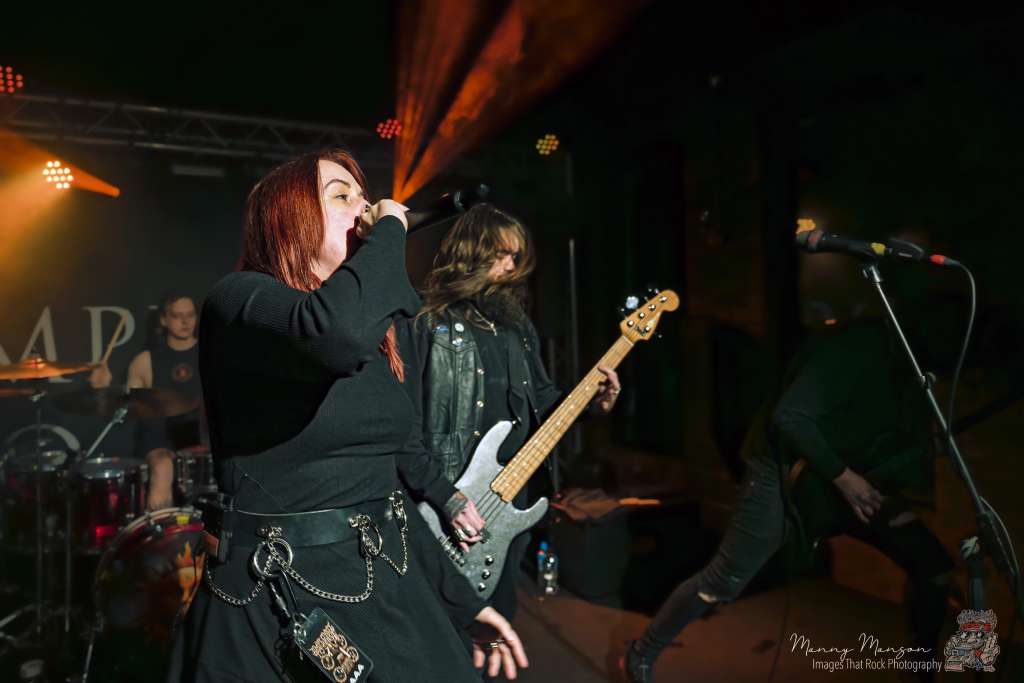
Unlike the raw immediacy of Cage Fight before them, Employed To Serve operate with intent and pacing. Their sound isn’t about constant attack, it’s about how they build, release, and reshape heaviness across a set.
“Treachery” (Fallen Star, 2026) opens with a tight, chug-heavy riff that immediately locks into a precise rhythmic pocket. The guitar tone is thick but controlled, with each palm-muted strike landing cleanly against the snare. The drums sit slightly behind the guitars in feel, giving the riff space to breathe rather than crowding it. Justine’s vocal delivery is measured but forceful—less about raw abrasion, more about articulation and control within aggression. In the room, the response is immediate but contained; heads nod, feet move, but it’s not chaotic yet—this is a band asserting structure rather than chaos. “Atonement” (Fallen Star, 2026) introduces a more melodic sensibility. The verses maintain a tight rhythmic base, but the chorus opens into broader chord voicings and a slightly lifted vocal line. The contrast between sections is more pronounced than in the opener, and that dynamic shift is reflected in the crowd’s movement—there’s a noticeable lift when the chorus hits, followed by a return to grounded energy in the verses. The guitars here feel more expressive, less percussive, with subtle layering adding depth to the overall sound.
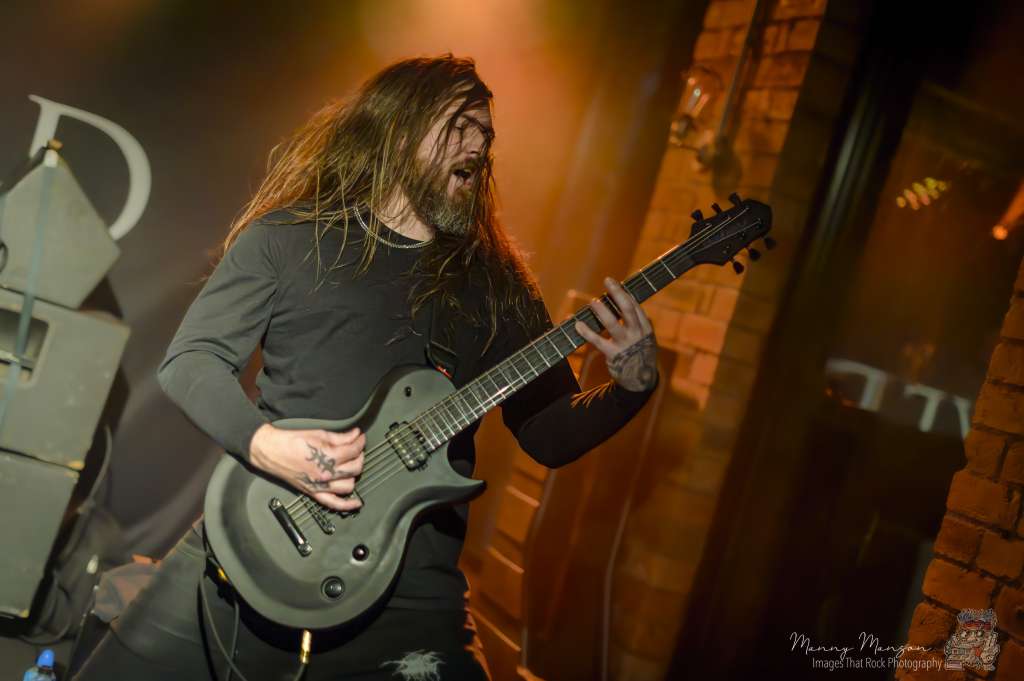
“Beneath It All” (Eternal Forward Motion, 2019) slows the pace and leans into atmosphere. The guitars sustain more, allowing notes to ring rather than cutting them short, which creates a more expansive sonic field within the confines of the room. The bass becomes more audible in this track, reinforcing the low end and filling the gaps between guitar phrases. The drums remain restrained, focusing on consistency rather than embellishment. Justine’s vocals carry a slightly more open tone here, matching the broader structure of the track. The crowd settles into this one rather than reacting to it, absorbing the weight rather than pushing against it. “Sore Tooth Twin” (Greyer Than You Remember, 2015) marks a shift back toward their earlier, more aggressive roots. The riffing is faster and more direct, with less emphasis on layering and more on immediacy. The transitions between sections are sharper, almost abrupt, giving the track a raw edge that contrasts with their later, more refined work. Vocals are harsher in tone, with less restraint and more bite in the delivery. The rhythm section follows suit, driving the track forward with urgency rather than control. The circle pit responds accordingly, movement becomes more active, less contained.
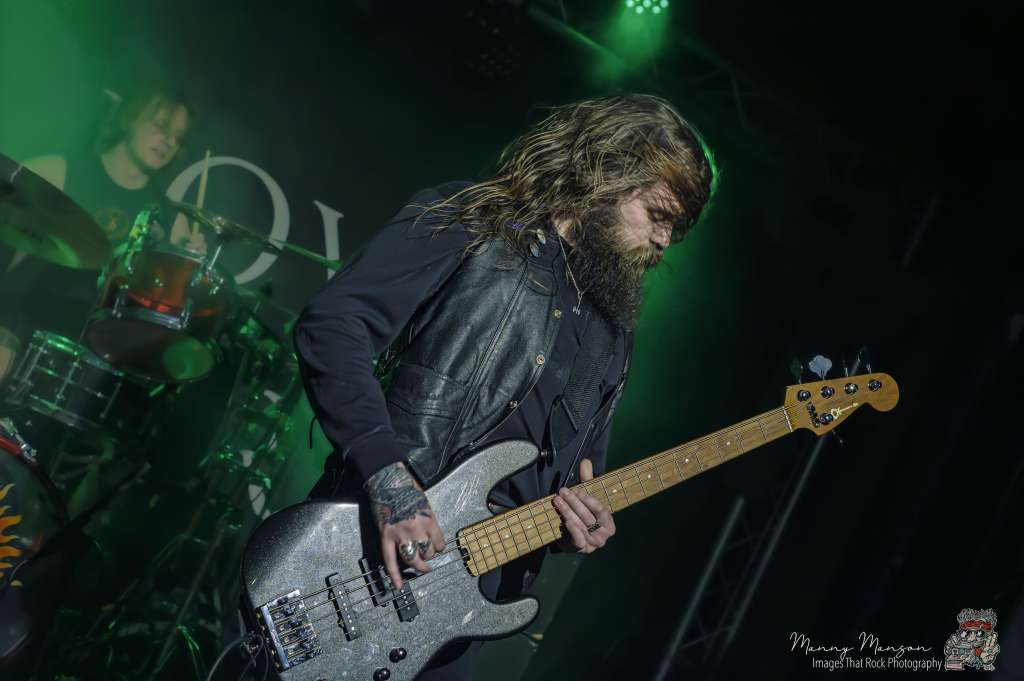
“Force Fed” (Eternal Forward Motion, 2019) introduces a cyclical groove that becomes the backbone of the track. The riff repeats with slight variation, creating a hypnotic effect that the drums reinforce through steady, unbroken pacing. The bass is particularly important here, locking in beneath the guitar to give the groove additional weight. Vocally, the phrasing aligns closely with the rhythm, almost percussive in its timing. The crowd settles into the loop of the track, movement synchronising with the repetition rather than breaking away from it. “Fallen Star” (Fallen Star, 2026) brings a more layered dynamic structure. The track alternates between heavier, tightly riffed sections and more open, melodic passages. The guitars shift between rhythmic chugging and more sustained chord work, giving the track a sense of movement across its runtime. The drums adapt to these changes, tightening during heavier sections and loosening slightly during the more open parts. Justine’s vocal performance mirrors this dynamic, with phrasing that adjusts to the energy of each section rather than maintaining a single tone throughout. The crowd’s response reflects these shifts, with increased movement during heavier sections and a more subdued presence during the transitional moments.
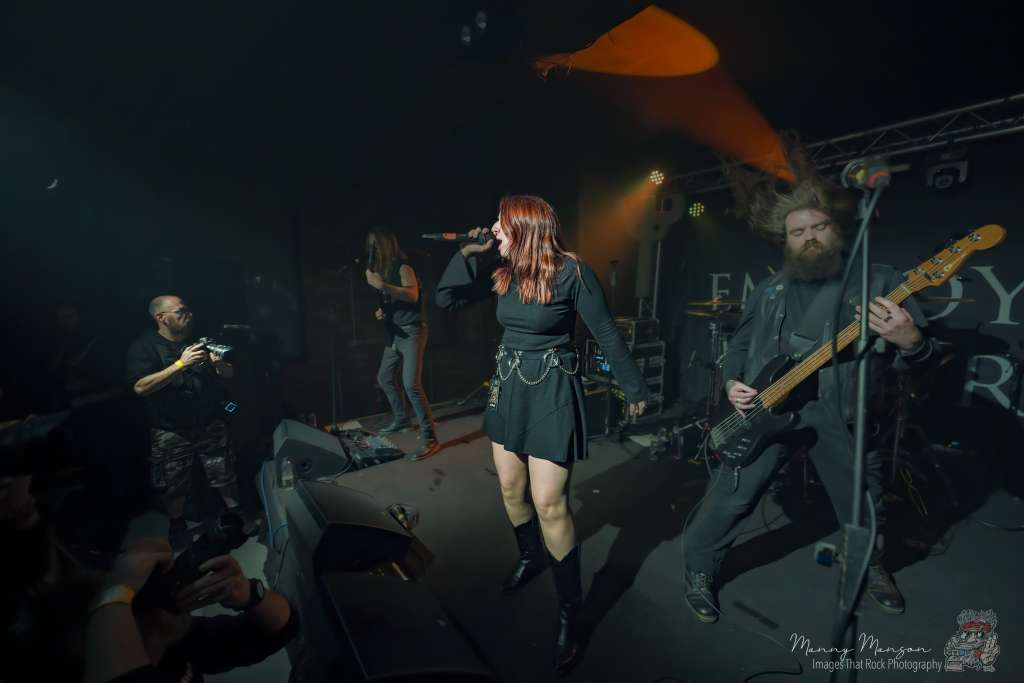
“Sun Up to Sun Down” (Conquering, 2021) maintains forward momentum through groove rather than speed. The riff has a rolling quality, supported by a consistent drum pattern that avoids overcomplication. The guitars and bass work together here to create a unified low-end push, while the vocals sit firmly within the structure of the track. The effect in the room is steady rather than explosive, people are moving, but in a controlled, rhythmic way rather than reacting to sudden changes. “Familiar Pain” (Fallen Star, 2026) tightens the structure again, bringing back a more direct, riff-focused approach.
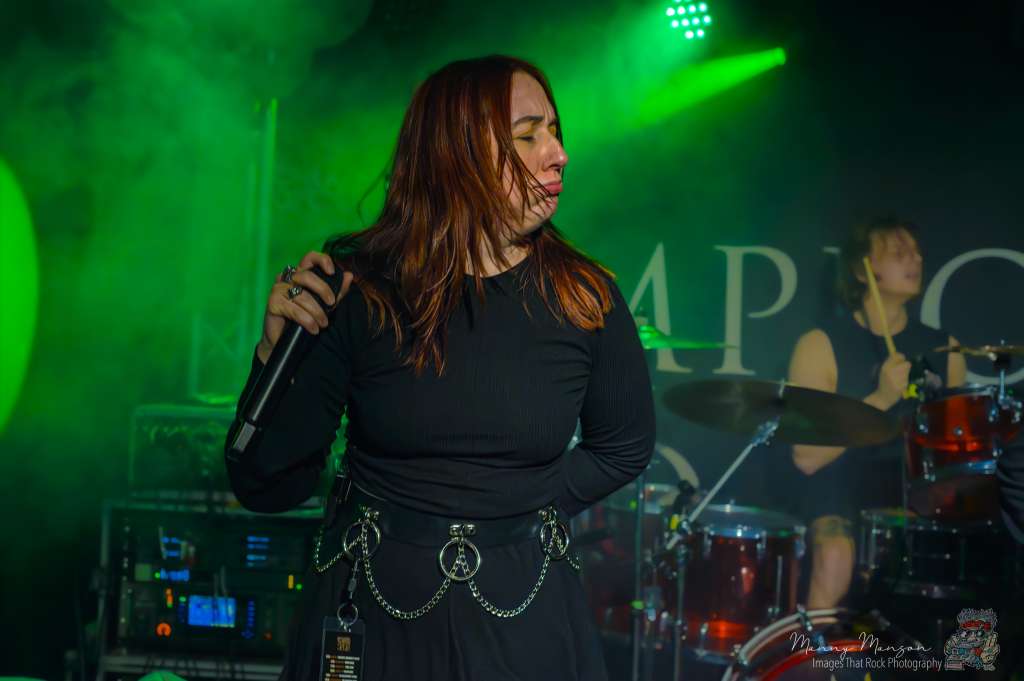
The transitions are clean and efficient, with minimal excess between sections. The drums reinforce this by staying locked to the core rhythm without deviation. Vocals are delivered with clarity and emphasis, cutting through the instrumentation without relying on distortion or layering. “Good for Nothing” (The Warmth of a Dying Sun, 2017) continues in a similar vein, though with subtle variations in guitar phrasing that prevent repetition from becoming static. The riff evolves slightly as the track progresses, and the rhythm section follows those changes closely. The crowd maintains engagement without dramatic shifts in movement, reflecting the consistency of the track’s structure. “We Don’t Need You” (Eternal Forward Motion, 2019) introduces a more declarative tone. The chorus sections are more open, designed to be responded to, and the crowd reacts accordingly. The verses remain tight and controlled, providing contrast that makes the chorus feel more expansive. Vocally, Justine leans into this contrast, delivering the chorus with a more pronounced projection.
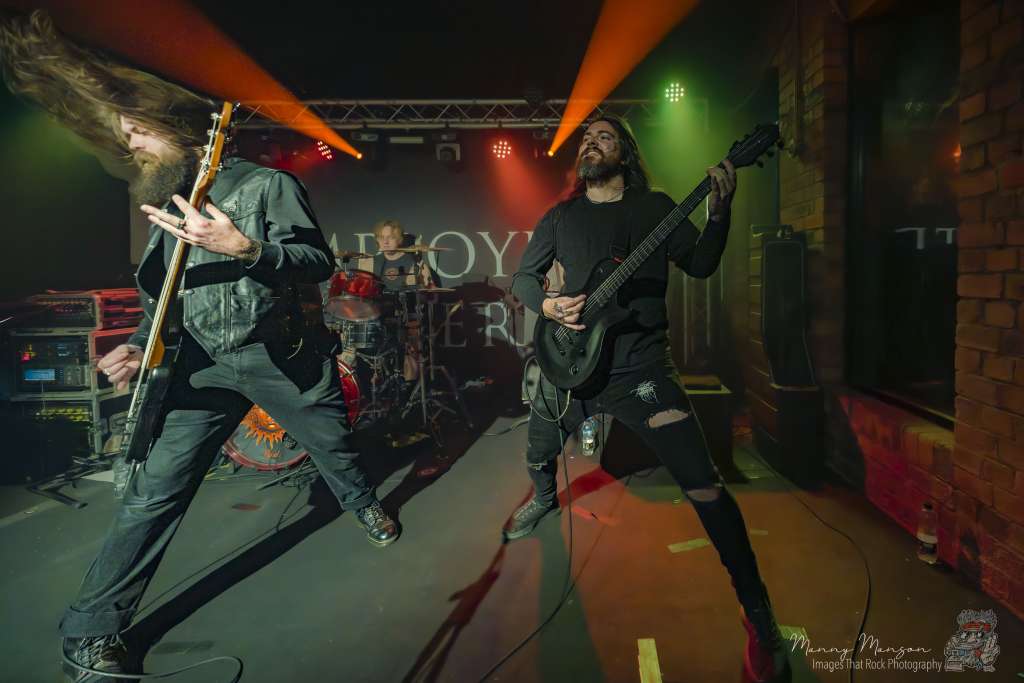
“Breaks Me Down” (Fallen Star, 2026) leans into emotional contrast. The quieter sections are more restrained, with space between notes, while the heavier sections arrive with greater impact as a result. The guitars and drums work together to build these shifts rather than smoothing them out, allowing the track to breathe between peaks. The vocal delivery follows suit, becoming more expressive in tone during the transitions. “Now Thy Kingdom Come” (Fallen Star, 2026) builds gradually, relying on repetition and layering to create a sense of escalation. The riff develops over time rather than changing abruptly, and the drums maintain a steady foundation throughout. The crowd responds in kind, building energy as the track progresses rather than reacting to individual moments. “Mark of the Grave” (Conquering, 2021) increases tempo and intensity again, returning to a more raw and immediate sound. The riffing is faster and less layered, with a focus on impact over structure.
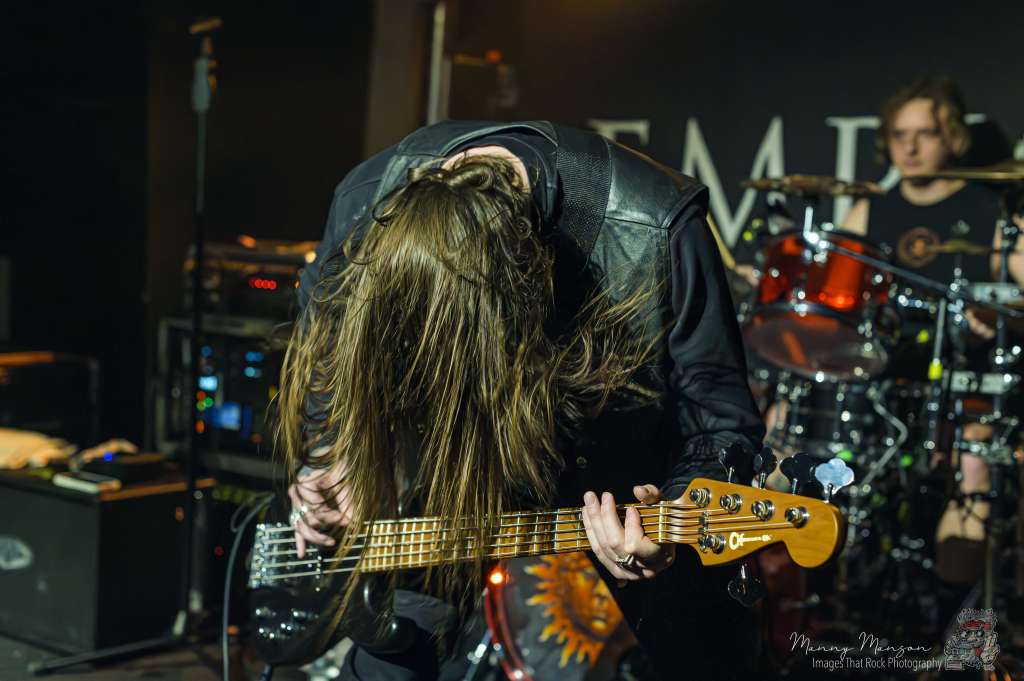
The rhythm section drives the track forward with urgency, and the crowd responds with increased movement. “Whose Side Are You On?” (Fallen Star, 2026) becomes one of the defining moments of the set when Rachel Aspe joins Justine Jones on stage. The two vocalists bring contrasting styles into the same framework, Rachel’s harsher, more guttural delivery sitting against Justine’s more structured projection. The interplay adds texture rather than volume alone, with each voice occupying its own space within the track. In the confined downstairs room, the effect is immediate and clear, with the crowd reacting as much to the moment itself as to the music. “From This Day Forward” (Fallen Star, 2026) closes the set with forward motion rather than spectacle. The riff drives consistently, the drums maintain a steady pulse, and the vocals sit firmly within the structure. There’s no extended outro or drawn-out ending, just a clean conclusion that matches the band’s overall approach: controlled, direct, and purposeful.
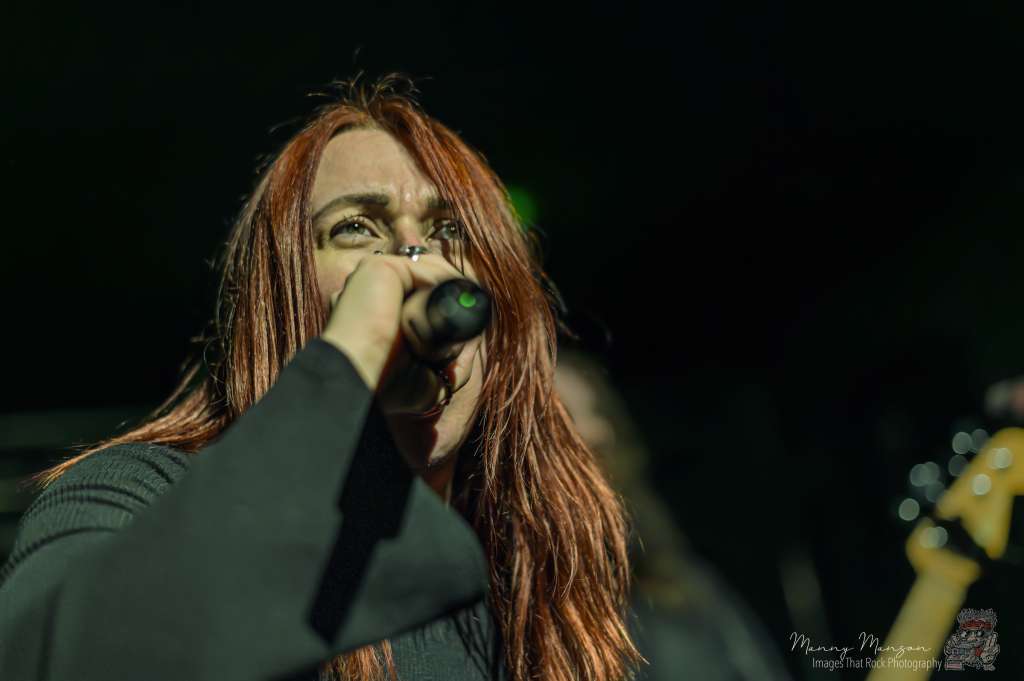
By the time the last notes have cleared and people start drifting out into the street, via the merch table, the night feels less like three separate sets and more like a single, continuous progression of UK heavy music in all it’s different forms.
Tooth & Dagger opened the evening with directness and intent. Their stripped-back approach didn’t rely on complexity or extended arrangement; instead, it was about immediacy, tight riffs, and a raw delivery that established the tone without overreaching. They functioned as the ignition point — short, focused, and effective, getting bodies moving early and setting the expectation that the night would be physical rather than passive.
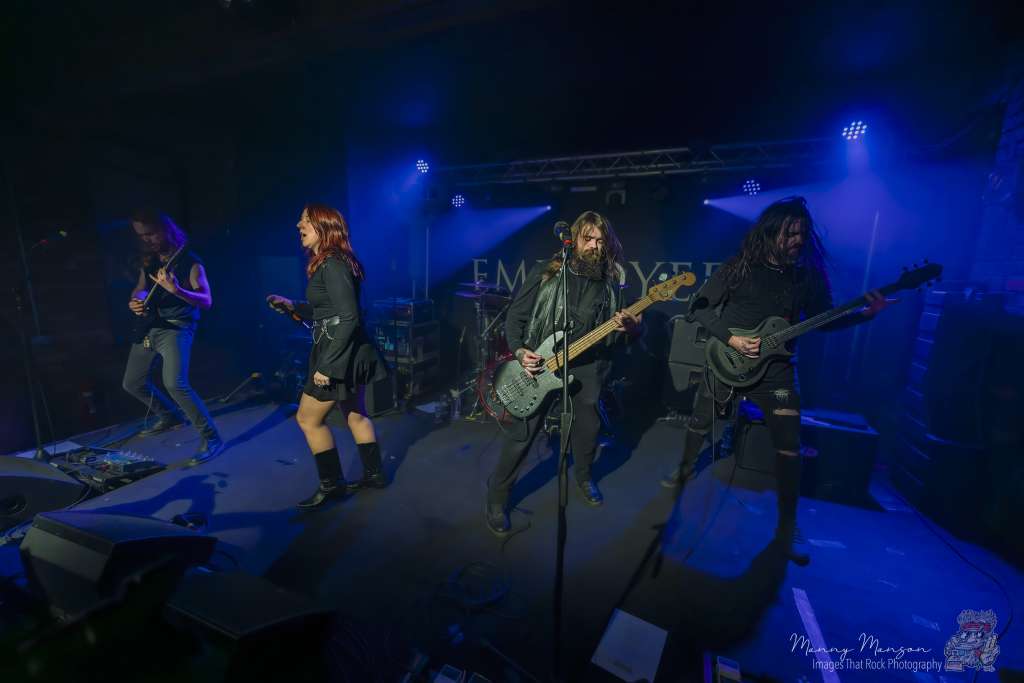
Cage Fight then escalated that energy into something more confrontational and visceral. Their set leaned heavily on momentum and crowd interaction, with Rachel Aspe operating as both frontperson and focal point within the room rather than above it. The inclusion of moments like “Pig” with Justine Jones and the circle pit immersion during “Hope Castrated” blurred the line between stage and floor, reinforcing Cage Fight’s emphasis on physical engagement over separation. Their performance carried a sense of controlled aggression — less about technical layering, more about impact and presence.
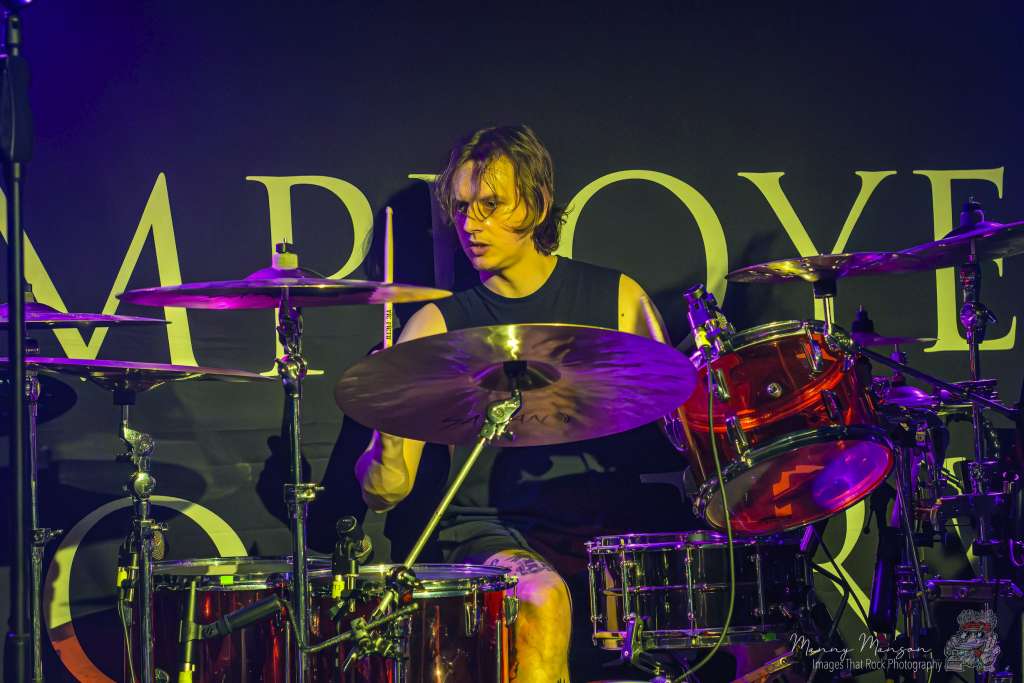
Employed to Serve brought the night into its most structured and dynamically nuanced phase. With Justine Jones and the band’s established lineup, their set demonstrated a broader range of pacing, from tightly wound, rhythmic tracks to more expansive and layered compositions drawn largely from Conquering and Eternal Forward Motion. Their performance had clarity and balance, with each instrument occupying defined space within the mix, particularly in the confined downstairs room where separation still held despite the density of sound. The guest vocal moment on “Whose Side Are You On?” tied the night together, linking both bands not just in collaboration but in shared audience and scene.
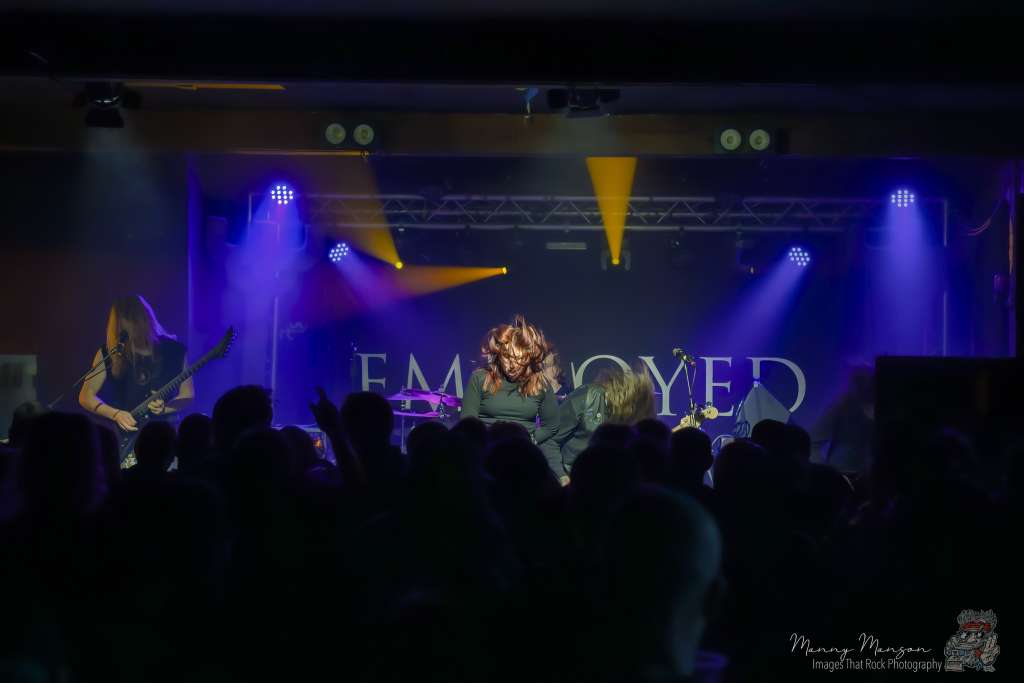
Taken as a whole, the night worked because each band occupied a distinct position on the same spectrum. Tooth & Dagger provided the raw entry point, Cage Fight delivered the physical, confrontational middle, and Employed To Serve rounded things out with control, depth, and structure. The venue’s smaller, more intimate downstairs setting amplified that progression, keeping everything contained, immediate, and close enough to feel rather than simply hear. No overstatement, no theatrical separation, just three bands, one room, and a crowd that moved with each shift in intensity from start to finish. Live music strikes again.